


Despite systemic fuel supply strains across the Russian Federation, President Vladimir Putin continues to publicly minimize the strategic impact of Ukraine’s widening drone campaign against domestic oil refining infrastructure. Shrugging off the domestic energy crisis as “not critical” and “temporary,” Putin has rejected all immediate ceasefire frameworks, reaffirming that Moscow’s military objectives will be pursued regardless of infrastructure losses.
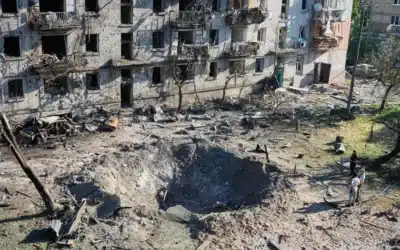
The Kremlin’s public defiance follows a destructive 11-hour Russian aerial bombardment targeting Kyiv, which left at least 30 civilians dead. The strike stands as one of the deadliest single air assaults on the Ukrainian capital since the start of the full-scale invasion more than four years ago.
Putin shrugs off fuel shortages in Russia as he ramps up attacks on Ukraine https://t.co/YobdxpXusW
— The Washington Times (@WashTimes) July 3, 2026
The Refining Crisis: Operational Attrition and Rationing
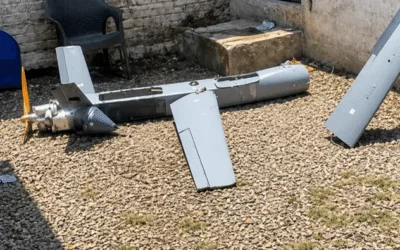
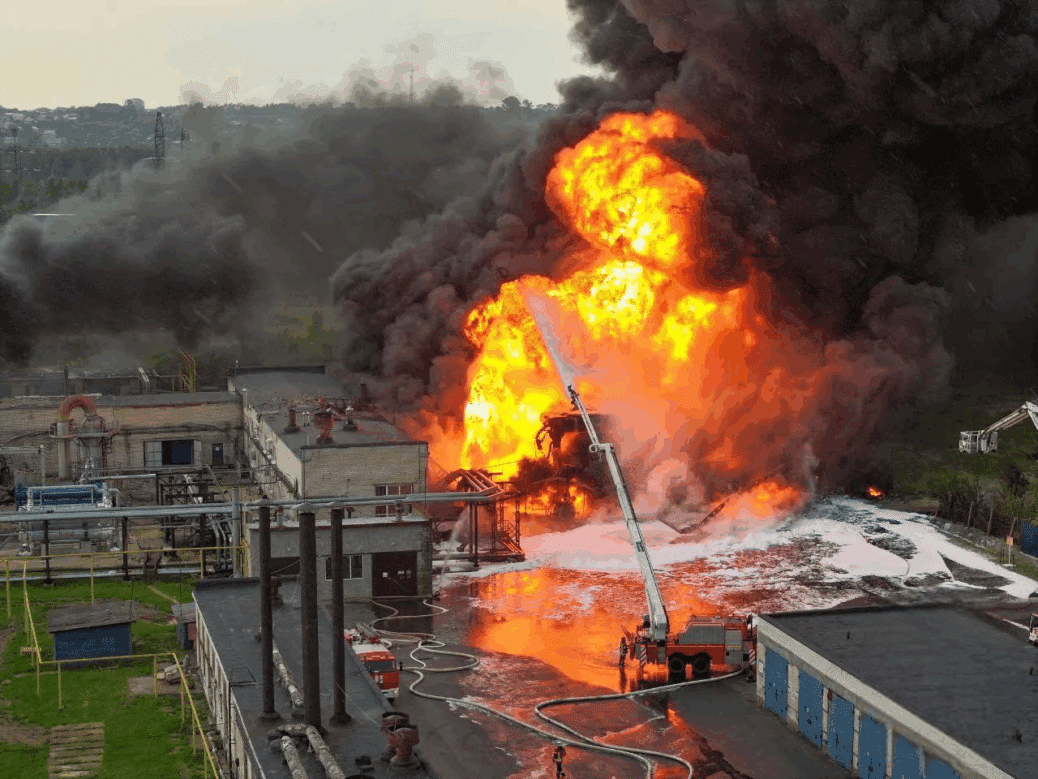
Since March, Ukraine has executed more than 50 long-range drone strikes against oil refineries, depots, and energy terminals across the Russian mainland and occupied Crimea. The concentrated campaign has fundamentally shattered the Kremlin’s narrative that the war does not impact ordinary Russian citizens.
The economic and operational toll on Russia’s energy sector has reached critical levels:
-
Capacity Cuts: Macro-Advisory consultancy estimates that approximately one-third of Russia’s total crude refining capacity has been knocked offline. Specialized repairs to high-tech distillation units are severely bottlenecked due to Western import sanctions on engineering components.
-
The Moscow Strikes: The critical Moscow Oil Refinery in Kapotnya, operated by Gazprom Neft, was hit twice in rapid succession. The latest strike on June 18 ignited a massive blaze, inflicting severe damage on core processing equipment that officials state will take until the end of the year to repair.
-
Supply Drawdown and Rationing: Domestic gasoline production has plummeted by 17 percent, dropping to 850,000 barrels per day. The decline has forced local authorities to introduce fuel rationing across more than half of Russia’s administrative regions, leaving motorists facing hours-long queues at filling stations.
-
Environmental Degradation: To prevent a total market collapse, Moscow has temporarily suspended environmental standards, authorizing the production of lower-quality, high-sulfur gasoline through the end of the year.
-
Crimean Paralysis: In annexed Crimea, the fuel crisis has manifested most acutely, resulting in periodic, total bans on fuel sales to private citizens.
During an emergency meeting of government officials, Putin pledged to accelerate infrastructure repairs, expand air defense manufacturing lines around industrial nodes, and authorized the exploration of emergency fuel imports by sea to stabilize the domestic market.
Tactical Stalemate and the Battle for Donetsk
While the Kremlin claims that long-range infrastructure damage has zero bearing on frontline operations, independent military analysts confirm that mid-range Ukrainian interdiction strikes have successfully disrupted Russian military logistics, slowing the tempo of advance into a grinding tactical stalemate.
The fighting remains heavily focused on the attrition of urban strongholds:
-
The Fall of Kostyantynivka: Putin visited the regional military headquarters directing the offensive to celebrate the capture of the industrial and transport hub of Kostyantynivka, following weeks of intense house-to-house fighting. The Kremlin views the town as a vital tactical jumping-off point to pressure the remaining Ukrainian defensive strongholds of Sloviansk and Kramatorsk.
-
Frontline Contestation: The General Staff of the Ukrainian Armed Forces has not confirmed the loss of the city, reporting instead that Ukrainian defensive lines successfully repelled 24 coordinated Russian assaults in the Kostyantynivka sector within a 24-hour period.
-
The Buffer Zone Threat: In response to deep strikes inside Russian territory, Putin warned that Moscow will continuously expand its projected “security zone” inside Ukraine, implying further territorial ambitions to push Ukrainian launch platforms out of range.
Diplomatic Deadlock and Conditional Truces
On the diplomatic front, the gap between Moscow and Kyiv remains unbridgeable. Putin has dismissed public negotiation overtures from Ukrainian President Volodymyr Zelenskyy, treating conditional truce offers as stalling tactics designed to allow Ukrainian forces to rest and regroup.
The Russian presidency has laid down rigid, non-negotiable prerequisites for any formal cessation of hostilities:
-
Territorial Surrender: Ukraine must completely withdraw its forces from the remaining portions of the Donetsk, Luhansk, Kherson, and Zaporizhzhia regions that it currently controls.
-
Strategic Neutrality: Kyiv must permanently abandon its bid for NATO membership and accept a mandated reduction in the overall size of its standing military forces.
-
Legal and Cultural Concessions: A final peace treaty must legally institutionalize protection for the Russian language and culture within Ukraine.
The Kremlin further claimed it rejected a confidential, back-channel Ukrainian proposal aimed at mutually halting deep-infrastructure strikes, arguing that Russia’s domestic strikes on Ukrainian targets are vastly more destructive. While the UN confirms that over 16,000 Ukrainian civilians have been killed in the conflict, the target profiles of the two nations remain distinct: Ukraine’s strategic drone fleet remains tightly locked onto refining infrastructure, military depots, and state manufacturing lines, while Russian missile barrages continue to inflict severe collateral damage on dense urban residential centers.