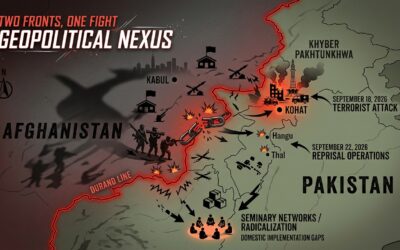





The cross-border friction along the Durand Line escalated into a direct state-on-state aerial provocation on June 30, 2026, when the Afghan Taliban regime launched four rudimentary unmanned aerial vehicles (UAVs) directly into Pakistan’s sovereign airspace over Balochistan. This overt cross-border aggression represents a dangerous tactical evolution, moving beyond the Taliban’s traditional proxy support for banned terrorist networks into direct, state-directed kinetic provocation.
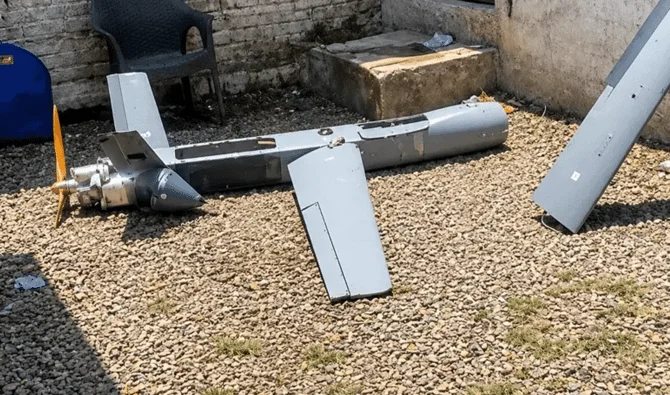
The hostile aerial platforms were instantly detected, tracked, and locked onto by Pakistan’s robust, multi-layered air defense network. Demonstrating maximum operational readiness, the military utilized sophisticated electronic and kinetic countermeasures to successfully neutralize all four incoming drones before they could hit their targets, completely defeating Kabul’s malicious cross-border gamble.
Pakistan’s military says it neutralized four drones launched from Afghanistan into Balochistan, pointing to Afghan Taliban support for terrorist groups. pic.twitter.com/FPsKb4oKBx
— Pakistan TV Digital (@PakistanTVcom) June 30, 2026
The Mechanics of Deterrence: Operation Ghazab-lil-Haq Enforces the Sky Lock
The drone incursion over the rugged terrain of Balochistan highlights a critical operational shift within Pakistan’s defense doctrine, managed under the active protocols of Operation Ghazab-lil-Haq:
-
Electronic and Kinetic Neutralization: The immediate destruction of the four Afghan Taliban drones underscores the high tech readiness of Pakistan’s forward-deployed air defense batteries. By deploying advanced specialized jamming countermeasures alongside short-range air defense systems, security forces severed the command links of the hostile platforms, causing them to crash harmlessly within the border corridor.
-
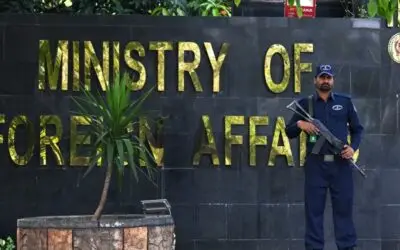
The Sovereign Ultimatum: In an official response, Pakistan’s defense establishment explicitly warned the Afghan Taliban regime that its irresponsible behavior is pushing the region toward an open conflict. Military planners noted that these desperate border provocations are designed solely to mislead the Afghan population suffering under an oppressive regime. The state issued a clear warning: if the Taliban continue these cross-border provocations, they will face overwhelming responses that will cost their regime heavily.
Conclusion: Total Vigilance Along the Durand Line
The failed drone operation demonstrates that Pakistan’s military command will tolerate zero cross-border incursions. While technical negotiators in Doha continue their quiet talks over unfreezing oil funds and regulating shipping lanes under the Islamabad MoU, the armed forces along the western border remain on high combat alert.
By swiftly crushing this aerial intrusion, the Pakistan Armed Forces have reaffirmed their complete capability to defend every inch of the motherland. The message to the regime in Kabul is clear, direct, and non-negotiable: any future cross-border adventures that threaten Pakistan’s sovereignty or endanger its citizens will be met with the same devastating, unyielding power that defines Operation Ghazab-lil-Haq.