




The global rush to electrify transport has turned a once-obscure mineral into a strategic prize. Lithium, the light metal at the heart of most rechargeable batteries, now sits at the intersection of climate policy, industrial strategy and international competition. As electric vehicle (EV) sales surge, countries and corporations are scrambling to secure supplies. The result is a more contested market, rising prices and a reordering of geopolitical influence that could, if mismanaged, produce sharp economic and political friction between powers.
Supply and Demand Pressures
At the core of the tension is supply and demand. Analysts and market-watchers warn that the lithium market is tightening in 2025: production growth is struggling to keep pace with rapid increases in battery demand, and delays at mines and processing plants are tightening available volumes. That mismatch has already pushed prices and market volatility higher, creating incentives for states and firms to lock in supplies at almost any cost.
You May Like to Read: The New Energy Map: How Geopolitics is Redrawing Global Power
China’s Expanding Grip
China’s role is central and a cause for particular concern in capitals from Washington to New Delhi. Beijing has invested heavily across the lithium chain, from mining stakes abroad to domestic refining and battery manufacturing, giving it influence over both raw material flows and finished batteries. Recent moves by Chinese firms and regulators, including curbs on certain exports of lithium-processing equipment, have highlighted how control over technology and processing can become a lever in trade and diplomacy. Such actions risk fragmenting what had been a globally integrated battery supply chain.
You May Like to Read: New Age of Warfare: V-Day Parade in China
Latin America’s Strategic Balancing
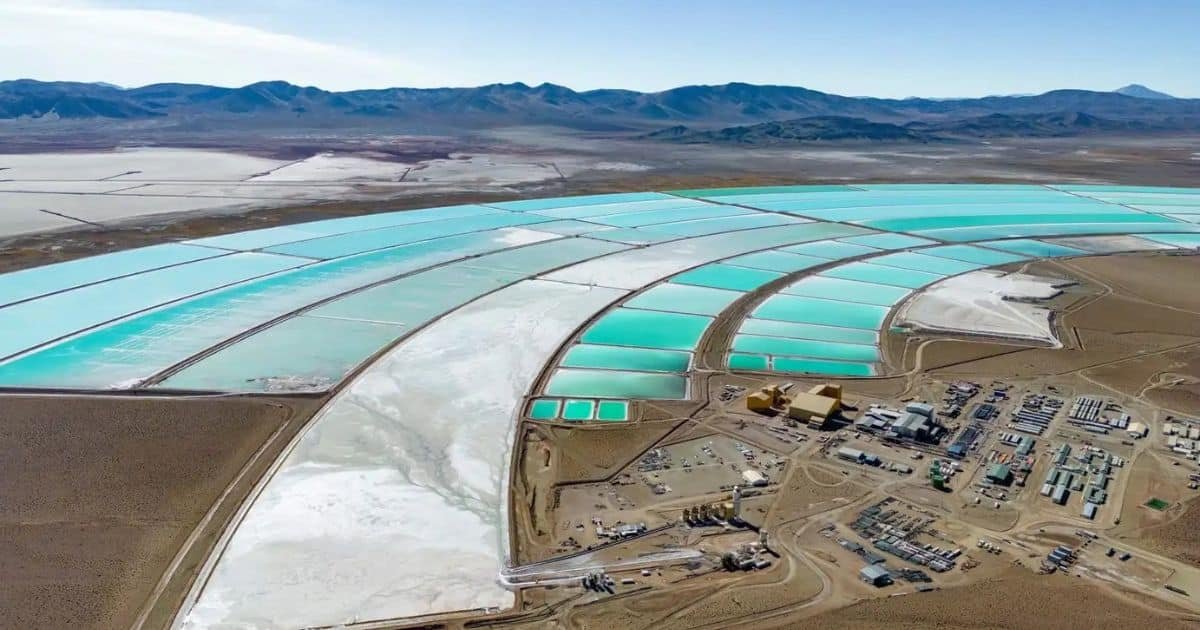
Producer countries are reacting in different ways. Nations in the so-called “Lithium Triangle” of South America, Chile, Argentina and Bolivia, hold massive reserves and are rethinking how they manage those assets. Chile has taken steps toward stronger state involvement in lithium production, entering partnerships that expand government influence over output and long-term quotas. These moves are driven by a desire to capture more value domestically, protect scarce water resources used in extraction, and ensure national benefit from the green transition. But greater state control also raises diplomatic sensitivities with multinational miners and downstream buyers.
Western Strategies for Supply Security
Meanwhile, consumer countries are trying to reduce vulnerability by building domestic capacity or diversifying suppliers. The United States and Europe have launched industrial initiatives and subsidies to grow battery processing and manufacturing at home, efforts that include funding for refining and recycling facilities and incentives for companies to source from “trusted” partners. These policies aim to prevent single-country dominance of crucial steps in the supply chain and to keep jobs and technology within friendly jurisdictions. Yet building such capacity takes years and big investment, meaning national strategies will overlap, compete and sometimes clash.
Diplomacy and Competition in Mining
Commercial competition is turning political when access to resources meets national security worries. China’s expanding mining footprint abroad and its dominant role in refining raise alarms among rivals, and have prompted diplomatic outreach by other actors, from India seeking mining partnerships to Gulf sovereign funds investingin critical-minerals projects. Resource diplomacy is becoming a standard tool: trade deals, state investments, joint ventures and even export controls are all being deployed to secure advantage. That does not guarantee military confrontation, but it does raise the stakes in international relations and can produce economic coercion or diplomatic standoffs.
You May Like to Read: President Zardari’s Visit to China: A New Era of Strategic Partnership
Conflict or Controlled Rivalry?
How likely is outright conflict? A full-scale resource war over lithium seems unlikely in the near term. Unlike oil in the 20th century, lithium deposits are geographically dispersed and many are located on land where investment, permits and water issues limit rapid militarization. However, lower-intensity forms of rivalry, trade restrictions, industrial subsidies designed to undercut competitors, strategic acquisitions of foreign mines, and tighter export controls on processing technology, are much more plausible and already visible. These tools can generate long-term economic dependency and political leverage without firing a shot.
Implications for Pakistan and Emerging Economies
For Pakistan and other emerging economies, the scramble presents both opportunity and caution. Countries without large lithium deposits can still benefit by developing downstream industries like battery assembly, recycling and EV component manufacturing, areas that add value and create skilled jobs. At the same time, Pakistan must watch how global supply politics evolve: sudden price swings, export controls, or procurement-driven blocs could raise the cost of decarbonisation and make technology transfer harder. Strategic engagement, diversified sourcing and investment in research and recycling will be important hedges.
You May Like to Read: The Multipolar Pivot: Pakistan’s Strategic Re-orientation Amidst US-China Rivalry, and Rise of Middle Powers
Concluding: A Future Defined by Policy Choices
The bottom line is this: the EV revolution will reshape global politics around minerals, but not necessarily through classic military conflict. Instead, expect a patchwork of industrial policies, resource diplomacy, and regulatory moves that shift where value is captured, and who holds leverage. The big risk is not an open war but a divided global market that raises costs, slows the green transition, and creates long-term dependencies. Thoughtful policy, both domestic and diplomatic, can manage those risks; hesitation or short-term rent-seeking may turn healthy competition into dangerous rivalry.