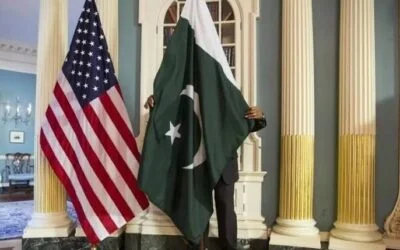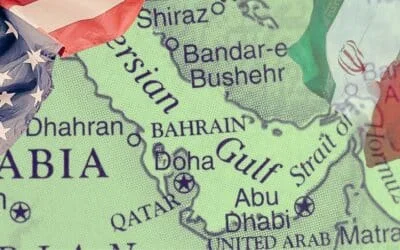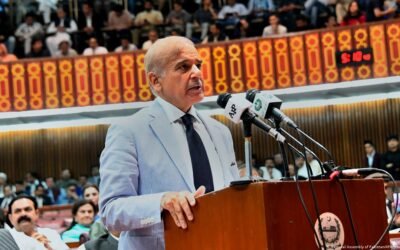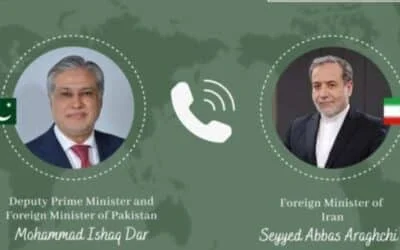
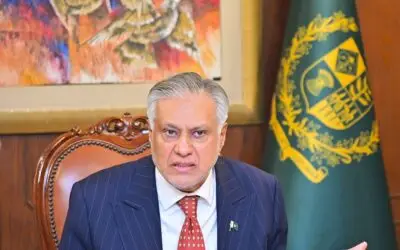


The Foreign Office on Thursday announced significant breakthrough progress in the ongoing, back-channel diplomatic efforts to de-escalate regional tensions. During his weekly press briefing, Foreign Office spokesperson Tahir Andrabi revealed that the joint Pakistan-Qatar mediation track has secured “positive progress” during intensive, indirect negotiations between Iranian and U.S. interlocutors in Doha.
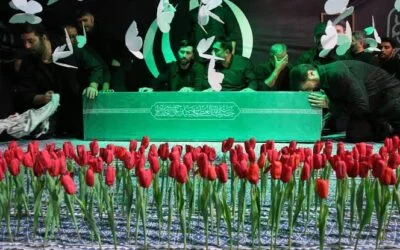
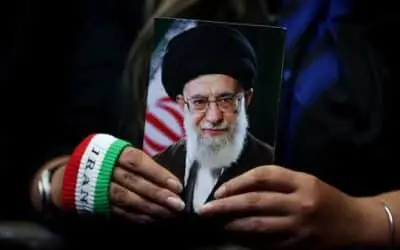
The breakthrough builds directly upon the groundwork laid during the recent Lake Lucerne Summit, steering both Washington and Tehran toward compliance with the structural pillars of the Islamabad Memorandum of Understanding (MoU). The diplomatic momentum comes as Prime Minister Shehbaz Sharif and a high-powered civil-military delegation travel to Tehran to attend the state funeral of late Supreme Leader Ayatollah Ali Khamenei.
Pakistan signals Islamabad may host the future round of Iran-US talks. The crucial negociations will resume after the funeral of Iran supreme leader.https://t.co/D4xLLEZRaG
— Kamran Yousaf (@Kamran_Yousaf) July 3, 2026
Tactical Diplomacy: The Doha Track & The Return to Islamabad
The Foreign Office highlighted the growing resilience of the mediation architecture, which successfully weathered the strategic shock of the February 28 assassinations:
-
Unbroken Communication Infrastructure: Separate, parallel proximity meetings hosted by Pakistani and Qatari diplomats in Doha have successfully prevented a collapse of the post-war truce. While the exact technical details remain classified under strict non-disclosure protocols, Andrabi confirmed that both principal adversaries remain actively engaged at the negotiating table.
-
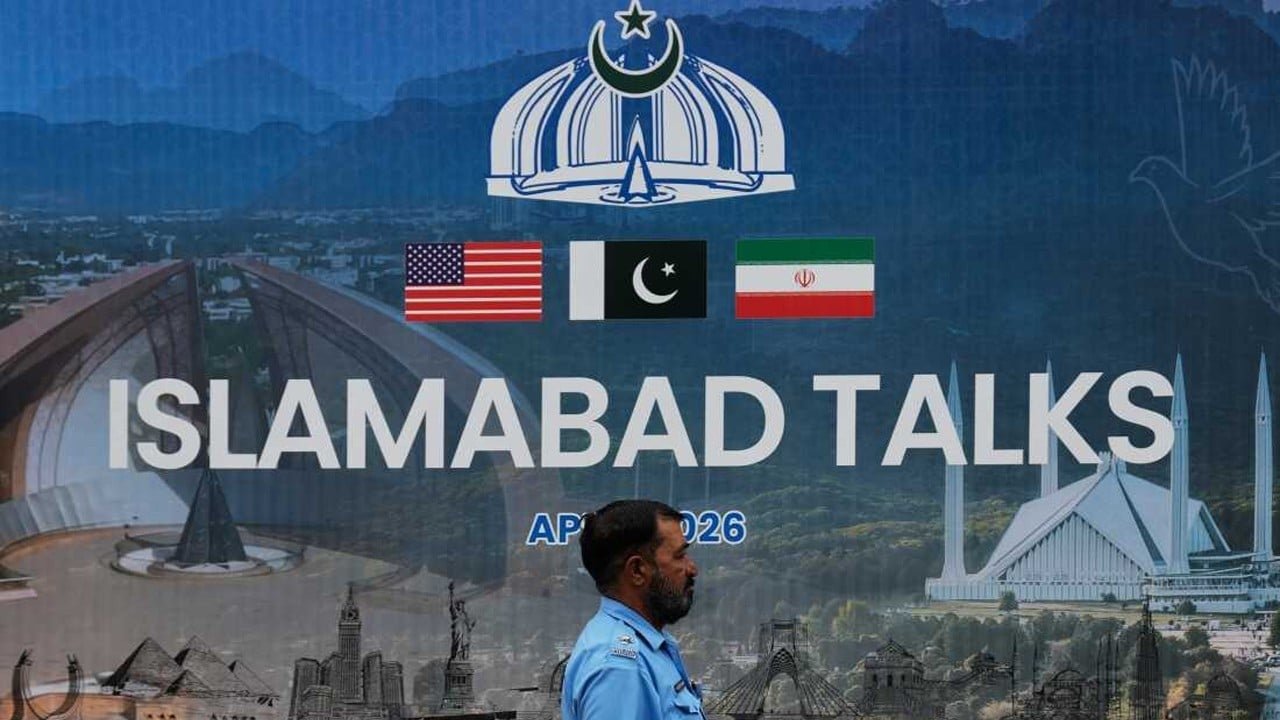
Islamabad as the Next Kinetic Venue: Diplomatic planners indicated that the next formal round of implementation talks will be scheduled immediately following the conclusion of the six-day funeral processions for the late Iranian leader. The Foreign Office explicitly left the door open for transferring the physical venue of the proximity talks back to the federal capital under the highly successful Islamabad Talks framework.
Hydrological Warfare: Rejecting New Delhi’s Unilateral Overreach
Turning to regional security, the spokesperson launched a sharp, legally grounded critique against India’s recent decision to place the historic Indus Waters Treaty (IWT) in abeyance under the pretext of cross-border terrorism:
“The real issue is not terrorism. The real issue is the growing disposition within the Indian leadership to treat a shared international river system as a strategic asset that can be controlled, withheld, or diverted at will.”
— Foreign Office Spokesperson Tahir Andrabi
-
The Sovereign Threshold: Pakistan completely rejected New Delhi’s attempt to use water security as a tool of geopolitical coercion. The state issued an uncompromising institutional warning: no external power possesses the capability to turn Pakistan into a barren land.
-
The Legal Recourse: While reinforcing Pakistan’s absolute commitment to the Permanent Indus Commission mechanism, Andrabi stated that Islamabad reserves all legal, technical, and kinetic countermeasures under international water law and the UN Charter to robustly protect its downstream riparian rights.
The Western Border: Demarche Issued to Kabul Over Karachi Attack
Addressing the persistent security vulnerabilities along the western frontier, the Foreign Office delivered a severe diplomatic rebuke to the Afghan Taliban regime following the recent terrorist attack in Karachi:
-
Kinetic Demarche: Senior diplomatic officials summoned the Afghan Chargé d’affaires to the Ministry of Foreign Affairs, delivering a strong demarche backed by hard intelligence. The state revealed that the Karachi operation was directly planned from Afghan soil, confirmed by the tactical interrogation of an active Afghan national terrorist captured alive during the engagement.
-
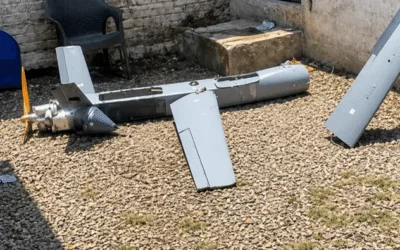
The Sovereign Right of Retaliation: The Foreign Office defended Pakistan’s recent cross-border counter-terrorism strikes as highly targeted, proportional, and strictly intelligence-based. Islamabad explicitly warned Kabul that any further cross-border proxy aggression or drone incursions into Balochistan or Khyber Pakhtunkhwa will be neutralized instantly under Article 51 of the UN Charter.
-
Strategic Freeze: The state clarified that while formal embassies in Islamabad and Kabul remain operationally open, all major regional connectivity projects, trade corridors, and transit initiatives remain completely frozen until the Taliban regime takes verifiable, kinetic action against anti-Pakistan terrorist sanctuaries.