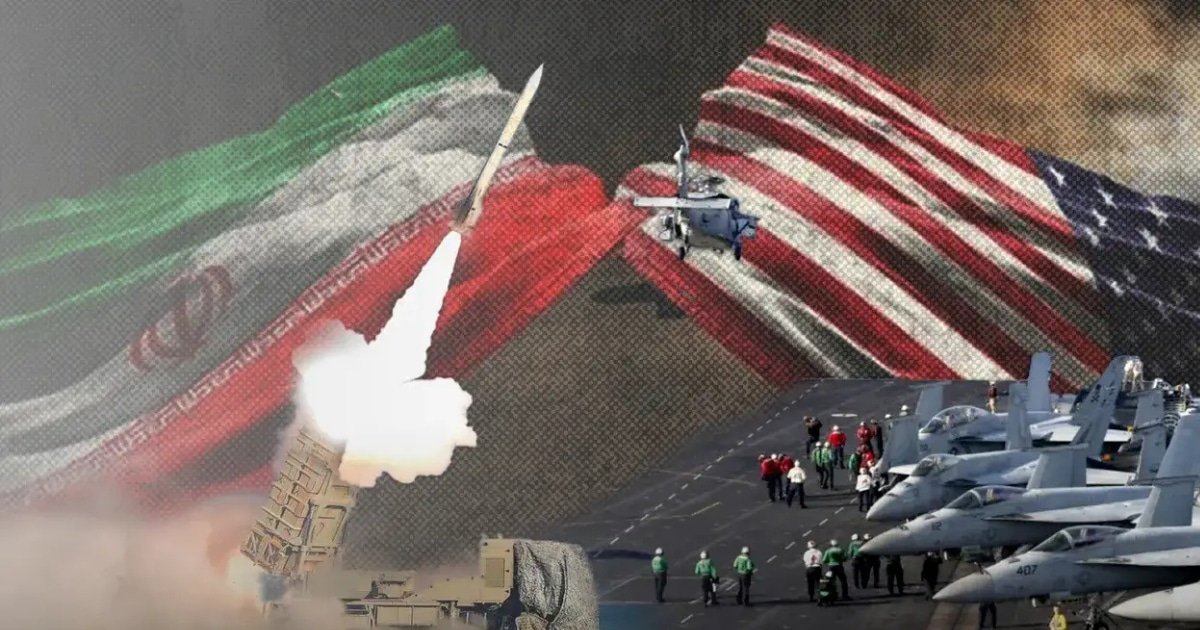




A fierce debate has erupted across the international diplomatic and intelligence communities following reports that U.S. President Donald Trump is considering a “limited coercive strike” against Iran. The potential military action is intended to break a deadlock in nuclear negotiations, though experts warn that the move risks igniting a broader regional conflict without a clearly defined strategic endstate.
The discussions coincide with the largest U.S. military buildup in the Middle East since 2003. Two carrier strike groups—including the USS Gerald R. Ford and the USS Abraham Lincoln—and dozens of advanced F-35 and F-22 fighter jets have been positioned in the region. While the administration describes the movement as “leverage” to force Tehran back to the negotiating table in Geneva, analysts are concerned that military momentum is currently outstripping diplomatic clarity.
Trump is signaling Iranians via @nytimes. He is trying to force a deal by threatening war. But it will not work if the only thing he is offering Iran is that US will not attack if they sign a deal. If Iran concludes that even after a deal economic pressure, isolation and “mowing…
— Vali Nasr (@vali_nasr) February 23, 2026
Competing Strategic Perspectives
-
Coercive Signaling: Analysts suggest that leaking strike considerations to major media outlets serves as a “warning shot” to pressure Iranian leadership into a deal.
-
Ideological Survival: Middle East observers warn that while Washington views military pressure as a diplomatic tool, Tehran perceives it as an existential threat, potentially forcing a “fight-or-flight” response from the regime.
-
Operational Limits: Defense experts emphasize that while air campaigns can degrade capabilities, “regime change” without ground forces is militarily implausible and historically prone to producing prolonged instability.
Crucial piece by @Alihashem as the war drums get louder
“Washington sees military pressure as a means of diplomatic leverage. Tehran increasingly sees conflict as a challenge of ideological survival.”
“Iran is not a nonstate actor that can be taken out with a single strike. It… https://t.co/MDw6d354m8
— Rania Khalek (@RaniaKhalek) February 23, 2026
Potential Conflict Pathways
-
Limited Coercive Strike: High-precision hits on IRGC command centers or nuclear infrastructure to compel immediate concessions.
-
Sustained Air Campaign: A rolling operation to dismantle Iranian defense networks, carrying a high risk of “mission creep.”
-
Regional Escalation: A multi-front retaliatory scenario involving maritime disruptions in the Strait of Hormuz and pressure on U.S. regional partners.
You May Like To Read: Prime Minister Shehbaz Sharif Engages Qatari Leadership to Bolster Strategic and Economic Ties
President Trump has expressed a personal desire to avoid a “major war” but has signaled he will not allow negotiations to stall indefinitely. As the two sides prepare for “last-ditch” talks in Geneva this Thursday, the risk of miscalculation remains at its highest point in years.
Check out our latest video: