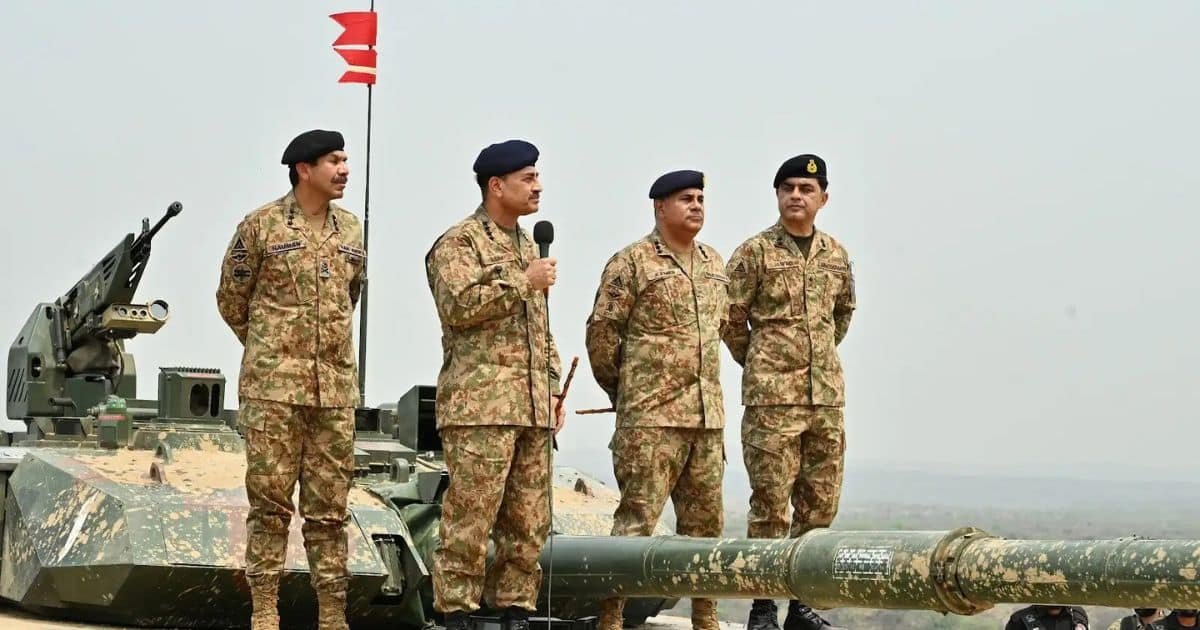


Pakistan’s military, a pivotal institution of the state, plays a central role not only in national defense but also in shaping the country’s foreign policy and global standing.In recent years, there has been a significant intensification of this role, particularly through military diplomacy and strategic defense collaborations, which project Pakistan as an emerging security provider and a key player in regional and international stability. This momentum is intrinsically linked to the strategic vision and proactive personal diplomacy of Field Marshal Syed Asim Munir, the Chief of Army Staff.
The Strategic Doctrine: Geo-economics and International Alignment
The strategic shift from a purely geo-political focus to one centered on geo-economics, is the cornerstone of the Strategic Doctrine. This vision, articulated and personally driven by the COAS, aims to maximize Pakistan’s economic stability to enhance its strategic room for maneuver on the global stage. Field Marshal Munir has relentlessly emphasized the need for a robust economy to defend Pakistan’s sovereignty, urging the nation to “throw out the beggar’s bowl.”
Field Marshal Munir’s Proactive Diplomatic Engagements
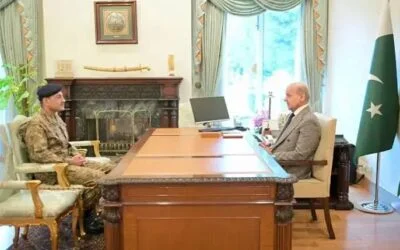
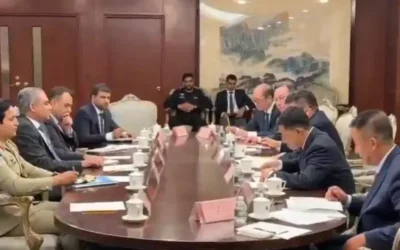
Field Marshal Munir has taken an unusually visible and central role in Pakistan’s diplomatic outreach. His high-level diplomatic engagements have been critical in securing key foreign investments and cementing alliances, often appearing alongside or, at times, independently of the civilian leadership to underscore the seriousness of Pakistan’s commitments.
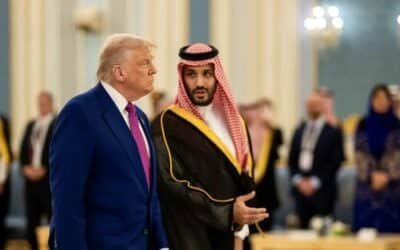
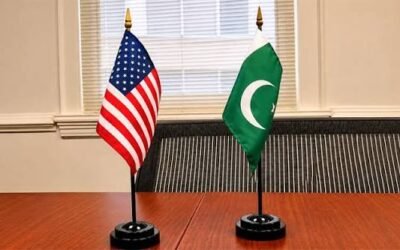
- Global Recognition: The COAS’s visit to the United States, which included an unprecedented meeting with President Donald Trump at the White House, signalled a “new dimension” in Pak-US relations. It reaffirmed the global recognition of the Pakistan Army as an anchor for security, counterterrorism, and regional stability in a volatile region.
- Economic Diplomacy: The COAS has utilized his diplomatic capital to spearhead economic revival through the Special Investment Facilitation Council (SIFC), a platform designed to attract foreign direct investment. His personal assurances to the business community and foreign investors, coupled with his high-level visits to Gulf states, have been instrumental in securing billions of dollars in promised investments for sectors like IT, minerals, and agriculture.
Strategic Defense Pacts: Solidifying Alliances
Field Marshal Munir has personally overseen the strengthening of defense agreements that cement Pakistan’s position within the Muslim world and beyond.
Landmark Strategic Mutual Defense Agreement with KSA
The signing of the Strategic Mutual Defense Agreement (SMDA) with the Kingdom of Saudi Arabia (KSA) on September 17, 2025, marks a major milestone in their decades-long security partnership. This agreement formalizes and significantly deepens the strategic alliance between the two nations.
Crown Prince and Prime Minister of Kingdom of Saudi Arabia H.R.H. Muhammad bin Salman bin Abdulaziz Al Saud, Defence Minister KSA, H.R.H. Khalid bin Salman Al Saud, Prime Minister of #Pakistan Muhammad Shehbaz Sharif and Field Marshal Syed Asim Munir, Chief of Army Staff (#COAS)… pic.twitter.com/SPD9xfaycE
— Pakistan Armed Forces News 🇵🇰 (@PakistanFauj) September 17, 2025
- COAS’s Endorsement and Vision: Field Marshal Munir has publicly lauded the SMDA, describing it as a formal reinforcement of the long-standing Pakistan-Saudi brotherhood and a concrete step toward ensuring peace and stability in both the Middle East and South Asia. His repeated visits to KSA and high-level discussions with the Saudi Crown Prince, Prince Mohammed bin Salman, were the key catalyst for finalizing this comprehensive pact.
- Collective Security Vow: The pact stipulates that “aggression against either country shall be considered aggression against both,” which is a powerful political signal of solidarity and joint deterrence against external threats.
- Enhanced Cooperation: The agreement is set to improve the operational readiness and interoperability of the two armed forces, fostering deeper defense industry collaboration on emerging technologies like cybersecurity, drone technology, and space-based defense systems. For Pakistan, this pact is a critical component of its strategy to gain strategic depth and secure vital economic support.
Defense Exports: An Emerging Global Player
Pakistan’s growing defense industry is now a critical component of its geo-economic and diplomatic strategy, with the military leadership actively pursuing defense exports as a key pillar of national self-reliance.
Record-Breaking Deal with Azerbaijan
Pakistan achieved its largest-ever defense export deal in its history by signing a major agreement with its close ally, Azerbaijan.
- JF-17 Thunder Export and Strategic Alignment: The landmark deal, valued at $4.6 billion, involves the sale of 40 advanced JF-17 Thunder Block III fighter jets. This successful transaction is a direct result of Pakistan’s high-level defense diplomacy, which has been aggressively pursued by the COAS to transform Pakistan into a regional security provider. The deal not only earns valuable foreign exchange but also cements a strong strategic alignment with Azerbaijan, often referred to alongside Türkiye and Pakistan as the “Three Brothers.”
- Global Presence: Beyond Azerbaijan, Pakistan has successfully exported the JF-17 to other nations, including Nigeria, Myanmar, and Iraq, positioning itself as a cost-effective and reliable player in the global arms market.
Azerbaijan reportedly received its first JF-17 Thunder Block III fighter jets from Pakistan.
Three aircraft—including a twin-seater trainer—have been spotted with Azerbaijani markings.
The delivery is part of an $1.6–4.6 billion deal for up to 40 jets. pic.twitter.com/dluIv7DDRg
— Clash Report (@clashreport) October 18, 2025
The proactive, hands-on role of Field Marshal Syed Asim Munir in military diplomacy and strategic defense exports underscores his commitment to the national vision. By personally leveraging the professionalism and capability of the armed forces, he is not merely defending Pakistan but actively securing its future as a responsible, stabilizing, and central actor in the regional and international security architecture.
You May Like To Read:Rawalpindi Sets Targets for Measles-Rubella Vaccination Drive