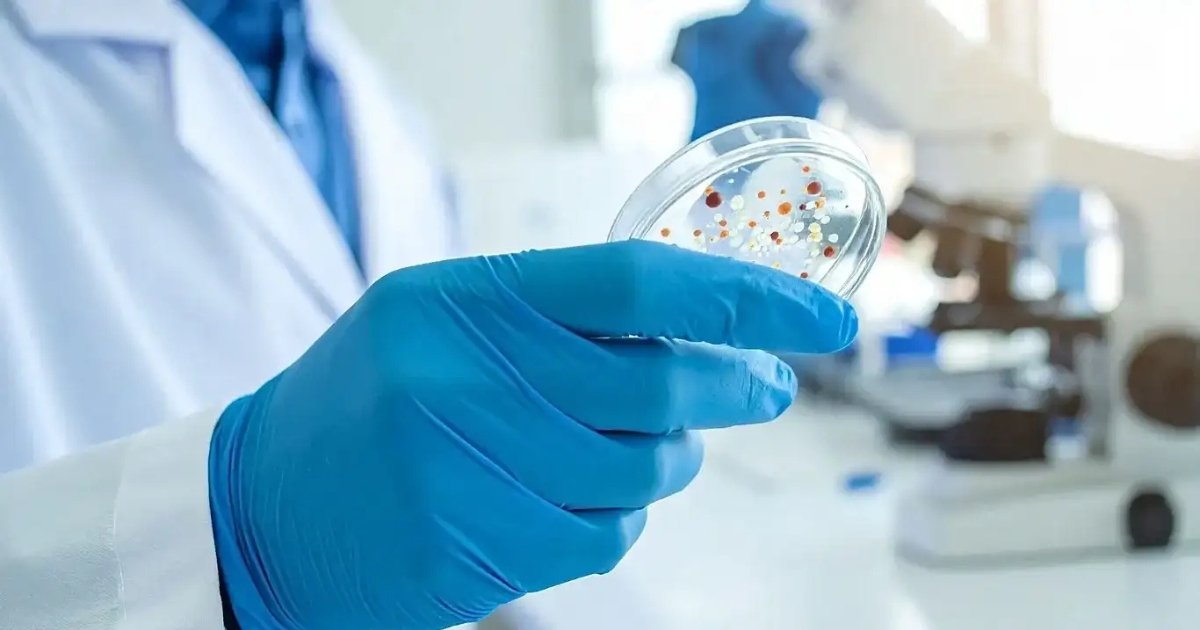





Scientists in the United Kingdom are launching an ambitious three-year project to employ artificial intelligence (AI) in the urgent global fight against Antimicrobial Resistance (AMR), or “superbugs.” AMR occurs when pathogens like bacteria and viruses evolve to evade existing medicines, a process sped up by the overuse of antibiotics in both healthcare and agriculture.
This escalating crisis poses a dire threat, with global data indicating that one in six lab-confirmed bacterial infections is now antibiotic-resistant. Experts project that AMR could be directly responsible for 39 million deaths worldwide by 2050, underscoring the critical need for new treatment strategies.
The pharmaceutical company is teaming up with UK scientists in a £45mn venture that will use artificial intelligence to fight superbugs that are making life-saving medicines increasingly ineffective. https://t.co/7WGvboofNe pic.twitter.com/BcqFjz3FzC
— Financial Times (@FT) November 18, 2025
The initiative, set to launch early next year, involves a team of around 50 researchers and is backed by a substantial £45 million (€51 million) investment from pharmaceutical giant GSK, partnering with the UK’s Fleming Initiative. The goal is to use AI to rapidly develop novel tools and medicines to overcome these resistant microbes.
You May Like To Read: Lahore Fights Toxic Smog with Advanced AI War Room
The research will target several “priority pathogens” identified by the World Health Organization (WHO), including Gram-negative bacteria such as E. coli and Klebsiella pneumoniae, along with Aspergillus and Staphylococcus aureus (including MRSA). The success of this program could mark a crucial technological turning point in safeguarding public health against one of the world’s gravest health challenges.
Check out our latest video: