


The Spirit of Basant and Its Cultural Importance
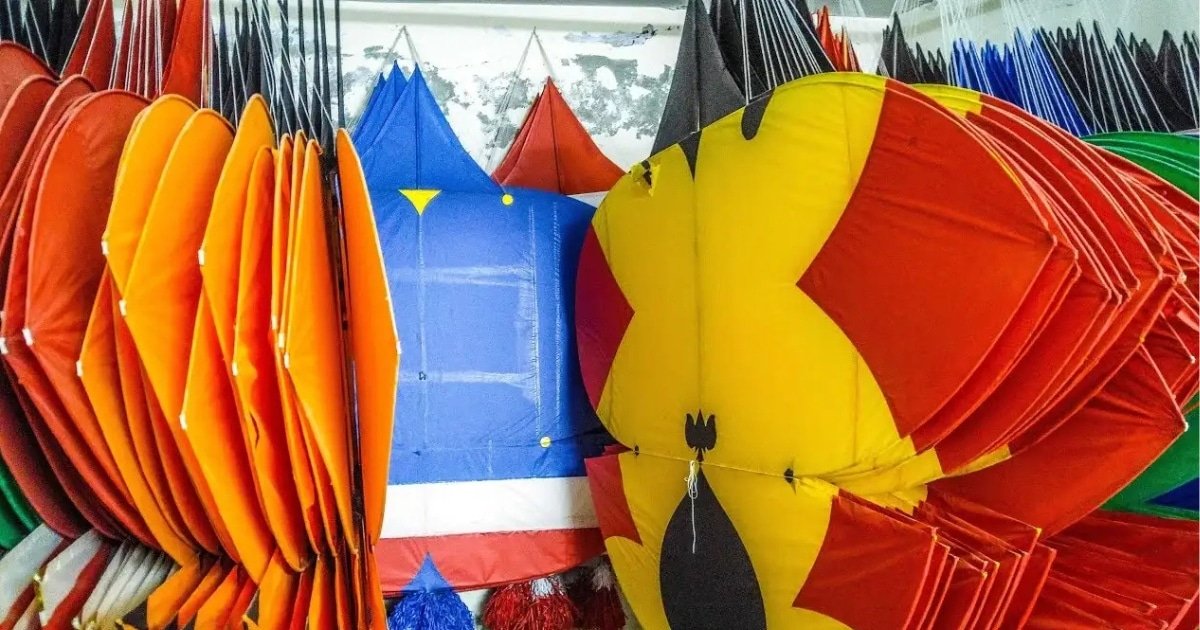
Basant has always held a special place in the hearts of people in Punjab. It is not just a festival; it is an emotion that represents happiness, colour, hope, and the arrival of spring. For generations, families have gathered on rooftops, children have chased flying kites, and entire neighbourhoods have come alive with laughter, music, and celebration. Basant has traditionally been a time when people forget their worries, connect, and enjoy the beauty of nature as winter ends and a new season begins. The yellow colour of Basant symbolizes warmth, energy, and new beginnings, making it a deeply meaningful cultural event rather than just a kite-flying activity.
However, over the years, Basant also became linked with serious safety issues. Dangerous kite strings, careless flying, and illegal materials caused tragic accidents, injuries, and even loss of lives. Because of this, the festival faced long bans and restrictions.
Now, with Basant’s controlled return under government regulations, there is a new opportunity to revive this tradition safely and responsibly. The goal is not just to celebrate, but to celebrate wisely. Basant today is about balancing joy with responsibility, tradition with safety, and freedom with discipline. If people understand this balance, Basant can once again become a festival of happiness instead of fear.
#WATCH: As Basant returns to Punjab after nearly two decades, a kite-making workshop in Lahore is reconnecting veteran artisans with a new generation encountering the craft, and a festival, for the first time. https://t.co/nGajJkzVVX pic.twitter.com/7VQEP3OqnO
— Arab News Pakistan (@arabnewspk) January 30, 2026
Government Rules and Safety Regulations
To protect lives and prevent past tragedies, the government has introduced strict rules for Basant celebrations. These rules focus on safety, control, and responsibility. Kite flying is only allowed on officially approved days and in specific areas, mainly within the Lahore district. Kites and strings must be purchased only from registered sellers to help ensure quality control and safety standards. This registration system also allows the government to monitor the market and stop illegal and dangerous materials from being sold openly.
Only traditional cotton string is allowed, while all harmful materials such as metal wire, plastic string, nylon thread, glass-coated string, and chemically treated threads are completely banned. These dangerous strings were the main cause of serious injuries in the past, especially for pedestrians and motorcyclists.
The government has made it clear that anyone using or selling banned materials will face strict punishment, including heavy fines and jail time. Children under the age of 18 are not legally allowed to fly kites, and parents or guardians can be held responsible if these rules are broken. Political and religious symbols on kites are also prohibited to prevent misuse of the festival for conflict or unrest.
These laws are not meant to destroy the joy of Basant, but to protect people from harm. The purpose is to create a safe environment where families can enjoy the festival without fear. If these rules are followed properly, Basant can exist as a peaceful cultural celebration instead of a dangerous activity. Government regulations are not the enemy of tradition; they are a tool to preserve it in a safer form.
Basant 🪁 is back after 25 years.
Kudos to Punjab Government for bringing this joy and tradition back to life. Basant will no longer be unsafe or unsupervised. This Much Awaited comeback is truly a celebration of heritage reborn. #BasantReturns 🪁 pic.twitter.com/EOheBLvI03— Muneeb Farooq (@muneebfaruqpak) December 3, 2025
Responsible Celebration and the Future of Basant
The real success of Basant does not depend only on government rules; it depends on people. A safe Basant starts with personal responsibility. When people choose to buy legal kites, avoid banned strings, and fly in safe, open areas, they directly contribute to protecting lives. When families teach children about safety instead of recklessness, they help shape a better future for the festival. True celebration is not about ignoring rules, but about enjoying freedom without harming others.
You May Like To Read: Justice for Gul Plaza: Sindh Announces Judicial Probe into Deadly Blaze
Basant should bring smiles, not sorrow. It should create memories, not tragedies. It should unite people, not divide them. Responsible celebration means respecting laws, caring for others, and understanding that excitement should never come at the cost of human life. A kite in the sky should symbolize hope and happiness, not danger and fear.
If society works together, its citizens, families, communities, and authorities, Basant can once again become a symbol of joy and unity. It can return as a cultural identity, not a public safety risk. The future of Basant depends on how people choose to celebrate it today. With awareness, discipline, and care, Basant can remain a beautiful tradition that future generations can enjoy safely. A responsible Basant is not a restricted Basant; it is a meaningful, peaceful, and truly joyful celebration of life, spring, and togetherness.
Check out our latest video: