



A Transnational Threat: Information Warfare
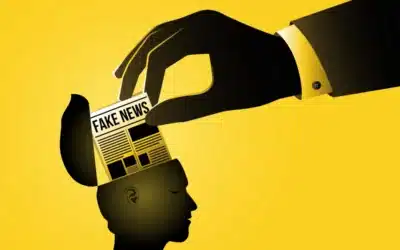
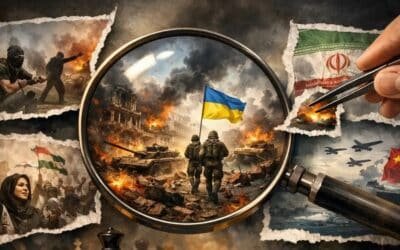
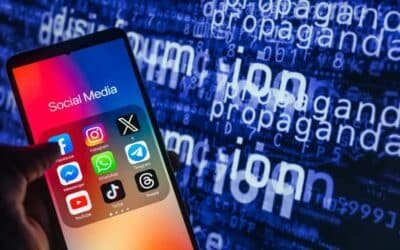
Information warfare is a new instrument of state and non-state actors to control the minds of people by feeding them with lies and half-truths. This involves the dissemination of fake news, edited videos, deepfakes, or the use of bots on social media to generate confusion and mistrust. The fact that this threat can cross borders with ease using such platforms as Facebook, YouTube, Twitter (X), and WhatsApp in a matter of minutes, reaching millions of people, makes this threat more dangerous. They are frequently employed during elections, protests, or diplomatic confrontations to split the society or damage the image of a nation.
Such attacks have been common in Pakistan. As an example, the EU DisinfoLab revealed a fake news network, which had worked for more than 15 years to spread anti-Pakistan propaganda in Europe and the UN through fake NGOs and news outlets. There is also disinformation regarding sensitive matters such as Kashmir, terrorism, and religious intolerance to tarnish the image of Pakistan on the international front or to subject it to international pressure. Such fake narratives are usually foreign in origin but are rapidly disseminated via local social media, and thus, information warfare is not geographically constrained any longer.
The Need for Global Cooperation:
No country can fight an information war on its own. Disinformation travels fast and crosses borders and even platforms with the help of foreign actors. This is why the collaboration of the whole world is required; nations should exchange information, experience, and strategies to react to these dangers in a timely and efficient way.
In the case of Pakistan, collaboration with foreign partners is particularly significant. Misinformation against Pakistan is usually created outside the country, but travels quickly within the country due to social media and messaging applications such as WhatsApp. The international cooperation would assist Pakistan in tracking the origins of the fake content, strengthen online security, and act diplomatically when its image is tarnished. It also enables Pakistan to protect its version of events on the world stage by selling its version of events in the global media and other alliances it can rely on.
Pakistan and the Current International Frameworks:
A lot of international organizations and regional groups are collaborating in combating disinformation. The United Nations (UN) has initiated such initiatives as the Strategy and Plan of Action on Hate Speech that prompt nations to prevent the propagation of online hate and false news through collaboration and education. The European Union (EU) has also developed such tools as the EU Code of Practice on Disinformation to collaborate with tech companies to combat fake news in Europe. To fight foreign propaganda and encourage truthful communication in the NATO member countries, the organization has its StratCom Centre of Excellence.
Pakistan has expressed interest in a few of these international initiatives but has not embraced the key international treaties such as the Budapest Convention on Cybercrime, citing sovereignty and data-sharing concerns. Nonetheless, Pakistan has led international negotiations in the UN concerning responsible conduct in cyberspace and has been one of the leading voices in the OIC to denounce Islamophobia and hate speech against Muslims in the world. Pakistan is also a member of regional organizations such as the SCO and SAARC, which are addressing cyber threats and information threats, but cooperation within these organizations remains immature.
International Cooperation and the Current Efforts in Pakistan:
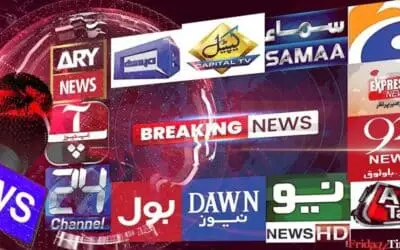
Pakistan has made several measures to safeguard itself against information warfare and to forge collaboration with other nations. Organisations such as ISPR (Inter-Services Public Relations) and MoFA (Ministry of Foreign Affairs) consistently counter the false international narratives, particularly on matters such as Kashmir, terrorism, and the role of Pakistan in the stability of the region. The government is also enforcing the local media through PEMRA (Pakistan Electronic Media Regulatory Authority) to prevent the propagation of fake information, although it is still struggling to contain online misinformation.
In an attempt to enhance its digital defenses, Pakistan has also joined forces with friendly nations. As an example, in the framework of the China-Pakistan Economic Corridor (CPEC), Pakistan and China have ramped up collaboration in the field of cybersecurity and media control to fight false news regarding the project. Pakistan has also allied itself with other nations such as Turkey, Malaysia, and Saudi Arabia in conducting digital and media dialogues to enhance responsible journalism and prevent hate content.
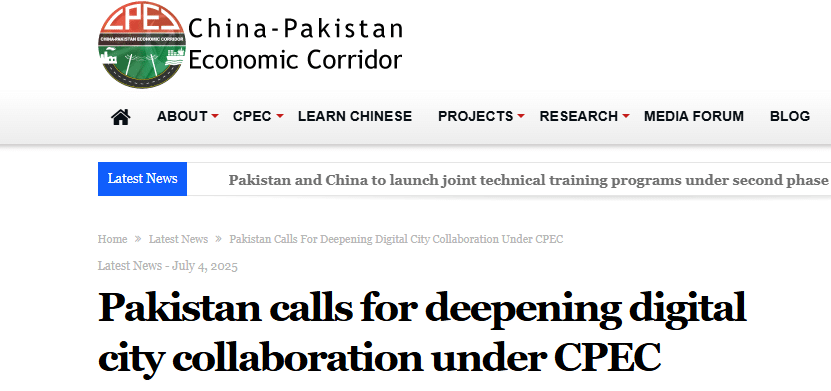
Source: CPECinfo
Pakistan has been involved on the international platform in programs facilitated by UNESCO to foster Media and Information Literacy (MIL). Such programs allow citizens to be more informed about the ways to identify false information and not to be misled by online content.
The problems and the future of Pakistan:
Pakistan has challenges in becoming an active and trusted partner in combating information warfare around the world. The absence of effective and clear laws regarding cybercrime and disinformation is one of the significant problems because of the inability of the government to prosecute digital threats. It is also faced with poor cyber governance and a lack of a national policy to counter online threats.
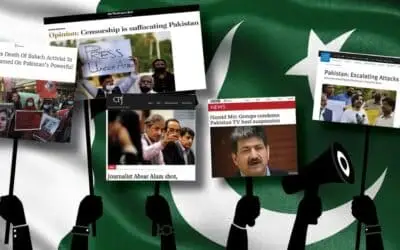
The second issue is the lack of trust within the international community, in part because of the stories surrounding FATF grey-listing and doubts regarding the willingness of Pakistan to be transparent and to fight terrorism financing. There is a difficult balance between national narrative protection and freedom of speech in Pakistan. Excessive regulation can be accused of censorship, whereas too little regulation can permit malicious propaganda to thrive.
Pakistan must take certain steps to counter these issues. It must look into signing the international cybercrime treaties, such as the Budapest Convention, with adequate measures to guard against national interests. A Digital Information Warfare Response Cell on a national level may be established to liaise with foreign partners and track threats online.
Pakistan must also make investments in Track II diplomacy, engage the diaspora and the international media, and present its perspective in facts as opposed to emotional accounts. Pakistan can collaborate with fellow developing countries that have similar digital threats by joining or even leading South-South cooperation platforms. Finally, collaboration with UNESCO and other international organizations on the campaign of public diplomacy and media literacy can contribute to the trust and resilience in the Pakistani population.