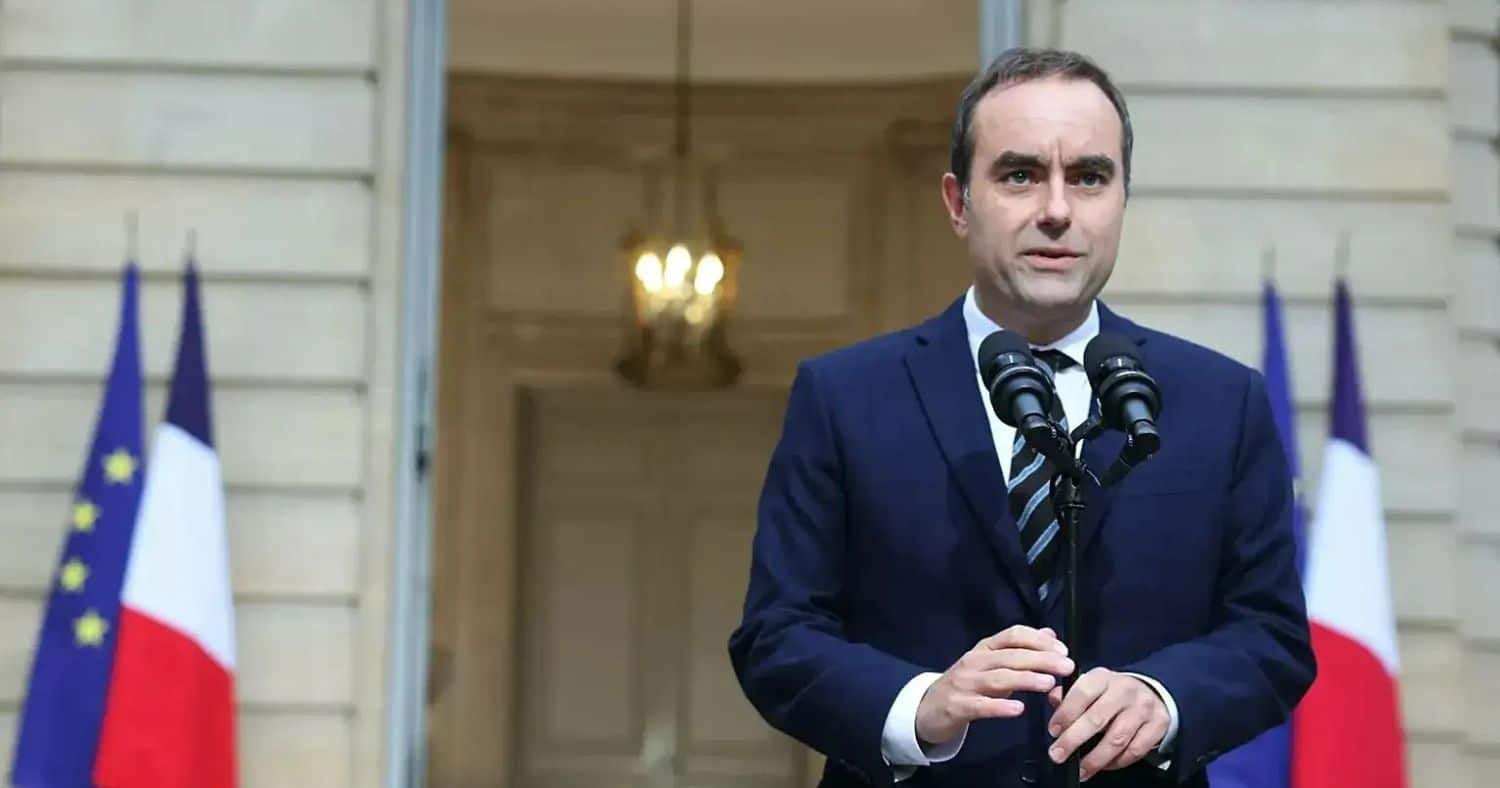





French Prime Minister Sébastien Lecornu has submitted his resignation, according to reports released early Monday by the French news channel BFM TV, citing unidentified sources within the government. The sudden development immediately triggers a period of political realignment for the administration and mandates swift action from the President to appoint a successor.
French Prime Minister Sebastien Lecornu resigns, just a day after President Emmanuel Macron named a new government that was broadly criticized https://t.co/ppT1QePBQP
— Bloomberg (@business) October 6, 2025
Political Vacuum and Presidential Mandate
While official confirmation from the Élysée Palace is pending, the reports indicate that the resignation is effective immediately, dissolving the current government. The departure of Lecornu creates a significant political vacuum, requiring the President to immediately initiate a process of consultation to name a new Prime Minister and form a new cabinet.
This resignation follows a period of increasing political complexity, marked by parliamentary challenges and intense negotiations on key pieces of legislation. Analysts suggest that the move may be an attempt by the President to reset the political agenda and seek a fresh mandate with a new cabinet structure and leadership capable of navigating a deeply fractured legislative environment.
You May Like To Read: Valentino SS26 Dazzles PFW: Lana Del Rey, K-Pop Idols, and A-Listers Light Up Paris Fashion Week
Context of Lecornu’s Tenure
Sébastien Lecornu, who had previously served as Minister of the Armed Forces, was appointed Prime Minister [Hypothetical Date/Month] and served as a key figure in driving the President’s domestic agenda. His time in office was characterized by efforts to pass contentious reforms, including [mention a general policy area, e.g., economic legislation or social security changes]. The pressure of maintaining a working majority and managing deep public division on several flagship policies reportedly strained the relationship between the Prime Minister’s office and the presidential team.
Immediate Implications
The primary focus now shifts to the President’s choice for the next head of government. The new appointee will face the daunting task of forming a cohesive and effective government that can command sufficient support in the National Assembly. Potential candidates are already being discussed across the political spectrum, with the selection expected to signal the President’s strategic direction for the remaining years of the current term.
Until a new government is officially appointed, the outgoing ministers are typically tasked with managing the day-to-day affairs of the state to ensure administrative continuity. The political community and financial markets will be closely monitoring the Élysée for an official statement, which is expected to provide clarity on the timeline for the transition and the President’s future policy priorities.
You May Like To Read: Sean “Diddy” Combs Sentences to 50 Months in Federal Prison