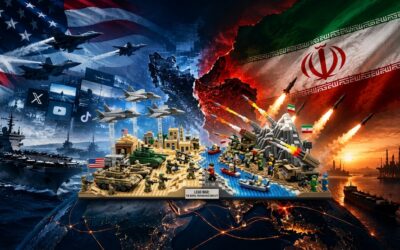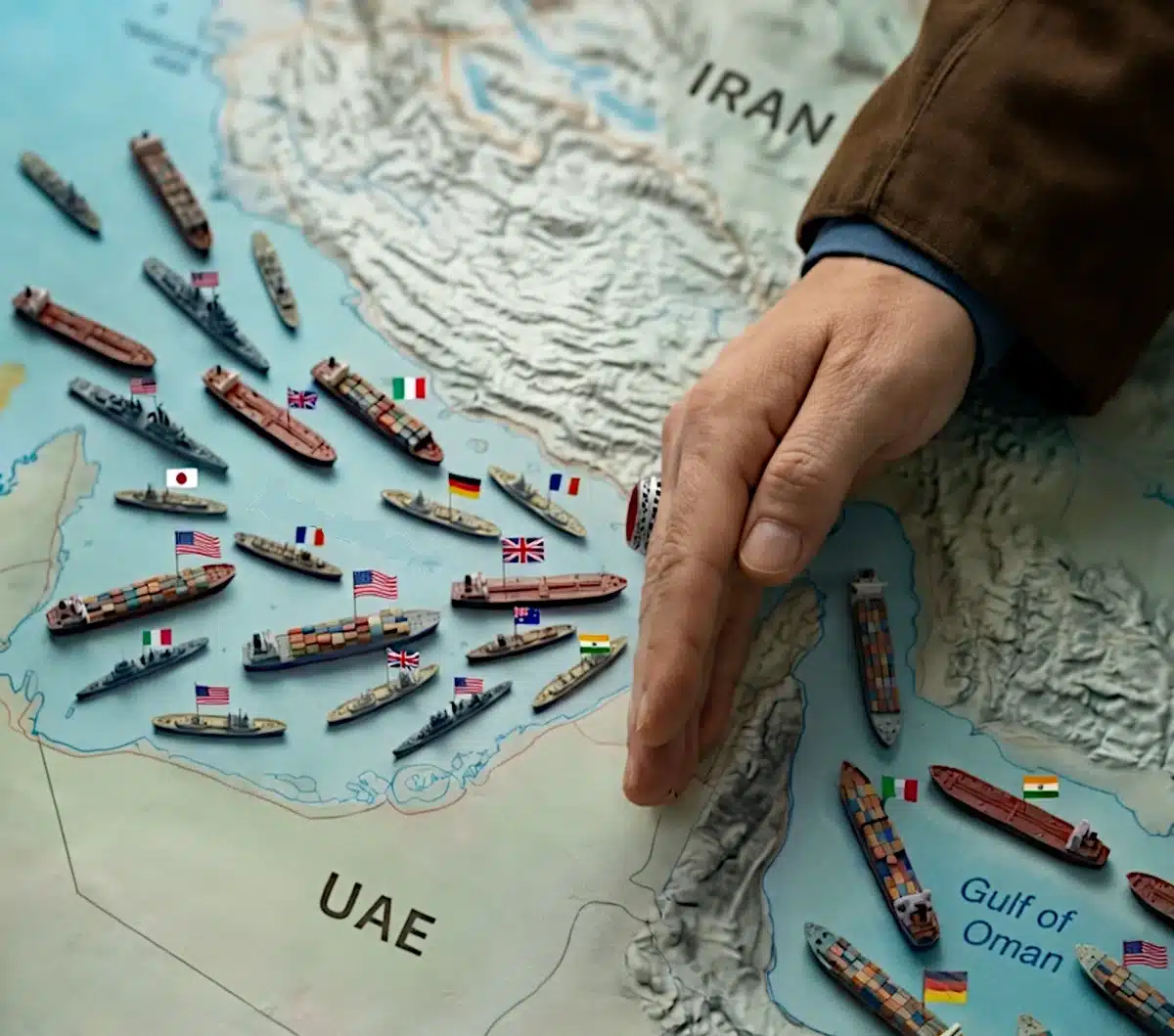





As regional tensions simmer following recent US-Israeli strikes and subsequent Iranian retaliation, Iran is asserting its control over the Strait of Hormuz while simultaneously engaging in a war of words with the US and appealing for diplomatic solutions.
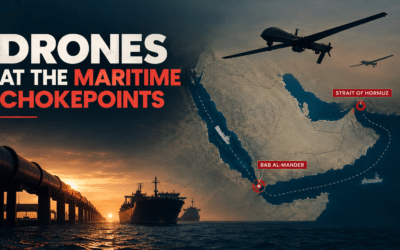
Ebrahim Azizi, head of Iran’s parliament’s national security committee, announced that Iran has developed a mechanism to manage traffic through the Strait of Hormuz along a designated route. This new system, expected to be unveiled soon, will prioritize commercial vessels and entities cooperating with Iran, with fees levied for specialized services. This move can be interpreted as a strategic effort to exert greater control over a vital global shipping lane and potentially leverage it for economic and political gain. The timing of the announcement, amidst heightened tensions, suggests a display of Iranian resolve and a message to regional and international actors about its influence in the area.
Iranian Foreign Minister Abbas Araghchi escalated the rhetoric, warning the US of growing economic repercussions from its “war of choice” against Iran. In a post on X, Araghchi predicted rising costs for Americans, pointing to vulnerabilities in the US economy such as high auto loan delinquencies. This statement highlights Iran’s strategy of attempting to deter further US aggression by emphasizing the potential economic consequences for the US itself.
Americans are told that they must absorb rocketing costs of war of choice on Iran.
Put aside gas price hike and stock market bubble. Real pain begins when U.S. debt and mortgage rates start to jump. Auto loan delinquencies are already at 30+-year high.
This was all avoidable. pic.twitter.com/dhjcdzTOHc
— Seyed Abbas Araghchi (@araghchi) May 15, 2026
Esmaeil Baghaei, Iran’s Foreign Ministry spokesperson, employed the words of anti-colonial writer Aimé Césaire to criticize the West’s perceived moral decline and hypocrisy. This approach aims to delegitimize Western criticism of Iran’s actions and frame the conflict within a broader narrative of Western dominance and its failures.
A civilization that proves incapable of solving the problems it creates is a decadent civilization;
A civilization that chooses to close its eyes to its most crucial problems is a sick civilization;
A civilization that plays fast and loose with its principles is a dying…
— Esmaeil Baqaei (@IRIMFA_SPOX) May 15, 2026
The Permanent Mission of Iran to the United Nations accused the US of manipulating international support for its actions through a politically motivated draft resolution. This accusation underscores Iran’s concern about the US building a coalition against it and its efforts to undermine the legitimacy of any such coalition.
It is now crystal clear that the U.S. is seeking to exploit the number of the so-called co-sponsors of its politically motivated and one-sided draft resolution to manufacture a false image of “broad international support” for its ongoing unlawful actions and to pave the way for…
— I.R.IRAN Mission to UN, NY (@Iran_UN) May 15, 2026
Despite the escalating tensions and strong rhetoric, Iranian President Masoud Pezeshkian conveyed a message of diplomacy to Pope Leo XIV, expressing appreciation for the Pope’s stance on recent military aggressions against Iran. This demonstrates Iran’s attempt to maintain diplomatic channels and present itself as open to peaceful solutions, even while defending its actions as legitimate defense.
Meanwhile, US President Donald Trump asserted that the US could rapidly destroy Iranian infrastructure, while simultaneously acknowledging the unreliability of diplomatic negotiations with Tehran. This mixed message highlights the volatile and unpredictable nature of the US approach to the conflict, oscillating between threats of military action and failed attempts at diplomacy.
Critical Analysis
The current situation is characterized by a dangerous cycle of escalation and de-escalation. Iran’s actions in the Strait of Hormuz, coupled with its strong rhetoric, demonstrate a willingness to assert its regional influence and challenge the US. However, its simultaneous appeals for diplomacy suggest a desire to avoid a full-scale conflict.
The US, under President Trump, is sending mixed signals, further complicating the situation. While threatening decisive military action, the US has also struggled to find a consistent diplomatic approach, creating uncertainty and raising the risk of miscalculation.
The failure of the initial ceasefire and subsequent talks underscores the deep-seated mistrust and conflicting interests at play. The involvement of external actors, such as Pakistan as a mediator and the Pope as a moral voice, highlights the international dimensions of the conflict and the need for a broader diplomatic effort to de-escalate tensions and find a lasting resolution. The economic dimension, emphasized by Iran’s warnings, adds another layer of complexity, highlighting the potential global consequences of the conflict. The situation remains highly volatile, with the risk of further escalation a constant threat.