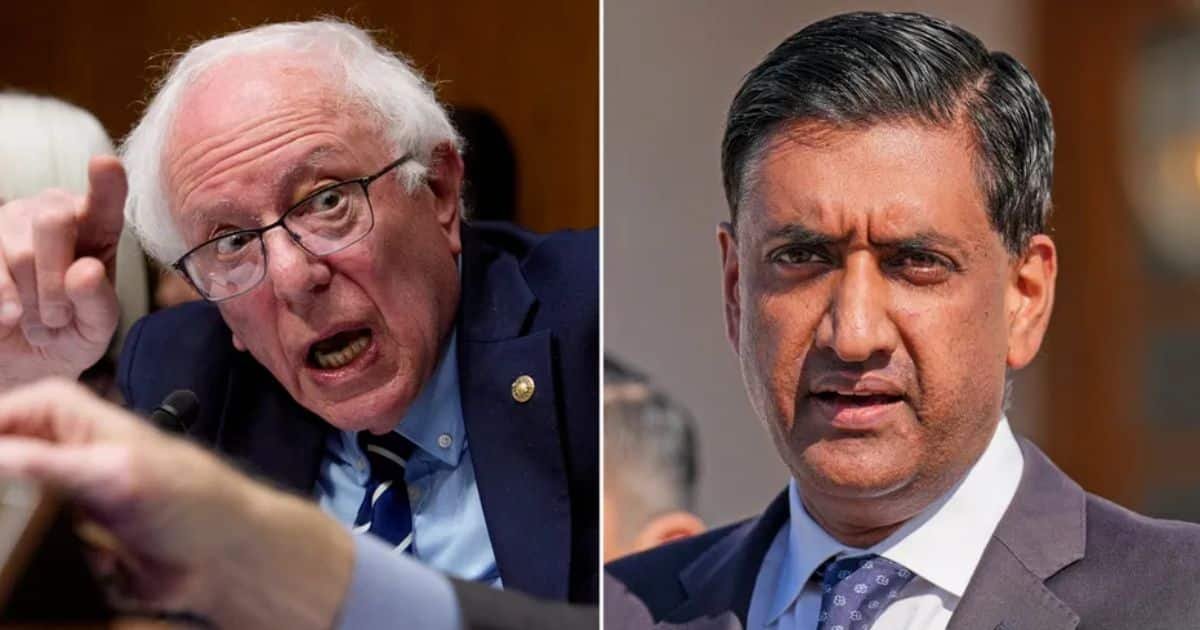




Senator Bernie Sanders and Representative Ro Khanna introduced the “Make Billionaires Pay Their Fair Share Act,” a bold legislative push to impose a 5% annual tax on U.S. citizens with a net worth exceeding $1 billion. Based on an analysis of Forbes’ real-time billionaire list, economists estimate the tax would target roughly 938 individuals who currently hold a combined $8.2 trillion in wealth. Supporters project the tax would raise $4.4 trillion over a decade, aiming to drastically reduce the wealth gap while funding massive social programs.
Backers project, based on Forbes’ billionaires list, that the tax would raise $4.4 trillion over ten years for childcare, housing and a $3,000 per person check to many Americans. Congress and the Constitution stand in the way. https://t.co/UcRSkkIbln
📸: Benjamin Fanjoy via… pic.twitter.com/n2frHuSTHb— Forbes (@Forbes) March 4, 2026
The revenue is earmarked for immediate economic relief, including a $3,000 direct check to individuals in households earning $150,000 or less. Other priorities include establishing a $60,000 minimum salary for teachers, capping childcare costs at 7% of family income, and reversing $1.1 trillion in Medicaid cuts recently signed by President Trump. Prominent billionaires would see significant impacts; for instance, Elon Musk would face an initial tax bill of approximately $42 billion. Economists Saez and Zucman calculate that over 15 years, the tax would effectively cut the fortunes of a typical billionaire in half.
Despite the projected windfall, the bill faces a steep uphill battle in a Republican-controlled Congress. Critics argue the tax is unconstitutional, citing the requirement that direct taxes be apportioned among states by population, a legal hurdle the Supreme Court has yet to fully resolve. While federal passage remains unlikely, the movement is gaining steam at the state level; California is currently weighing a similar billionaire excise tax to offset federal funding cuts, signaling that the “tax the rich” debate will be a central theme in the upcoming 2026 midterm elections.
You May Like To Read: