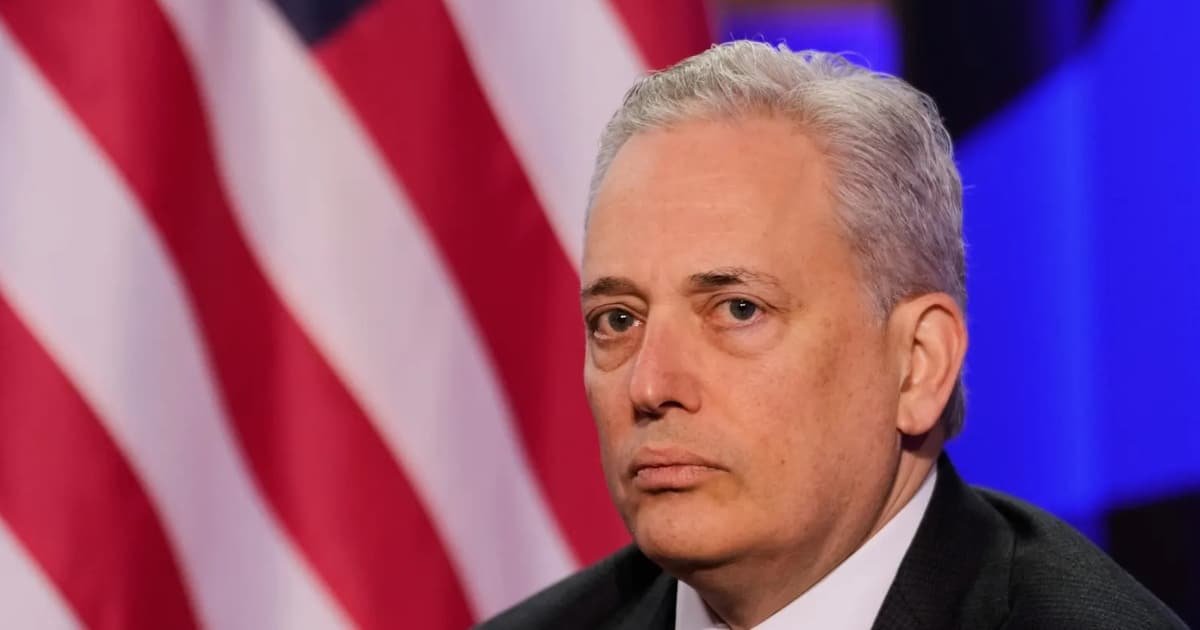





WASHINGTON, D.C. — White House Adviser David Sacks has issued a high-profile call for the United States to seek an “off-ramp” in the ongoing conflict with Iran. Speaking on the All-In Podcast released Friday, Sacks—President Trump’s adviser on Artificial Intelligence and Cryptocurrency—argued that the U.S. has “degraded Iranian capabilities massively” and should now prioritize de-escalation to avoid a regional humanitarian and economic catastrophe.
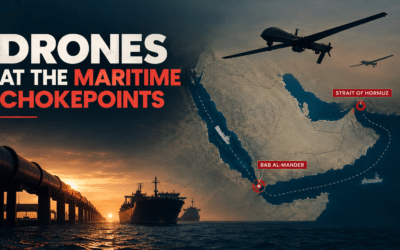
The remarks coincide with a dramatic military escalation, as President Trump confirmed the “obliteration” of military targets on Iran’s Kharg Island, a strategic chokepoint responsible for 90% of the nation’s crude oil exports.
“We are totally destroying the terrorist regime of Iran, militarily, economically, and otherwise, yet, if you read the Failing New York Times, you would incorrectly think that we are not winning. Iran’s Navy is gone, their Air Force is no longer…” – President Donald J. Trump pic.twitter.com/iZKd6N1J70
— The White House (@WhiteHouse) March 13, 2026
The Case for a Strategic “Off-Ramp”
Sacks, a former PayPal executive and venture capitalist, warned that continued escalation serves diminishing strategic returns and risks a “prolonged regional conflict.”
-
Humanitarian Risks: Sacks highlighted a “nightmare scenario” where retaliation could target desalination plants on the Arabian Peninsula, potentially depriving 100 million people of drinking water.
-
Defense Strain: He cautioned that a long war could deplete the air defense systems of regional allies and heighten the risk of a nuclear confrontation.
-
Internal Friction: Sacks noted that while some factions in Washington push for further strikes, the most prudent course is to “declare victory and get out” before the conflict widens beyond control.
Escalation on Kharg Island
The adviser’s call for peace was underscored by the sheer scale of recent U.S. operations.
-
Military Dominance: President Trump announced that U.S. forces utilized “the most powerful and sophisticated weapons” to neutralize every military target on Kharg Island.
-
Conditional Restraint: While military sites were destroyed, the President claimed to have spared the actual oil infrastructure—a decision he stated remains conditional on Iran ensuring free passage through the Strait of Hormuz.
The Toll of the Conflict
The war, which began on February 28, 2026, following the death of former Supreme Leader Ali Khamenei in opening strikes, has reached a critical humanitarian threshold:
-
Casualties: Iranian officials report over 1,300 deaths; Israeli authorities confirm 12 fatalities from Iran-linked attacks.
-
U.S. Losses: The U.S. military has reported the deaths of seven service members since hostilities began.
You May Like To Read: The Potential Withdrawal of Iran from the 2026 World Cup
Washington’s Dual-Track Policy
Following Sacks’ remarks, the White House signaled a willingness to negotiate while maintaining maximum pressure. An official post on X (formerly Twitter) noted that the U.S. is “destroying the terrorist regime of Iran militarily and economically,” but emphasized that Tehran still has a window to “avoid further destruction by agreeing to peace.”
Check out our latest video: