




Introduction
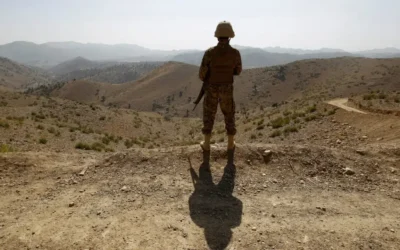
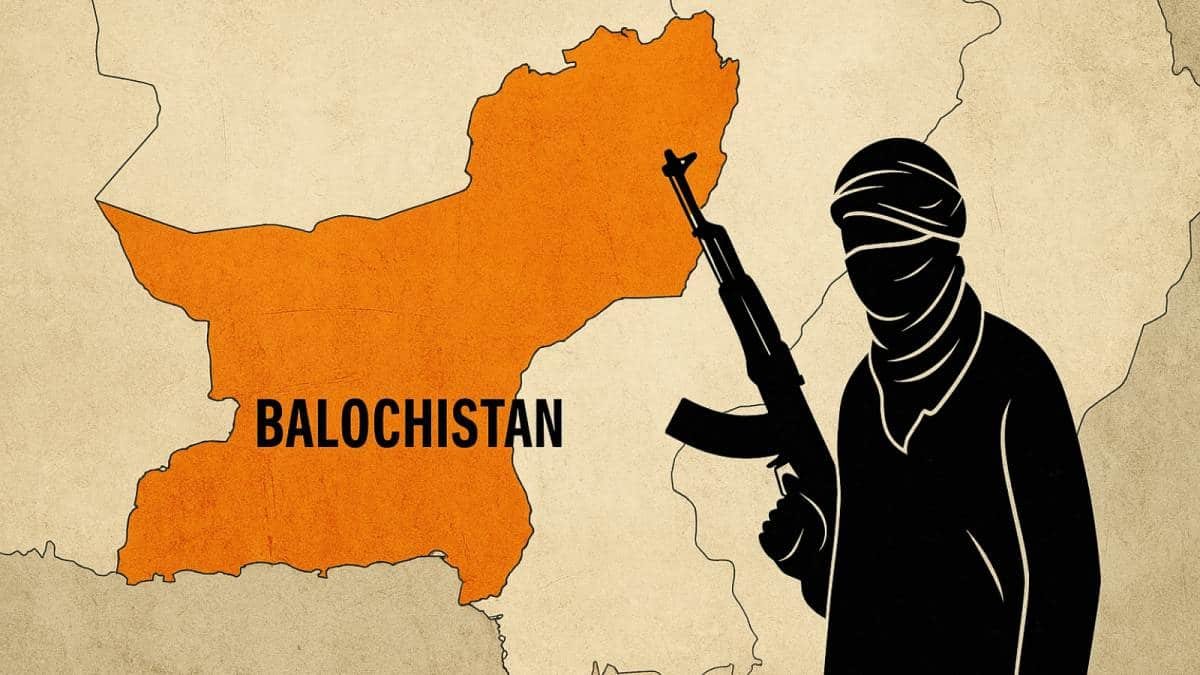
Balochistan, the largest province of Pakistan in terms of area, holds great strategic and economic importance. This province is abundant in natural resources like gas, minerals, and coal, and has the deep-sea Gwadar Port; therefore, at the heart of the China-Pakistan Economic Corridor (CPEC) and associated Blue Economy and Energy plans of Pakistan. The province has been plagued by political instability, tribal issues, and a feeling of marginalization that has continued to turn it into a frequent centre of insurgency.
The insurgency in Balochistan has changed over the decades, from localized grievances by a tribal group to a more complicated situation where external interferences and hybrid warfare strategies play a role. Pakistan’s Government is working to address the local issues in Balochistan. However, the problem of foreign-backed insurgency in Balochistan is more intense as it aims to destabilize the region and derail strategic national projects.
Pakistan, in turn, sees a peaceful, prosperous Balochistan, well integrated into the national mainstream through development-based reconciliation, infrastructure development, and inclusive governance.
Balochistan Insurgency: Internal Grievances and External Exploitation
Balochistan insurgency can be traced to a history of political marginalization, economic underdevelopment, and tribal feudalism. Although Balochistan has huge potential in terms of natural resources and covers about 44 per cent of Pakistan’s landmass, the region has not done as well in terms of socio-economic growth.
The cycle of rebellions started after the independence of Pakistan, and major insurgencies were seen in 1958, 1962, and 1973, after 2004 and they persist even in 2025. The 1973 insurgency became extensive with the overthrow of the government of the National Awami Party. The Sardari system, which was common in the Baloch society, added to the alienation of the people as it vested power in the hands of a few tribal elites who were against any federal reforms and opposed any education and modern system of governance.
Pakistan state institutions have acknowledged these grievances and assured redressal of the same. Nevertheless, there has been systematic fanning of such grievances by foreign hands who have intentions of destabilising Pakistan.
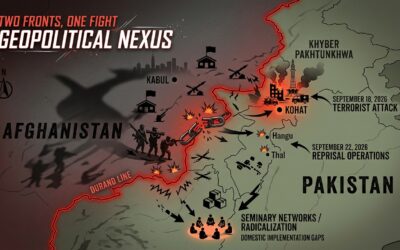
The strongest proof of foreign involvement in Balochistan’s unrest came in 2016, when an Indian navy officer, Kulbhushan Jadhav, was arrested, and admitted to setting up sabotage operations in Balochistan. He was secretly working to destabilise Pakistan on the orders of India and the Indian intelligence service, RAW.
In 2020, Pakistan also sent dossiers to the United Nations pointing out that India had been providing financial and logistical help to Baloch militant groups, citing millions of dollars sent through Afghanistan. These efforts aimed to destabilize the CPEC projects and cause unrest and bloodshed.
Hybrid Warfare in Balochistan: Disinformation and Proxy Campaigns
Besides the armed insurgency, Pakistan has to confront the hybrid threat of social media manipulation and misinformation based on diasporas. Previous NSA Dr. Moeed Yusuf stressed that India used fifth-generation warfare to malign the picture of Balochistan globally by disseminating false news and digital disinformation.
The Free Balochistan Movement, for instance, functions as a proxy campaign, that has sponsored marches in the western capitals, trying to discredit Pakistan. The Government of Pakistan considers these malicious moves, as attempts to destroy its strategic connectivity projects—particularly CPEC and the Gwadar Port—crucial for economic uplifting and regional integration.
Pakistan Strategic Response: Development, Reconciliation and Narrative Control
The founding pillar of Pakistan’s strategy in Balochistan is the development of infrastructure and economic projects, such as the Gwadar Port and the Chinese-Pakistan Economic Corridor (CPEC). These efforts will help the province become a trade centre region and boost the local economy by offering employment to the locals and enhancing services.
The federal budget for FY 2025-26, announced that allocation of Rs250 billion to the province of Balochistan under the federal Public Sector Development Programme (PSDP). The largest allocation among any other province this year, with the focus on high-impact infrastructure, social, and energy projects.
In conjunction with development, the state is encouraging reconciliation by offering amnesty to rebels, together with rehabilitation of ex-militants. Some hundreds have laid down weapons and returned to normal life. Whereas, the youth-targeted programs, including army internships and scholarships, promote integration.
Pakistan’s top political and military leadership—Prime Minister Shehbaz Sharif and Chief of Army Staff General Asim Munir—has also emphasized that prosperity, rather than suppression, is the way forward to achieve sustainable peace. Meanwhile, Pakistan fights back against disinformation efforts organized by foreign powers to undermine the image of Balochistan.
In 2020, the Foreign Office released a dossier that exposed the support of India to separatist extremists in the form of financing and propaganda. The state is relying on narrative-building and fact-based media presentations through DG ISPR briefings, local media, and NSP 2022 to display the actual situation on the ground.
Way Forward
Although evident progress exists, the presence of the gap in trust, youth alienation, and local empowerment persists in Balochistan. Grievances cannot be addressed without infrastructure, but inclusive governance and civic participation can go hand in hand with infrastructure. Such integration of resource allocation and other socio-political aspects, i.e., transparent dialogue, would be the key to addressing decades-long discontent. Going ahead, education, skills training, and political benefits of the Baloch youth ought to be emphasized. To achieve lasting peace, we must:
- Secure the borders
- Counter false propaganda with facts
- Promote internal stability through development and human rights
- Build confidence through inclusive policies and dialogue
- Ensure equal representation in political and economic decision-making
- Invest in development to unlock the region’s strategic potential
- Foster national unity by addressing grievances and celebrating Balochistan’s role