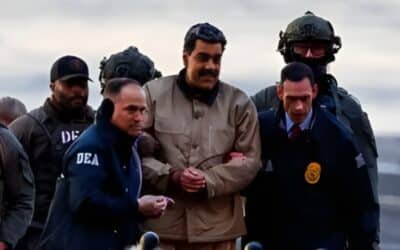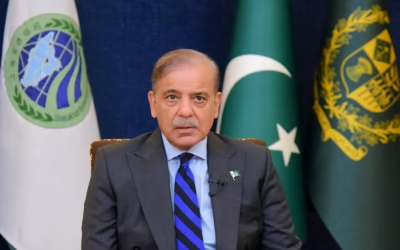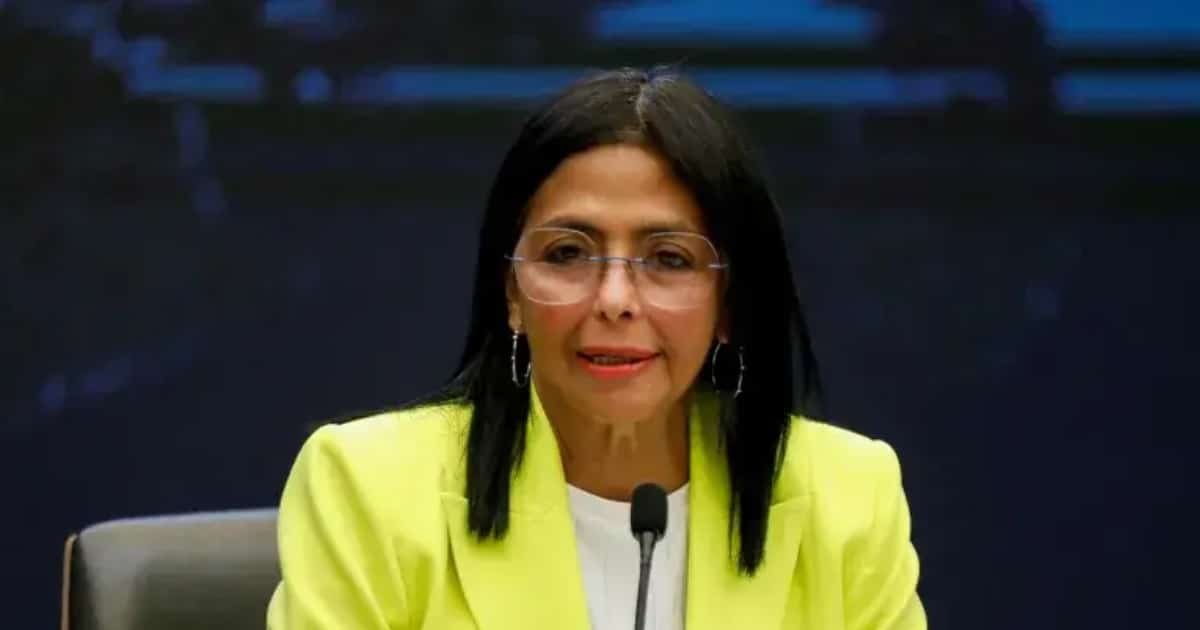





In a dramatic shift in diplomacy, Venezuela’s interim leader Delcy Rodriguez announced on January 5, 2026, her willingness to establish a “balanced and respectful” relationship with the United States. This pivot follows her initial condemnation of the U.S. military operation that resulted in the high-profile abduction of Nicolas Maduro and his wife, Cilia Flores. While Rodriguez previously labeled the raid an “atrocity,” she now emphasizes an agenda of “shared development,” likely aiming to stabilize the country as Maduro prepares for a New York court appearance on narco-terrorism charges.
🇻🇪 #Venezuela‘s acting president Delcy #Rodriguez offered on Sunday to collaborate with the United States on an agenda focused on “shared development”, striking a conciliatory tone for the first time since #US forces captured the oil-rich nation’s president, Nicolas #Maduro. pic.twitter.com/6WqzMnuc9W
— FRANCE 24 English (@France24_en) January 5, 2026
The transition remains incredibly tense. Following Rodriguez’s earlier televised insults toward the Trump administration, the U.S. President threatened her with a “very big price” and refused to rule out “boots on the ground,” asserting that the U.S. is now “in charge.” Despite her conciliatory tone on Telegram, Rodriguez has simultaneously formed a commission, led by her brother Jorge and Foreign Minister Yvan Gil, to seek Maduro’s release.
Trump has justified the unprecedented operation as both a law enforcement action and a response to the Venezuelan migrant crisis and the historical nationalization of U.S. oil interests. As global protests continue, many analysts compare Maduro’s situation to that of Panama’s Manuel Noriega, suggesting a prolonged legal and political battle that could reshape Latin American geopolitics for decades
Muazzama Hasan
Jan 5, 2026
Acting President Delcy Rodriguez Tones Down Rhetoric, Offers U.S. Cooperation
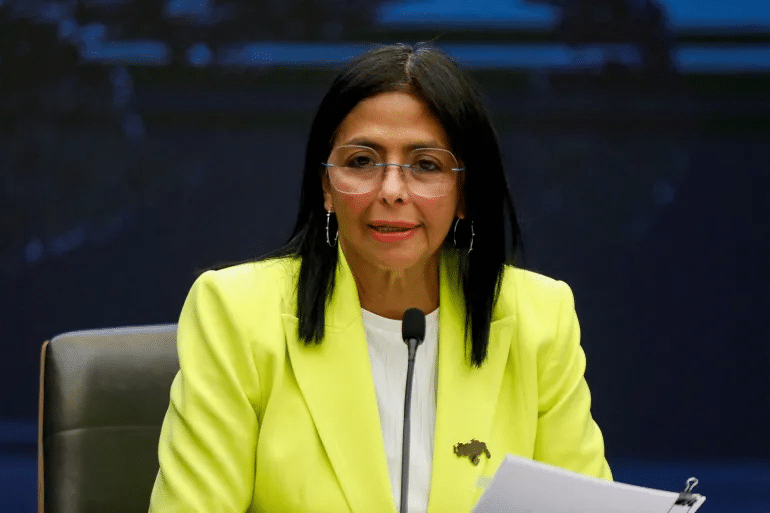
In a dramatic shift in diplomacy, Venezuela’s interim leader Delcy Rodriguez announced on January 5, 2026, her willingness to establish a “balanced and respectful” relationship with the United States. This pivot follows her initial condemnation of the U.S. military operation that resulted in the high-profile abduction of Nicolas Maduro and his wife, Cilia Flores. While Rodriguez previously labeled the raid an “atrocity,” she now emphasizes an agenda of “shared development,” likely aiming to stabilize the country as Maduro prepares for a New York court appearance on narco-terrorism charges.
🇻🇪 #Venezuela‘s acting president Delcy #Rodriguez offered on Sunday to collaborate with the United States on an agenda focused on “shared development”, striking a conciliatory tone for the first time since #US forces captured the oil-rich nation’s president, Nicolas #Maduro. pic.twitter.com/6WqzMnuc9W
— FRANCE 24 English (@France24_en) January 5, 2026
The transition remains incredibly tense. Following Rodriguez’s earlier televised insults toward the Trump administration, the U.S. President threatened her with a “very big price” and refused to rule out “boots on the ground,” asserting that the U.S. is now “in charge.” Despite her conciliatory tone on Telegram, Rodriguez has simultaneously formed a commission, led by her brother Jorge and Foreign Minister Yvan Gil, to seek Maduro’s release.
You May Like To Read: EU Investigates Grok AI Over Sexual Deepfakes of Minors and “Spicy Mode” Lapses
Trump has justified the unprecedented operation as both a law enforcement action and a response to the Venezuelan migrant crisis and the historical nationalization of U.S. oil interests. As global protests continue, many analysts compare Maduro’s situation to that of Panama’s Manuel Noriega, suggesting a prolonged legal and political battle that could reshape Latin American geopolitics for decades
Check out our latest video: