




Extradition, long considered a neutral tool of international justice, has increasingly become a weapon of geopolitical maneuvering. While its stated purpose is to ensure fugitives cannot evade accountability by crossing borders, in practice it has evolved into a contested arena where law, diplomacy, and politics intersect. From the high-profile saga of Julian Assange to the growing abuse of Interpol Red Notices by authoritarian states, extradition is no longer just about crime—it is about power, influence, and control.
Legal Mechanism or Strategic Weapon?
The traditional logic of extradition rests on the principle of reciprocity: states agree to return criminals to one another under clearly defined treaties. Safeguards, such as the prohibition on extraditing individuals for “political offences,” were meant to prevent abuse. Yet, the blurred line between what constitutes a crime and what is considered political dissent has left ample room for manipulation.
Authoritarian governments increasingly brand journalists, dissidents, or exiled politicians as “criminals,” often under charges of terrorism or national security violations. This strategic labeling allows states to weaponize extradition treaties and put critics on trial abroad, turning what was meant to be a neutral legal mechanism into an instrument of repression.
Interpol Red Notices: Policing or Persecuting?
Interpol’s Red Notice system, designed as a global alert mechanism for fugitives, has become one of the most controversial tools in transnational law enforcement. In theory, a Red Notice is not an arrest warrant but a request for member states to locate and provisionally detain an individual. In practice, however, it often acts as a de facto international arrest order.
Human rights groups have consistently warned of its misuse. Countries such as Russia, Turkey, China, and the UAE have been repeatedly accused of filing politically motivated Red Notices to harass dissidents living abroad. For example, Turkish authorities have attempted to target exiled members of the Gülen movement, while Russia has pursued opposition figures through the system. Though Interpol introduced reforms in 2016 to increase oversight, critics argue that the organization remains opaque, with limited accountability.
The consequences for individuals caught in this web are profound. A Red Notice can freeze bank accounts, restrict travel, damage reputations, and create a cycle of legal limbo. Even if ultimately dismissed, the process itself can serve as punishment—what some scholars term “lawfare”: the strategic use of law as a weapon.
The Assange Case: Extradition as Political Leverage
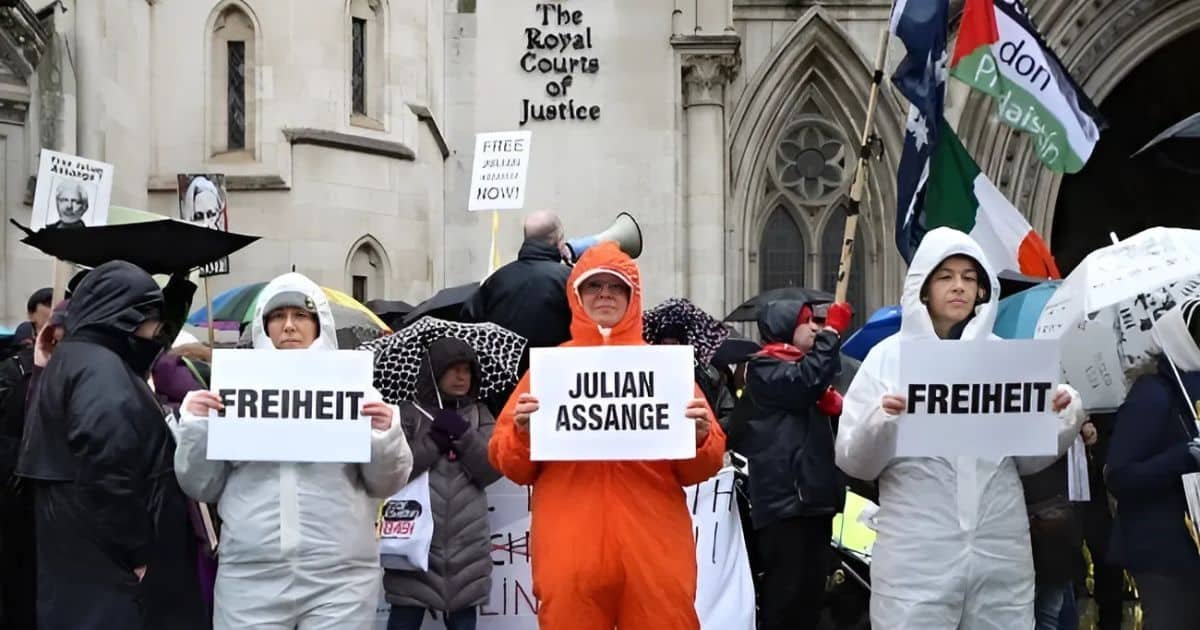
The drawn-out legal battle over Julian Assange demonstrates how extradition cases often transcend their legal foundations. Charged under the U.S. Espionage Act for publishing classified material via WikiLeaks, Assange has faced extradition requests that many argue are politically motivated. His supporters contend that prosecuting him criminalizes journalism and threatens press freedom worldwide.
British courts at various stages have expressed concern over the human rights implications of extradition, citing the risk of harsh prison conditions and potential psychological harm. At the same time, diplomatic pressure has complicated proceedings. Australia, Assange’s home country, has lobbied Washington for leniency, while the Biden administration faces scrutiny over whether pursuing Assange aligns with U.S. commitments to free expression.
The case has become more than a legal matter—it is a litmus test of how Western democracies balance national security, press freedom, and international law.
Historical Context: From Cold War to the Pinochet Precedent
The weaponization of extradition is not new. During the Cold War, Western and Eastern blocs often used extradition to score political points or undermine rival governments. Defectors were branded as traitors or criminals, and extradition requests were tools of propaganda as much as law.
One of the most famous examples was the Pinochet case in 1998. The former Chilean dictator was arrested in London under an international warrant issued by a Spanish judge for crimes against humanity. While ultimately not extradited, the case marked a turning point, showing that extradition could be used to advance universal jurisdiction and human rights accountability, not just political repression.
This historical backdrop reveals the dual nature of extradition: it can either entrench authoritarianism or serve as a vehicle for justice, depending on who wields it.
Small States, Big Dilemmas
While much attention focuses on the role of major powers, smaller states often face the hardest choices. Countries in Africa, South Asia, and Latin America frequently receive competing extradition requests from rival powers. Compliance can lead to economic or diplomatic rewards, while refusal risks retaliation.
For example, some African states have been pressured simultaneously by China and Western countries over extradition cases involving dissidents or business figures. These states often lack the judicial independence to resist external pressure, making them arenas for geopolitical tug-of-war.
You May Like To Read: New Age of Warfare: V-Day Parade in China
Pushback and Reform Efforts
The growing misuse of extradition has sparked calls for reform. The United States passed the Transnational Repression Accountability and Prevention (TRAP) Act in 2021, aiming to curb abuse of Interpol Red Notices and protect political refugees. Similarly, European courts have increasingly scrutinized extradition requests, rejecting those deemed politically motivated or violating human rights.
Yet, enforcement remains inconsistent. Without stronger international oversight, authoritarian governments continue to exploit gaps in the system. Advocates argue for greater transparency in Interpol’s review process, stronger safeguards for political dissidents, and coordinated action by democratic states to resist abusive requests.

Extradition, once a technical matter of law, is now deeply embedded in the geopolitics of power and repression. The cases of Julian Assange, the misuse of Interpol Red Notices, and the precedent of Pinochet illustrate how law can serve as both a shield and a sword. For authoritarian states, it offers a way to extend repression across borders; for democracies, it tests their commitment to rule of law and human rights.
As states continue to weaponize legal tools, the international community faces a stark challenge: to reclaim extradition from the grip of politics and restore its integrity as a mechanism of justice. Without reform, extradition risks becoming less a matter of law and more an instrument of coercion—eroding not only the rights of individuals but the credibility of international law itself.
You May Like To Read: Pakistan Condemns Israeli Aggression at UNSC