




The Age of Silent Weapons
Statecraft in the 21st century no longer stops at embassies and battalions. Governments today deploy digital tools, from targeted social-media campaigns to large-scale surveillance systems, to shape foreign audiences, influence policy debates, and deter rivals without firing a shot. These are not just technical operations; they are political acts designed to change perceptions, sow doubt, and create leverage in international affairs. Evidence from recent conflicts and security reviews shows that information activities now sit alongside diplomacy, economic policy and military force as instruments of national power.
You May Like to Read: AI in War: Are Algorithms Becoming the New Generals?
How States Weaponise Data
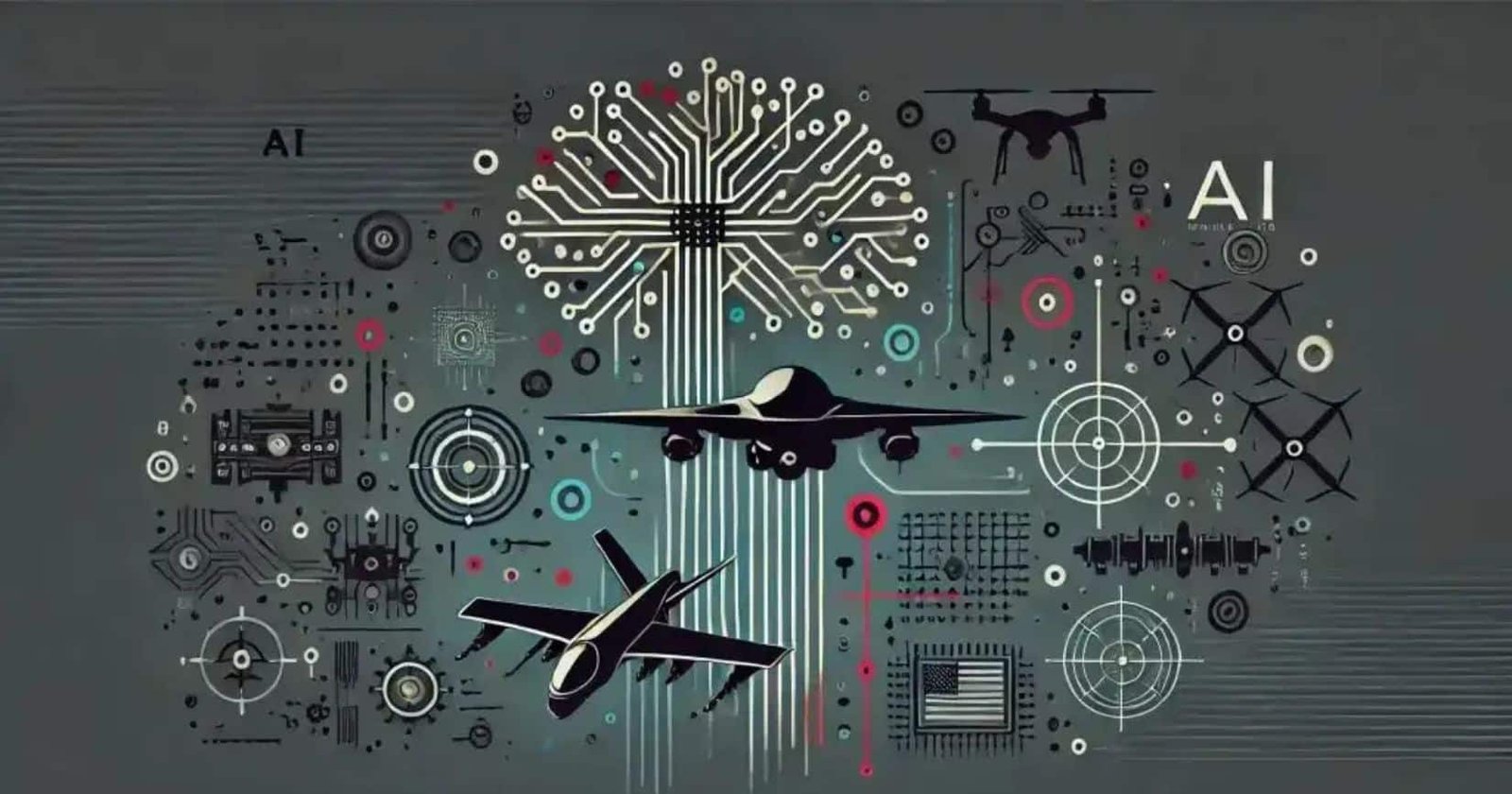
Modern information campaigns combine data analytics, artificial intelligence, and platform manipulation. States harvest open-source data and commercial datasets to micro-target messages, use AI to generate convincing audio and video fakes, and deploy botnets and troll farms to amplify chosen narratives. The result is a system that can nudge public opinion in seconds and make falsehoods go viral before fact-checkers can respond.
According to Microsoft’s 2025 Digital Threats Report, Russia, China, Iran, and North Korea have sharply increased their use of AI to conduct cyberattacks and disinformation campaigns, with over 200 documented cases this year alone, more than double 2024 figures. These states now weaponize data through AI-generated fake content, cloned identities, and automated hacking tools to infiltrate systems and manipulate public opinion.
Surveillance as an instrument of foreign policy
Surveillance infrastructures, facial recognition, ubiquitous cameras, data-harvesting apps, are not only tools for domestic control; they shape states’ external behaviour too. By building the capacity to monitor and classify populations, some governments create political narratives about security and “influenceable” audiences beyond their borders.
Under Xi Jinping’s rule, China has intensified political repression, tightened censorship, and expanded surveillance, silencing dissent across the mainland, Hong Kong, Tibet, and Xinjiang. Authorities continue to detain activists, restrict religious and press freedoms, and commit widespread human rights abuses, particularly against Uyghurs, while dismissing international criticism. The state’s control over information and digital infrastructure now extends beyond its borders, shaping global narratives and curbing external scrutiny.
You May Like to Read: The Global Rise of Surveillance States: Implications for Pakistan’s Civil Liberties
Digital Coercion, not just Persuasion
Information warfare is not limited to persuasion. It includes coercive acts like cyber intrusions that disable services, leaks timed to embarrass rivals, and online harassment campaigns meant to intimidate critics or sway elections. Intelligence and defence studies increasingly treat these activities as part of “hybrid” or “cognitive” warfare, a layered approach that uses ambiguity and plausible deniability to reshape political choices without triggering traditional conflict thresholds. Recent analyses of state-sponsored cyber activity show sustained campaigns that target governments, research institutions and infrastructure in multiple countries.
Why Pakistan Should Care?
For Pakistan, the rise of data-plomacy carries both threats and strategic choices. As digital connectivity deepens, Pakistani institutions and media ecosystems become more exposed to foreign influence, misinformation and cyber risks. At the same time, Pakistan can use data tools to tell its own story abroad, protect citizens from online harms, and strengthen resilience in critical sectors. Islamabad already recognises this, the National Cyber Security Policy (2021) sets out a framework to secure cyberspace and protect critical infrastructure, signaling a policy intent to manage these risks. Implementation and capacity building remain the pressing challenges.
You May Like to Read: The Media’s Role in Framing Muslim Resistance as Terrorism
What Democratic States are Doing
Democracies are experimenting with mixtures of regulation, public awareness and technical defence. Governments and private platforms are expanding fact-checking networks, hardening election infrastructure, and coordinating with civil society to counter disinformation. Defence establishments also now see information operations as a domain to be organised and regulated, with doctrinal updates and workforce evaluations aimed at improving readiness. But balancing counter-measures with free-speech protections is politically delicate and technically hard.
A Pakistani Approach that Preserves Openness
Pakistan’s response should combine three practical lines: strengthen cyber resilience for critical services, invest in public media literacy to blunt the impact of deception, and engage diplomatically with partners to norm behaviour in cyberspace. Legal and institutional tools must be matched by training for journalists and public officials to recognise and avoid amplification of foreign influence. International cooperation, sharing threat intelligence, joint norms development, and capacity assistance, will be indispensable because information operations cross borders as easily as data flows.
A Strategic Conclusion
Information has become a currency of power. States that master both technical means and credible messaging gain influence without conventional military buildup. For Pakistan, the task is not to isolate but to build resilience and narrative competence: defend infrastructure, educate citizens, and craft persuasive, honest narratives that reflect national interests. The contest over facts and attention will be a defining feature of diplomacy in the coming decade. If Islamabad and Pakistani institutions treat data-plomacy as a core part of statecraft rather than an afterthought, the country can protect its sovereignty and project a clearer voice in an increasingly noisy digital world.