



While the world’s attention remains fixed on the naval standoff in the Strait of Hormuz, a much quieter, potentially more devastating crisis is brewing in the rice paddies of Asia. Farmers across the continent are sounding the alarm: with fuel costs soaring due to the conflict and vital fertilizer shipments trapped behind blockades, the production of the world’s most essential staple is hitting a wall. Add in the looming specter of an El Niño weather event, and experts warn that we are looking at a “tighter global supply” in the second half of 2026.
Rice supply is expected to fall this year as farmers cut planting acreage across Asia because of fertiliser shortages and soaring fuel costs from the Iran war, with an emerging El Nino also set to squeeze output of the world’s most consumed staple.
Listen to or read full story… pic.twitter.com/vZtN90GgQ0
— Bangkok Post (@BangkokPostNews) April 30, 2026
The “War-on-Plate” Effect
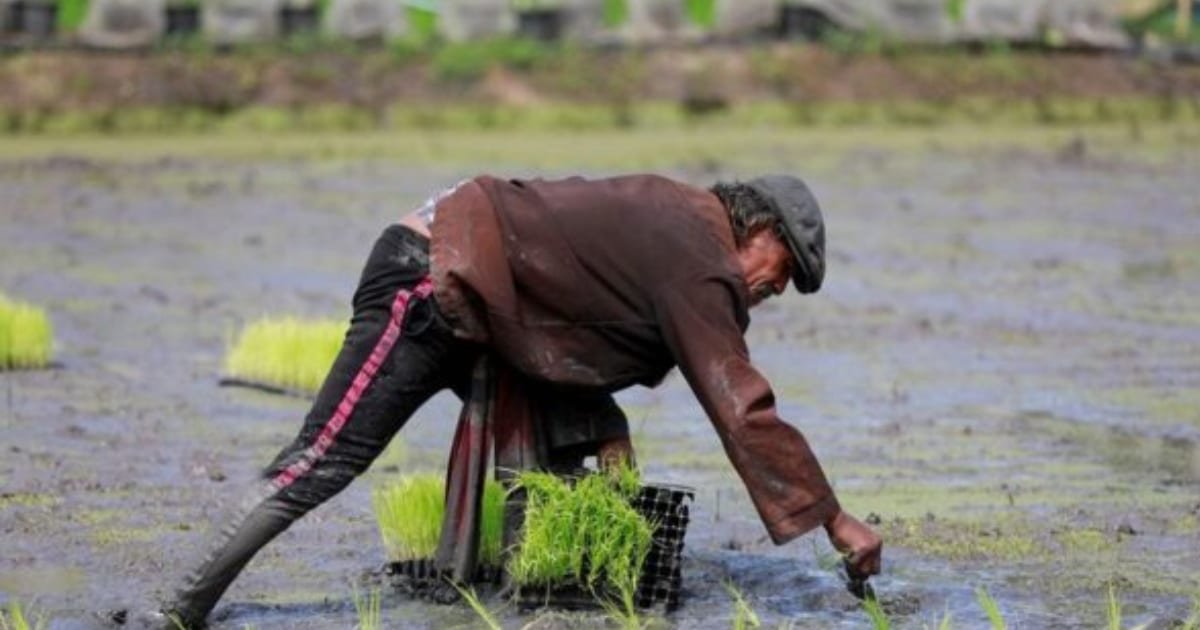
For farmers like Sripai Kaew-Eam, a 60-year-old rice grower in Thailand’s Chai Nat province, the Iran war isn’t a headline—it’s a production nightmare.
-
The Cost Surge: Production costs per rai (0.4 acre) have jumped from 5,000 baht to 6,000 baht. Meanwhile, the price of a single bag of fertilizer has spiked from 850 baht to 1,200 baht.
-
The Cutback: Forced to choose between bankruptcy and lower output, farmers are cutting fertilizer use by half. “Fertiliser prices are high, fuel prices are high,” Sripai explains. The result? Lower yields per acre, creating a domino effect that hits the global market.
The Supply Chain “Nightmare”
It isn’t just about growing the rice—it’s about moving it. Traders report a systemic breakdown in Asian logistics.
-
Missing Essentials: There is a shortage of the very polypropylene bags needed to pack the harvest.
-
Bottlenecks: With limited trucks available to reach ports and major shipping lanes disrupted by the maritime conflict, the “just-in-time” delivery model for food is failing. As one anonymous Singapore-based trader put it, “Logistics have become a nightmare.”
The Regional Outlook: A “Precarious Position”
The impact isn’t uniform, but it is widespread.
-
The Philippines: As the world’s largest rice importer, the country is in a “precarious position.” Projections suggest output could drop by up to 6 million tonnes. With global export restrictions in play, covering this shortfall is becoming increasingly difficult.
-
Indonesia: While fertilizer is available, the coming El Niño is set to shrink the harvest area by over 10% between March and May, forcing the nation to face a production drop of 11% to 20.68 million tonnes.
-
The India Buffer: The only silver lining is India’s record stockpile of 42 million tonnes—about one-fifth of global reserves. This provides a crucial “cushion,” but it may not be enough if a panic-buying cycle starts like the one seen in 2022–2023.
Analysis: Time is Running Out
FAO chief economist Maximo Torero is clear: we have a two-to-three-week window. If the Strait of Hormuz remains closed and fertilizer flows stay choked, the supply tightness will be “pretty serious” for the early 2027 harvest.
We are currently in a delicate balancing act. Even if the war in the Gulf ends tomorrow, the damage to this year’s agricultural cycle is already baked in. Policymakers are bracing for a scenario where “modest supply disruptions” lead to the same price spikes that triggered regional unrest in 2008.
You May Like To Read: UAE Ministry of Foreign Affairs Issues Travel Ban to Iran, Lebanon, and Iraq
Check out our latest video: