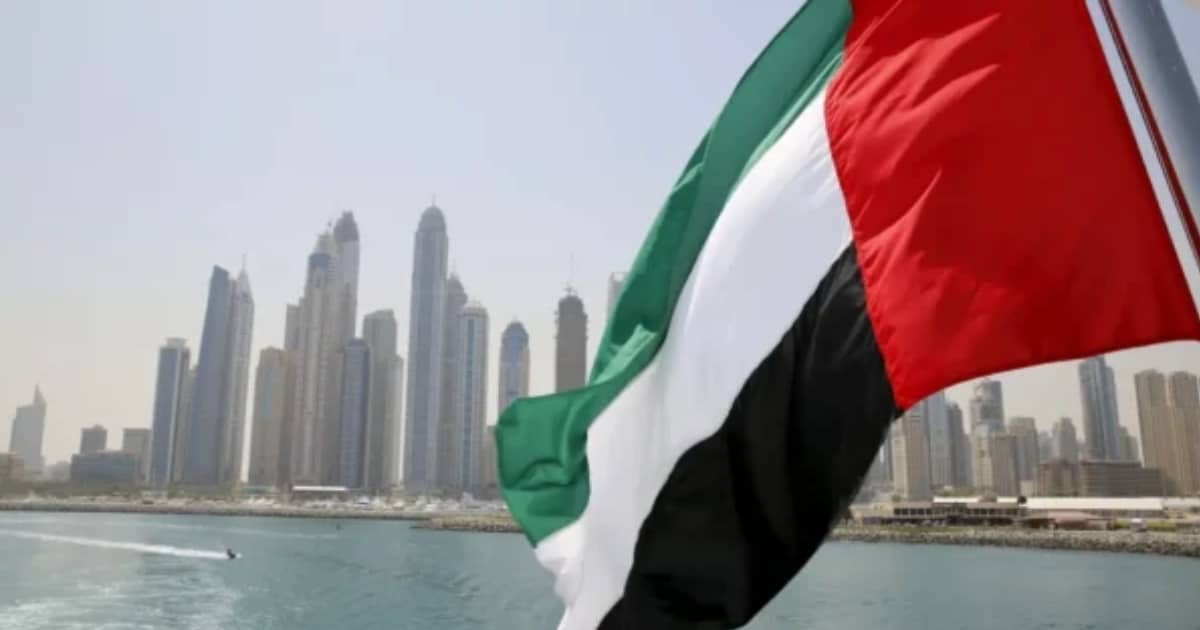




Citing the rapidly deteriorating security landscape across the region, the United Arab Emirates (UAE) Ministry of Foreign Affairs (MoFA) has officially issued a travel ban for all UAE nationals to Iran, Lebanon, and Iraq. The move is categorized as a “precautionary measure” to ensure the safety and well-being of Emirati citizens amid the ongoing regional standoff.
In light of current developments, the Ministry of Foreign Affairs announces a travel ban on UAE nationals traveling to Iran, Lebanon, and Iraq. The Ministry calls on all UAE nationals currently in these countries to expedite their immediate return to the UAE. pic.twitter.com/irZaxadiw5
— MoFA وزارة الخارجية (@mofauae) April 30, 2026
Immediate Directives for UAE Nationals
The Ministry has outlined clear, time-sensitive instructions for citizens currently residing or traveling in the affected countries:
-
Leave Immediately: All UAE citizens currently in Iran, Lebanon, or Iraq are urged to depart and return to the UAE at the earliest possible opportunity.
-
Travel Ban: A total ban on all travel by UAE nationals to these three nations is now in effect until further notice.
-
Emergency Contact: Citizens requiring urgent assistance are directed to contact the MoFA emergency hotline at +971 800 44444.
Strategic Context: Why Now?
This advisory follows a week of heightened military posturing and diplomatic volatility.
-
Regional Disturbances: The move reflects growing concern in Abu Dhabi that the “no war, no peace” impasse between Washington and Tehran could trigger sudden, localized escalations, particularly in high-risk zones like Lebanon and Iraq.
-
Precautionary Diplomacy: By removing its citizens from these areas, the UAE is effectively “de-risking” its diplomatic position, ensuring that regional tensions do not lead to hostage scenarios or endanger its nationals in the crossfire of potential military strikes.
Analysis: The Fragility of the “Islamabad” Peace
While the April 8 ceasefire technically holds, the lack of progress in the “Islamabad Talks” has created a security vacuum. Nations across the Gulf are shifting from a posture of “optimistic waiting” to “defensive preparation.”
For the UAE, this ban is a clear signal that the window for a peaceful settlement is closing. As military planners in the U.S. finalize “final blow” strike options and Iran maintains its blockade of the Strait of Hormuz, regional powers are increasingly insulating themselves against a potential, sudden collapse of the truce.
You May Like To Read: Hormuz Crisis Could Trigger Global Recession, says UN Secretary-General
Check out our latest video: