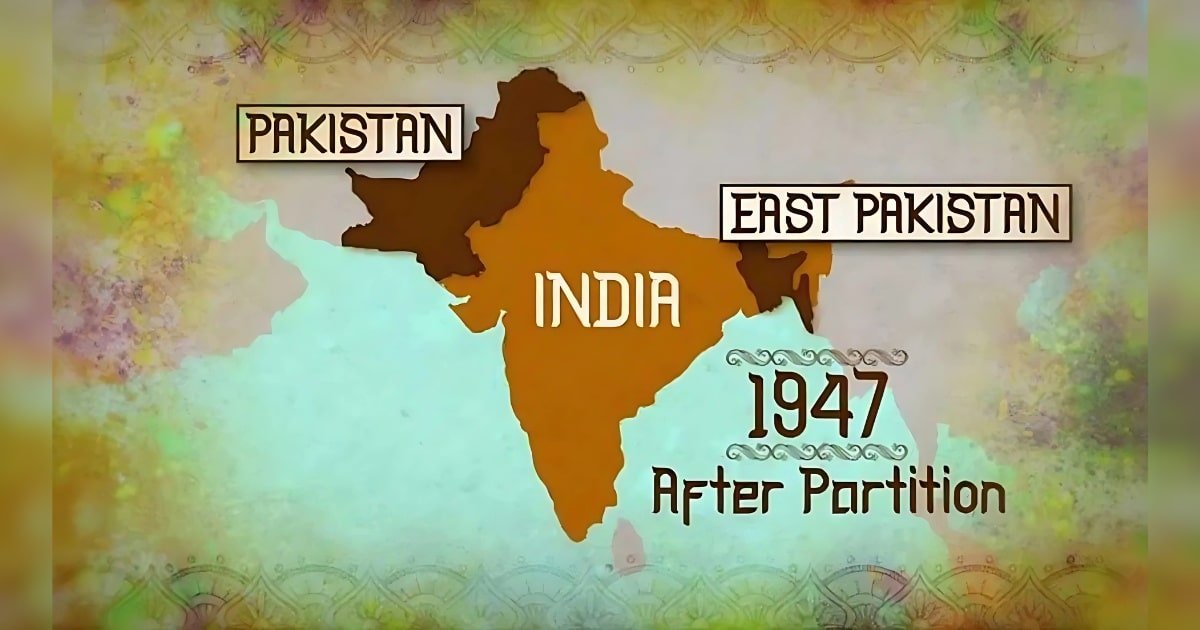





The Two-Nation Theory, which served as the foundational ideology for the creation of Pakistan, was not an abstract political concept but a direct response to the social, economic, and political conditions that prevailed in British India. The idea that Muslims and Hindus constituted two separate nations with fundamentally different identities and interests was fueled by a complex interplay of historical grievances, cultural differences, and political developments. The conditions in British India, particularly in the later part of the 19th and early 20th centuries, created an environment where the demand for a separate homeland gained traction and eventually became an unstoppable force.
The Aftermath of 1857: A Deepening Divide
The first major catalyst for the Two-Nation Theory was the Indian Rebellion of 1857. While the rebellion was a joint uprising against British rule, its aftermath had a profound and disproportionate impact on the Muslim community. The British, viewing Muslims as the primary instigators of the revolt, embarked on a deliberate policy of suppression and marginalization. They dismantled the vestiges of Mughal authority, confiscated land from Muslim landowners, and promoted English education over traditional Islamic learning.
You May Like To Read: Chaudhary Rehmat Ali, The Man Who Gave the Name Pakistan
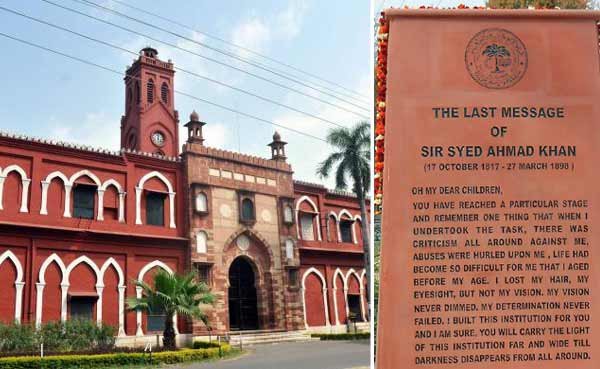
This policy not only crippled the Muslim elite but also created a deep sense of insecurity and distrust towards the British. It was during this period that figures like Sir Syed Ahmad Khan emerged as a voice for the Muslim community. He recognized that Muslims needed to embrace modern education and engage with the British to improve their socio-economic standing. His efforts led to the establishment of educational institutions like the Aligarh Muslim University, which became a hub for Muslim intellectual and political thought. This intellectual awakening, while initially focused on social reform, laid the groundwork for a distinct political identity.
Political Representation and Economic Disparity
As the British began to introduce representative governance in India, the issue of political representation became a major source of contention. The “first past the post” electoral system, favored by the British, would have inevitably led to Hindu majority rule. Muslims, being a minority, feared that their political voice would be completely silenced in a unified India. This fear was not unfounded.
The Indian National Congress, founded in 1885, was largely perceived by many Muslims as a Hindu-dominated party that prioritized Hindu interests. In response to these concerns, the All-India Muslim League was formed in 1906 with the primary objective of protecting and advancing Muslim political rights. This move formally institutionalized the political divide and set the stage for a separate political struggle.
Furthermore, economic disparities between the two communities fueled the sense of a two-nation divide. During British rule, Hindus, particularly from the educated and merchant classes, were perceived to have benefited more from British policies and were more successful in securing jobs in the civil services and other professional sectors. This economic imbalance, coupled with the political disenfranchisement, fostered a deep-seated fear among Muslims that a united India would perpetuate their economic and political marginalization. They believed that a separate state was the only viable solution to ensure their economic prosperity and safeguard their future.
You May Like To Read: August 14, 1947: Celebrating History, Honoring Sacrifice
Cultural Identity and Religious Differences
Cultural and religious differences played a central role in solidifying the Two-Nation Theory. The British policy of “divide and rule” exploited and exacerbated these differences, particularly through a focus on historical narratives that pitted Muslim rulers against Hindu subjects. Movements like the Hindi-Urdu controversy, where Hindus demanded the replacement of Urdu with Hindi as the official language, and the cow protection movements, which were perceived as an attack on Muslim religious practices, created deep social friction. These cultural clashes convinced many Muslims that their religious identity and way of life would be under constant threat in a Hindu-majority state.
The ideology of the Two-Nation Theory, therefore, was not merely a political slogan but a genuine belief rooted in the lived experiences of millions of Muslims in British India. It was a culmination of historical grievances, political fears, and cultural anxieties. The conditions of the time, the aftermath of the 1857 rebellion, the struggle for political representation, and the growing cultural divide, created a fertile ground for the idea of a separate homeland to flourish.
On August 14, 1947, this theory was realized, giving birth to a new nation built on the promise of a separate identity and a secure future for its people. The legacy of these conditions continues to be a subject of historical debate, but their impact on the creation of Pakistan remains undeniable.