


The geopolitical architecture of the Middle East has entered a highly dangerous phase. Following the declaration of a maritime embargo against the Kingdom of Saudi Arabia by Yemen’s Iran-aligned Houthi movement, the Red Sea has transformed into a active operational theater. This escalation directly threatens commercial navigation, global energy transit, and the fragile security balance across South Asia and the Gulf.
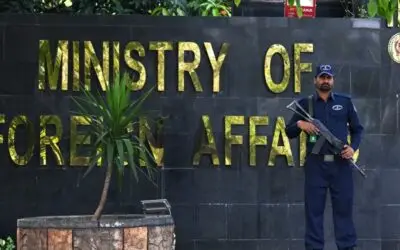
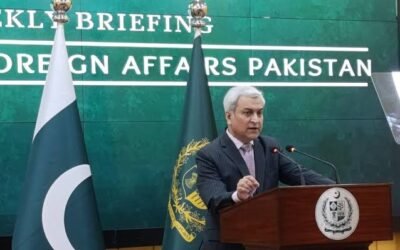
In response, Islamabad issued a firm and unequivocal diplomatic stance. Characterizing threats against commercial shipping and trade with Saudi Arabia as unacceptable, Pakistan highlighted its sovereign right to self-defense under the United Nations Charter should its maritime interests or flagged vessels face hostility.
#Pakistan has unequivocally condemned the continued threats issued by the #HouthisMilitia against the Kingdom of #SaudiArabia and commercial shipping in the #RedSea@ForeignOfficePk @TahirAndrabi #RadioPakistan #News https://t.co/PpbH99Bmwy pic.twitter.com/MpOyCOOueX
— Radio Pakistan (@RadioPakistan) July 22, 2026
Understanding this crisis requires examining the operational context, the underlying drivers of the escalation, Pakistan’s strategic calculus, and the diplomatic framework necessary to ensure long-term regional stability.
1. The Mechanics of the Blockade and Energy Vulnerability
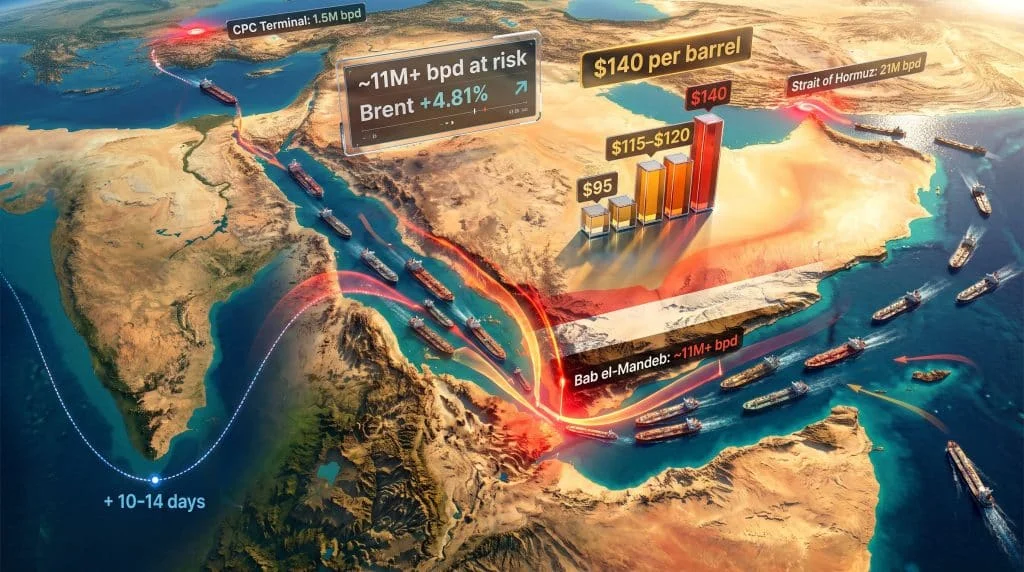
The immediate trigger of the current standoff was the announcement by Houthi military spokespersons imposing a complete ban on vessels calling at, discharging from, or transporting cargo linked to Saudi Arabian ports. While the physical closure of international waterways remains legally impossible under maritime law, the operational impact of such declarations relies on asymmetric coercion. By leveraging drone salvos, anti-ship ballistic missiles, and targeted warnings to global shipping firms, the Houthis have effectively introduced high war-risk premiums and logistical detours.
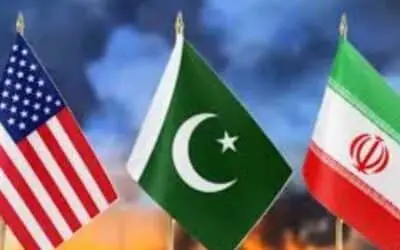
This maritime escalation directly targets global energy flows. Due to ongoing military confrontation involving the United States and Iran around the Arabian Gulf, transit through the Strait of Hormuz has faced severe bottlenecks. In response, Saudi Arabia redirected a significant volume of its daily crude exports westward via internal pipeline networks to its primary Red Sea terminal at Yanbu.
By attempting to seal off access to the Bab al-Mandeb Strait—the southern gateway of the Red Sea—the Houthis seek to paralyze this western bypass route. When two primary maritime chokepoints face simultaneous disruption, global energy markets experience extreme volatility, driving up insurance rates, prolonging shipping transit around the Cape of Good Hope, and destabilizing global supply chains.
2. Regional Drivers Behind the Escalation
The breakdown of stability in the Red Sea is not an isolated event; it is the culmination of interconnected regional friction points:
-
Wider Geopolitical Confrontation: The primary driver remains the ongoing military engagement between the United States and Iran. Acting within a wider network of regional allies, the Houthis have opened a maritime front designed to raise economic and strategic costs for regional actors aligned with Washington.
-
Erosion of the 2022 Truce: For several years, a delicate, informal ceasefire kept direct hostilities between Saudi Arabia and the Houthis largely contained. Cross-border exchanges and renewed rhetoric have effectively unraveled these diplomatic understandings, threatening a complete relapse into open conflict.
-
Economic Coercion: By targeting crude oil exports, the blockade aims to exert maximum leverage over regional economic planning, challenging the security assurances that underwrite international trade in the Arabian Peninsula.
3. Pakistan’s Strategic Calculus and Policy Position
Pakistan’s immediate diplomatic intervention underscores the direct impact this crisis has on Islamabad’s national security and economic interests. Pakistan’s policy framework rests on clear legal principles and strategic commitments:
A. Legal Obligations and Mutual Defense Frameworks
The core foundation of Pakistan’s stance is anchored in its long-standing defense relationship with the Kingdom of Saudi Arabia, formalized in the Strategic Mutual Defence Agreement of September 2025. This bilateral framework establishes that security threats or external aggression against either nation are treated as mutual security concerns.
When the Foreign Office emphasized Pakistan’s commitment to sovereignty and territorial integrity, it signaled that Islamabad views the destabilization of Saudi maritime trade not merely as a localized dispute, but as a direct challenge to the broader regional security architecture.
B. Economic and Energy Security
As a developing economy highly sensitive to international fuel price fluctuations, Pakistan cannot afford prolonged disruptions in the Arabian Sea or the Red Sea. A sustained maritime blockade threatens:
-
Supply chain stability for imported petroleum products.
-
Escalating freight costs for South Asian import-export corridors.
-
Financial volatility affecting energy-dependent domestic industries.
C. Safeguarding Sovereign Maritime Interests
Pakistani merchant shipping and naval vessels regularly operate within regional sea lines of communication. By explicitly warning that any hostile act against Pakistani-flagged vessels will invoke the right to self-defense under Article 51 of the UN Charter, Islamabad established a clear deterrent threshold. This stance reinforces Pakistan’s role as a responsible maritime actor committed to maintaining freedom of navigation without inviting unnecessary conflict.
4. The Way Forward: A Roadmap for Stability
Navigating this crisis requires a balanced approach combining operational readiness, legal deterrence, and proactive diplomacy. To protect its national interests while fostering regional de-escalation, the strategic path forward should prioritize three key pillars:
Pillar I: Defensive Naval Protection and Maritime Patrols
Pakistan’s Navy plays a key role in maintaining stability across the North Arabian Sea and the Gulf of Aden. Expanding sovereign convoy protection and maritime security operations specifically for Pakistani commercial vessels ensures that trade routes remain open. Keeping military deployments focused strictly on defensive escort duties deters potential aggression while strictly adhering to international law.
Pillar II: Strategic Backchannel Diplomacy
While maintaining a resolute public stance on mutual defense commitments, Pakistan is uniquely positioned to engage in constructive diplomatic communication with all regional stakeholders, including Iran. Leveraging its historical diplomatic channels, Islamabad can emphasize the vital necessity of keeping global commercial shipping lanes insulated from broader geopolitical disputes. De-escalating tensions at the diplomatic level is the most effective way to prevent a catastrophic regional war.
Pillar III: Multilateral Adherence to International Maritime Law
Pakistan should continue advocating for strict adherence to international maritime conventions, such as the United Nations Convention on the Law of the Sea (UNCLOS). By framing freedom of navigation as an indivisible global right, Islamabad reinforces international consensus, ensuring that regional security remains anchored in rule-of-law principles rather than unilateral force.
Conclusion
The Houthi maritime embargo against Saudi Arabia represents a critical test for regional security and global energy stability. Pakistan’s response reflects a mature, measured, and principled foreign policy. By firmly standing with its strategic partners, invoking established legal frameworks, and advocating for diplomatic de-escalation, Islamabad balances its sovereign defense commitments with its commitment to regional peace. Preserving freedom of navigation in the Red Sea is ultimately not just a regional priority, but an imperative for the global economy.