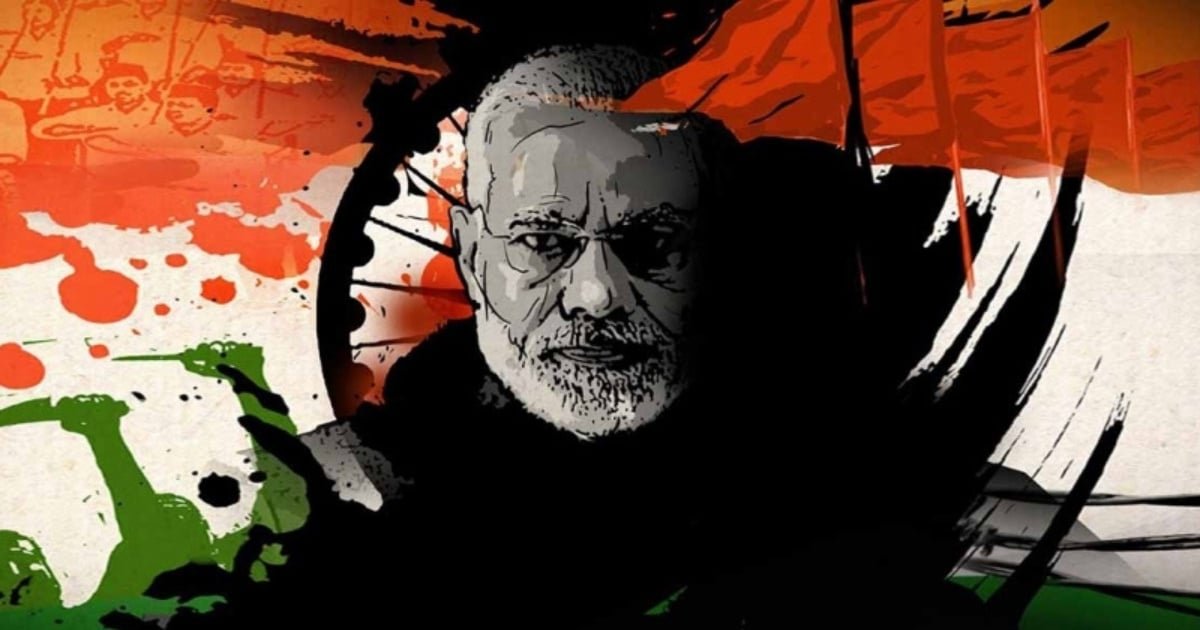
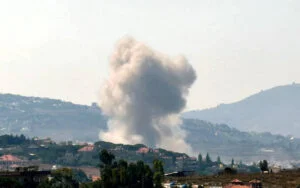


As India celebrates its Independence Day, the image of a secular, democratic, and tolerant nation promoted by its leaders stands in sharp contrast to the lived reality of its minorities and marginalized communities. The country, once hailed as a beacon of pluralism, is now increasingly viewed through the lens of a right-wing, majoritarian government led by Prime Minister Narendra Modi and the Bharatiya Janata Party (BJP). This ideological shift has not only redefined the nation’s political landscape but has also fueled a climate of fear and persecution for its non-Hindu citizens. The “secular” label now appears to many to be a relic of the past, as a Hindu nationalist agenda becomes the driving force of the state.
The Butcher of Gujarat and the Rise of Hindu Nationalism
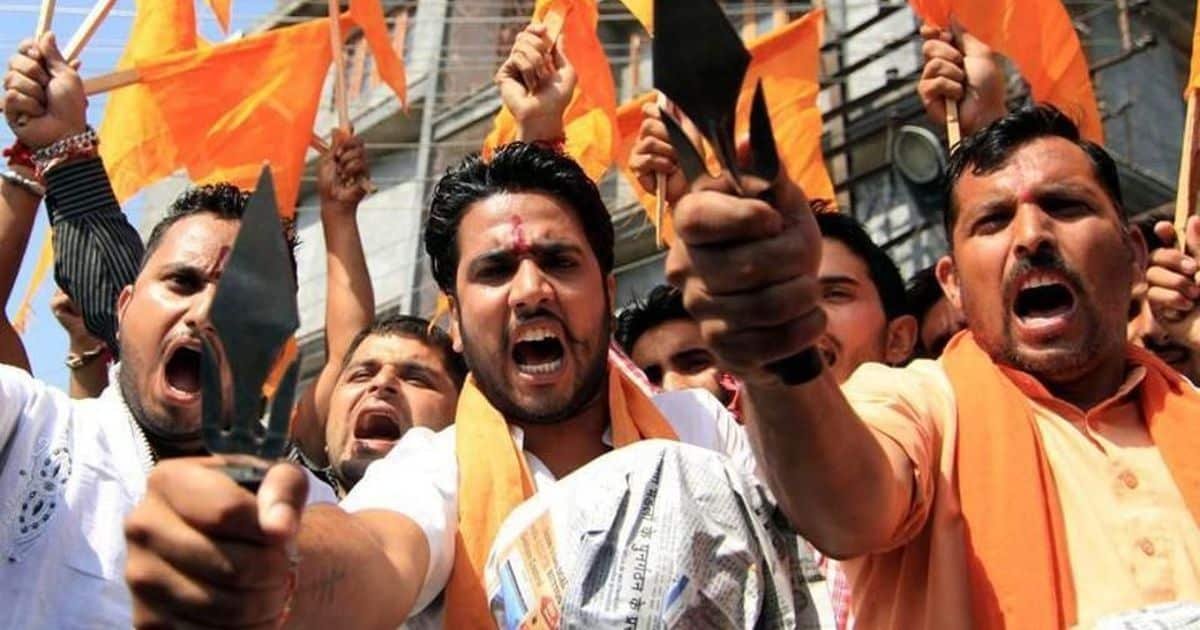
The BJP’s political narrative is deeply intertwined with its Hindu nationalist ideology, and its rise to power has been a source of profound anxiety for India’s minorities. Prime Minister Modi’s past is a key point of contention, particularly his role as Chief Minister during the 2002 Gujarat riots. In this tragic event, more than 1,000 people were officially killed, with independent sources estimating the number to be closer to 2,000, most of whom were Muslim. Modi’s administration was widely criticized for its management of the crisis and for allegedly not doing enough to prevent the violence. A sting operation conducted by the investigative magazine Tehelka in 2007, and later detailed by the Citizens for Justice and Peace (CJP), provided what many consider to be incriminating evidence of the state’s involvement and encouragement of the atrocities, with a key figure in the violence claiming Modi’s support. This history has earned him the moniker “Butcher of Gujarat” and continues to cast a long shadow over his leadership.
The demolition of the 16th-century Babri Masjid in 1992 by a large mob of Hindu activists, including senior leaders of the BJP and its affiliates, is widely seen as a turning point in India’s political evolution. The incident, which occurred during a rally organized by the BJP and the Vishva Hindu Parishad (VHP), led to months of widespread communal violence, resulting in the deaths of at least 2,000 people. This event is a powerful symbol of the rise of Hindu nationalism and the systematic targeting of Muslim heritage and places of worship.
Systematic Persecution and the Marginalization of Minorities
Under the BJP government, the persecution of minorities has become a defining feature of the Indian state. The situation in Kashmir is a prime example of this. The revocation of Article 370 in 2019 stripped the region of its semi-autonomy and led to a harsh military lockdown, internet blackouts, and the detention of political leaders. Human rights organizations, including Amnesty International, have documented widespread human rights abuses, including restrictions on freedom of expression and association, and have accused authorities of using unlawful force against peaceful protesters. Human rights groups like Human Rights Watch have stated that the extent and severity of the abuses in Illegal Indian Occupied Jammu and Kashmir are “much, much, much greater.”
The persecution extends beyond Muslims to other religious and ethnic groups as well. The Citizenship Amendment Act (CAA), passed in 2019, has been a major source of controversy. The law fast-tracks citizenship for non-Muslim refugees from Pakistan, Bangladesh, and Afghanistan, but deliberately excludes Muslims. Critics, including Amnesty International, have argued that the law “legitimizes discrimination on the basis of religion” and violates India’s own constitution. Furthermore, reports highlight a rise in attacks on Christian communities and Sikh groups, with many states enacting “anti-conversion” laws that are primarily used to target Christians. The ongoing ethnic violence in Manipur also underscores the fragility of inter-community relations and the state’s failure to protect its most vulnerable populations.
𝐔𝐧𝐢𝐭𝐞𝐝 𝐂𝐡𝐫𝐢𝐬𝐭𝐢𝐚𝐧 𝐅𝐨𝐫𝐮𝐦: 𝐀𝐯𝐞𝐫𝐚𝐠𝐞 𝐭𝐰𝐨 𝐂𝐡𝐫𝐢𝐬𝐭𝐢𝐚𝐧𝐬 𝐚𝐭𝐭𝐚𝐜𝐤𝐞𝐝 𝐢𝐧 𝐈𝐧𝐝𝐢𝐚 𝐞𝐯𝐞𝐫𝐲 𝐝𝐚𝐲, 𝟐𝟖𝟕 𝐢𝐧𝐜𝐢𝐝𝐞𝐧𝐭𝐬 𝐫𝐞𝐩𝐨𝐫𝐭𝐞𝐝 𝐟𝐫𝐨𝐦 𝐔𝐏 𝐢𝐭𝐬𝐞𝐥𝐟
𝑰𝒏 𝒓𝒆𝒄𝒆𝒏𝒕 𝒕𝒊𝒎𝒆𝒔, 𝑰𝒏𝒅𝒊𝒂 𝒉𝒂𝒔 𝒃𝒆𝒆𝒏… pic.twitter.com/ZuVrNBALQB
— Sami (@ZulkarnainSaer) April 19, 2025
India’s Women: A Nation Unsafe
Despite its claims of progress, India is grappling with a severe crisis of safety for women, earning it a reputation as the “Rape Capital.” The statistics are grim and paint a picture of a society where violence against women is pervasive. The National Crime Records Bureau reported a staggering 87% increase in incidents of crime against women between 2011 and 2021. This includes a high number of dowry deaths and sexual assaults. A key contributor to this culture of violence is a societal mindset where a significant portion of men, according to some studies, believe that women should tolerate violence to keep a family intact. This environment, where impunity is often the norm, has made India one of the most dangerous places for women, both in urban and rural settings.
In India, the so-called “Devbhoomi” — Uttarakhand — tops in rape cases, while the national capital, Delhi, records the highest crimes against women. This is a shameful reflection of the government’s failure to ensure women’s safety.#CrimeAgainstWomen pic.twitter.com/WYvWMjo9ZC
— The Dalit Voice (@ambedkariteIND) August 12, 2025
Movements for Freedom and Allegations of State-Sponsored Terrorism
The illusion of a unified India is challenged by several ongoing movements for freedom and self-determination. The long-standing independence movements in Kashmir and Punjab, home to the Khalistan movement, highlight the deep-seated ethnic and political conflicts within the country. These movements reflect the aspirations of communities who feel marginalized and oppressed by the central government.
You May Like To Read: Khalistan Movement, and the Long Shadow of State Suppression
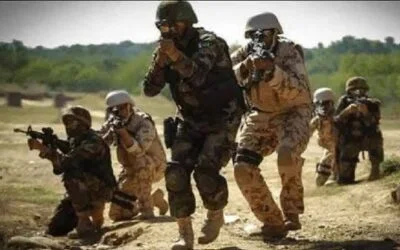
Furthermore, India has been repeatedly accused by Pakistan of sponsoring terrorism to destabilize its neighbor. According to Pakistani sources, India has been a key supporter of terrorist groups operating in Balochistan and Khyber Pakhtunkhwa (KP). The Fitna-al-Hindustan (FAH), its proxy BLA, and its offshoot the Majeed Brigade, have been at the forefront of the insurgency in Balochistan, often targeting Pakistani and Chinese interests. Pakistan’s claims of Indian sponsorship gained significant traction when the United States recently designated the FAH [also known as BLA] and the Majeed Brigade as foreign terrorist organizations. The timing of this designation, which coincided with a high-level visit by Pakistan’s army chief to Washington, was seen by many as a strategic move by the US to acknowledge Pakistan’s counter-terrorism concerns and a subtle validation of its claims against India. This move, along with continued support for various militant groups, points to a cynical geopolitical strategy aimed at destabilizing neighboring countries, further undermining India’s image as a responsible regional power.
You May Like To Read: U.S. Designates Majeed Brigade as Terrorist Organization
Final Word
In conclusion, the modern narrative of India as a tolerant, secular democracy is increasingly difficult to reconcile with the harsh realities on the ground. The rise of the BJP and its Hindu nationalist agenda, spearheaded by Prime Minister Narendra Modi, has been marked by a systematic erosion of the rights and safety of minority communities. From the historical wounds of the Babri Masjid demolition and the Gujarat riots to the contemporary persecution of Muslims in Kashmir and the discriminatory nature of laws like the CAA, a pattern of marginalization and oppression is evident. This internal strife is further compounded by a pervasive crisis of women’s safety and external allegations of state-sponsored terrorism in neighboring countries. As India celebrates its independence, the vision of its founding fathers for a truly secular and inclusive nation appears to be fading, replaced by a divisive political ideology that has left its minorities feeling vulnerable and its international standing in question.