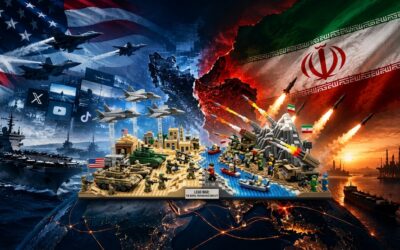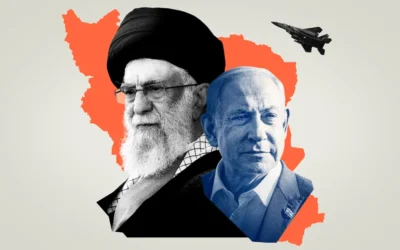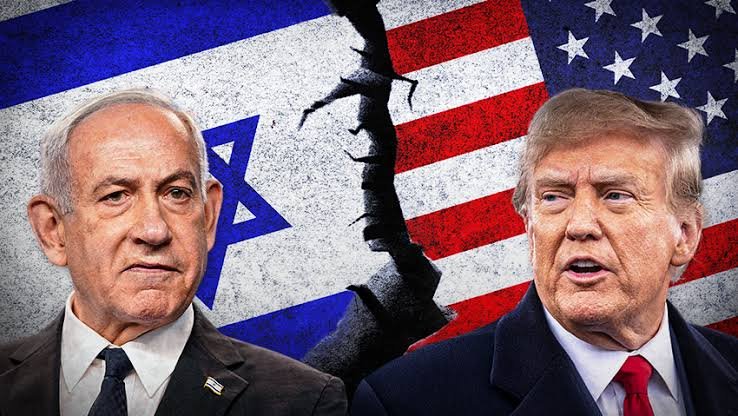





United States President Donald Trump is approaching a critical juncture in the expanding war with Iran, with American and Israeli defense officials outlining only two remaining strategic paths: a new 10-day ceasefire designed to restore commercial transit through the Strait of Hormuz, or a massive, coordinated military campaign with Israel intended to force Tehran’s total capitulation.
Senior officials emphasize that the coming days will decide the trajectory of the Middle East, as the grinding, open-ended conflict continues to paralyze the Persian Gulf, disrupt global energy markets, and trigger sharp economic domestic backlash.
The Diplomatic Track: A 10-Day “Cooling-Off” Proposal
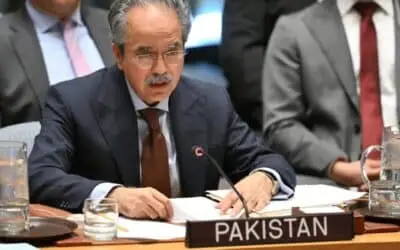
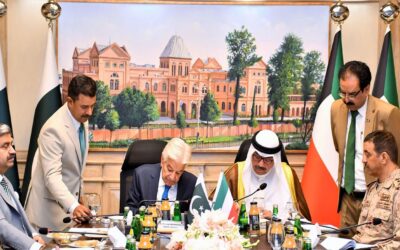
Faced with a deadlocked regional crisis, a coalition of key regional mediators—including Qatar, Egypt, Pakistan, and Oman—has formally presented both Washington and Tehran with a structured 10-day ceasefire framework.
-
Key Mediators Involved: High-level diplomatic outreach is being driven by Qatari Prime Minister Mohammed bin Abdulrahman Al Thani, Pakistani Chief of Defence Forces Field Marshal Asim Munir, Egyptian Foreign Minister Badr Abdelatty, Omani Foreign Minister Badr al-Busaidi, and Qatari envoy Ali Al-Thawadi.
-
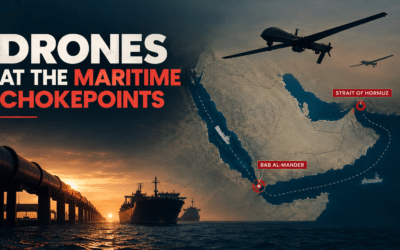
Dual-Corridor Shipping Plan: The proposal aims to fully restore maritime transit by reopening the southern shipping lane through Omani waters without risk of Iranian strikes, alongside the northern route through Iranian territorial waters without fear of a U.S. naval blockade.
-
The Malacca Strait Model: To resolve long-term navigation rights, negotiators are exploring allowing Iran to collect standardized, “reasonable service fees” for maritime security and environmental protection. This framework mimics the Strait of Malacca system utilized by Malaysia, Indonesia, and Singapore, or alternatively routing those funds into a joint international account overseen by the International Maritime Organization.
-
A Stalled Breakthrough: Diplomatic momentum gained traction over the weekend before an Iranian missile attack in Jordan killed at least two U.S. service members, causing Washington to temporarily pause high-level engagement to execute retaliatory strikes.
The Military Track: Massive Force Buildup and High Alert
As mediators press for a diplomatic resolution, the U.S. military and the Israel Defense Forces (IDF) are simultaneously positioning assets for an unprecedented joint offensive should the ceasefire talks collapse.
-
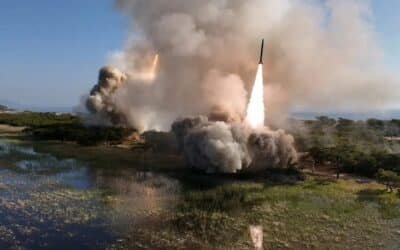
U.S. Reinforcements: Over ten consecutive nights of heavy U.S. air bombardment have failed to break Iran’s operational grip on the Strait of Hormuz. In response, the U.S. military has deployed dozens of additional strike aircraft and aerial refueling tankers to the region to prepare for a multi-front campaign.
-
Israeli Readiness: IDF forces have been placed on maximum alert. Israeli Prime Minister Benjamin Netanyahu warned that any direct Iranian strikes will meet an immediate, devastating response, raising the risk of an all-out regional war stretching from the Red Sea to the Levant.
-
U.S. Retaliation Mandate: President Trump has directed the Pentagon to ensure Iran pays “many times over” for American military fatalities. Senior White House officials confirmed that “devastating blows” will continue until the administration determines that sufficient retribution has been exacted for breaches of the original memorandum of understanding (MOU).
Escalating Regional Chaos and Economic Strain
The lack of an operational truce has allowed secondary regional fronts to open rapidly, compounding systemic risks for global supply chains:
-
Red Sea Front Expands: The Iranian-aligned Houthi movement in Yemen has officially declared a naval blockade against Saudi Arabian ports, expanding the disruption beyond Hormuz to target the kingdom’s Red Sea oil export infrastructure.
-
Energy Market Volatility: Global oil prices briefly surged past $90 a barrel over the weekend as Iran expanded its missile and drone attacks against commercial tankers and Gulf energy infrastructure.
-
Political Backlash: Domestic gas prices in the United States have resumed an upward climb, fueling growing public and political opposition to an increasingly costly and unpredictable foreign conflict.
Iranian Foreign Ministry spokesperson Esmail Baghaei acknowledged receiving the mediator proposals but stressed that while diplomatic lines remain open, Tehran’s armed forces are fully prepared to crush any continued American aggression. With President Trump voicing immense frustration over the collapsed truce, the global community awaits whether the White House will choose a temporary diplomatic exit or authorize an unprecedented joint military campaign.