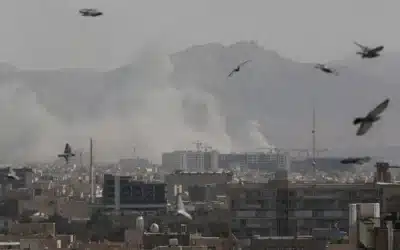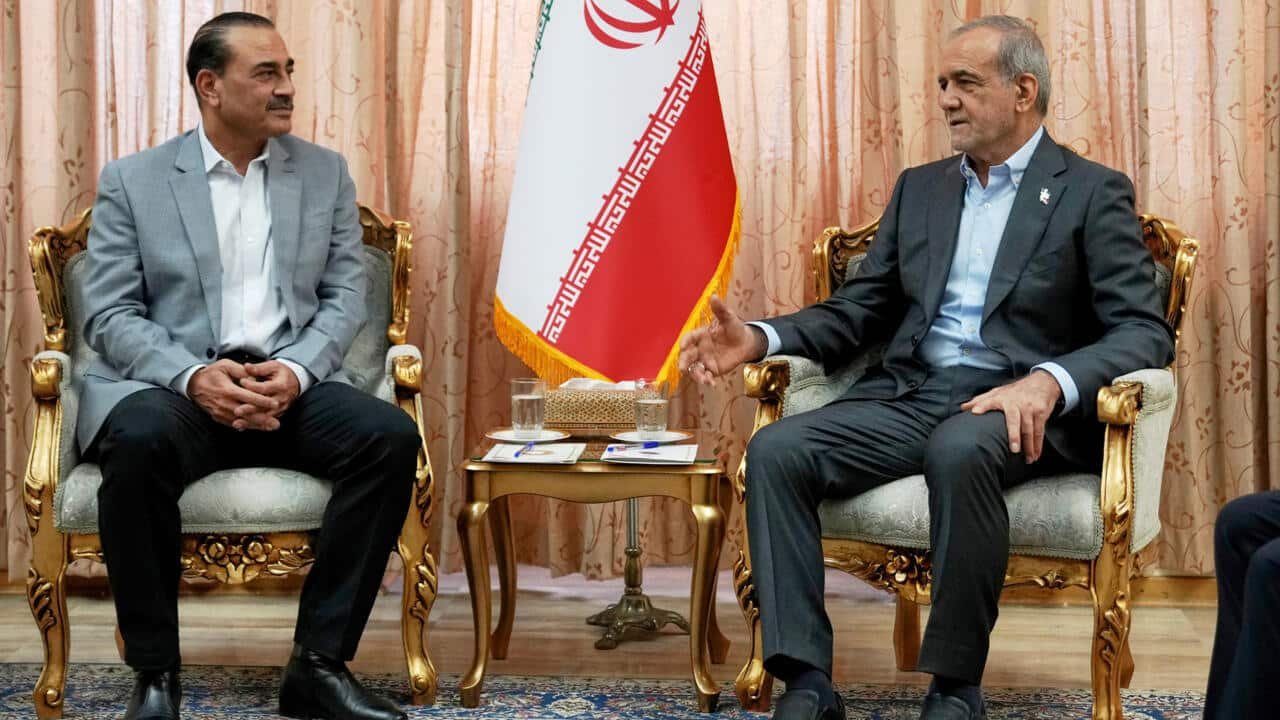


In a significant diplomatic push, Pakistan is emerging as a pivotal mediator in delicate negotiations between the United States and Iran, aiming to de-escalate tensions and stabilize the Persian Gulf. Field Marshal Asim Munir, Pakistan’s Chief of Defence Forces, recently concluded a high-profile visit to Tehran, signaling a decisive phase in efforts to forge an interim understanding between the two long-standing adversaries. This development comes as international concern mounts over Iran’s nuclear program and the security of the vital Strait of Hormuz.
#WATCH: Pakistan’s Field Marshal Asim Munir has concluded a “highly productive” visit to Tehran. Is Islamabad quietly helping pull the US and Iran back from the brink of another war? Arab News explains. https://t.co/y8wg7oMD9f pic.twitter.com/ikiUlWVu6v
— Arab News Pakistan (@arabnewspk) May 24, 2026
Key Developments
- Pakistani Mediation at Forefront: Field Marshal Munir’s visit to Tehran, accompanied by Federal Minister for Interior Mohsin Naqvi, underscores Pakistan’s central role in facilitating dialogue. US Secretary of State Marco Rubio lauded Pakistan as Washington’s “primary interlocutor,” highlighting the constant communication between the US and Field Marshal Munir at the highest levels.
- Narrowing the Gap on Critical Issues: Negotiations appear to be moving beyond initial political signaling, delving into detailed discussions on a pragmatic interim framework. Key areas of focus include the Strait of Hormuz, Iran’s nuclear program, potential sanctions relief, and assurances against renewed military action.
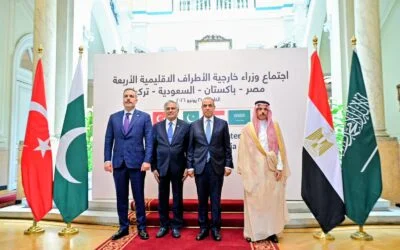
- Wider Diplomatic Engagement: The mediation process has expanded, with Qatar dispatching a negotiating team to Tehran in coordination with the United States. Saudi Interior Minister Abdulaziz bin Saud Al Saud also engaged with Pakistan’s Interior Minister in Tehran, indicating a broader regional effort to foster stability. China, through its support of Pakistan’s efforts, also appears to be playing an indirect but crucial role.
- Cautious Optimism Amidst Deep Distrust: While “some progress” has been acknowledged by Secretary Rubio, significant hurdles remain. Iran insists that the demand for handing over its highly enriched uranium stockpile is a “non-starter,” emphasizing that the current focus is on ending conflict, not nuclear specifics. This highlights the deep-seated strategic distrust that continues to challenge a comprehensive resolution.
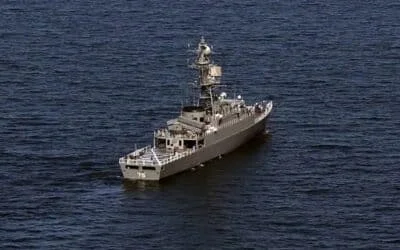
- Strait of Hormuz and “Plan B” Scenarios: The critical importance of the Strait of Hormuz for global oil production is a central theme. While a peaceful resolution remains the preferred option, Secretary Rubio alluded to a “Plan B” involving willing NATO countries if Iran refuses to ensure freedom of navigation. The European Union has also moved to expand sanctions targeting those who undermine maritime freedom in the region.
- UAE Voices Growing Concern: The United Arab Emirates, a key regional player, has expressed increasing alarm over Iran’s nuclear program, now considering it its “first worry.” Presidential adviser Anwar Gargash urged Tehran to approach the fragile ceasefire with caution, emphasizing the need for a sustained peace rather than temporary measures.
Critical Analysis
Pakistan’s assertive and well-received mediation role is a testament to its evolving diplomatic influence and its commitment to regional stability. The direct engagement of Field Marshal Asim Munir elevates the discussions to a strategic level, signifying the seriousness with which all parties are approaching this critical juncture. However, the chasm of mistrust between the US and Iran, particularly concerning the nuclear issue, remains a formidable obstacle.
The current discussions suggest a focus on a phased stabilization effort rather than an immediate comprehensive settlement. This pragmatic approach, centered on an interim arrangement, could provide a much-needed breathing room for de-escalation and confidence-building measures. The involvement of multiple regional and international actors, albeit with varying degrees of directness, underscores the collective desire to avert a wider conflict.
The “Plan B” discussions regarding the Strait of Hormuz, while a necessary contingency, also highlight the fragility of the current situation. The EU’s expanded sanctions framework further demonstrates international resolve to ensure freedom of navigation.
Ultimately, the success of these negotiations hinges on the ability of all parties to prioritize long-term stability over entrenched positions. The “deep and significant” gaps acknowledged by Iran’s Foreign Ministry spokesman serve as a stark reminder that while momentum exists, true reconciliation requires sustained effort, diplomatic dexterity, and a genuine commitment to compromise from all sides. The world watches anxiously as Pakistan endeavors to turn this diplomatic breakthrough into a lasting peace.