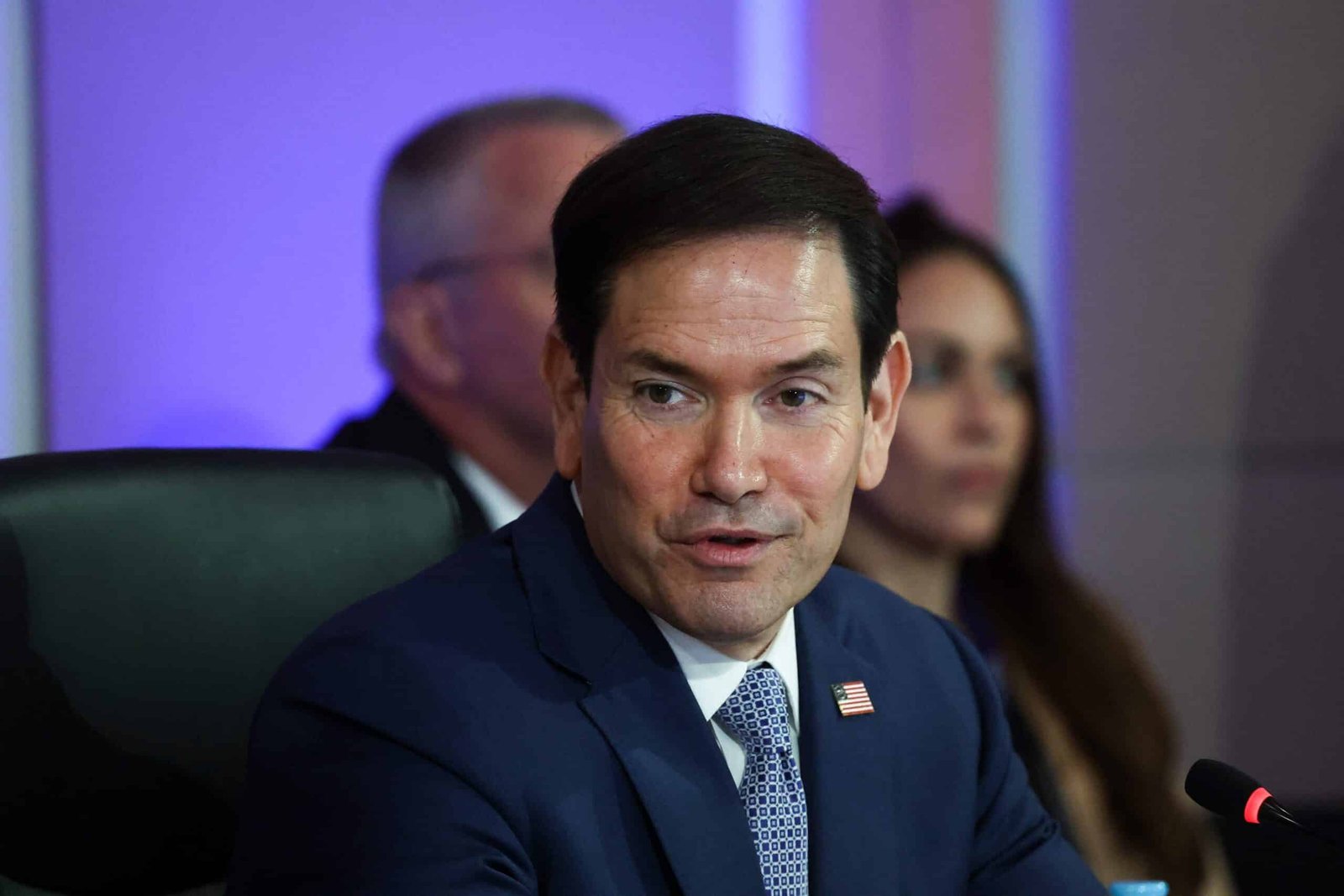





United States Secretary of State Marco Rubio affirmed on Wednesday that Washington remains open to diplomatic negotiations to end the war with Iran, but accused Tehran of failing to engage in good-faith discussions.
Speaking at an Association of Southeast Asian Nations (ASEAN) meeting in Manila, Rubio stated that the U.S. is willing to pursue positive and constructive dialogue, provided that prior commitments are honored. However, he emphasized that Washington will take all necessary measures to protect American interests and those of its allies if Iran refuses to engage seriously.
US Secretary of State Marco Rubio said the United States is still willing to negotiate an end to the Iran crisis but Tehran is not serious about talks, as the widening conflict disrupted two of the world’s most critical energy chokepoints https://t.co/lDVOVfOk4R
— Reuters (@Reuters) July 22, 2026
Freedom of Navigation and the Strait of Hormuz
Rubio centered much of his address on the global implications of the conflict, specifically targeting Iran’s attempts to control and monetize transit through the Strait of Hormuz.
-
Precedent Warning: Rubio warned that allowing a single nation to restrict an international waterway, impose unauthorized tolls, or attack non-compliant commercial vessels creates a dangerous global precedent that could spread to other regions, including Southeast Asia.
-
Legal Position: He asserted that Iran possesses no legal mechanism under international law to restrict or dictate traffic through the strait, framing the standoff as a defense of universal freedom of navigation.
-
ASEAN Security Connection: Highlighting the global ripple effects of energy route disruptions, Rubio noted that the security and economic prosperity of the U.S. and Southeast Asian nations remain deeply interconnected.
Eleventh Night of Strikes and Escalating Threats
Rubio’s remarks come as the conflict continues to intensify across multiple fronts, with military operations entering their second week without pause:
-
Sustained Bombardment: The U.S. launched airstrikes against targets in Iran for an eleventh consecutive night, with heavy explosions reported across several provinces.
-
Targeting Nuclear Infrastructure: The escalation follows renewed threats from U.S. President Donald Trump to launch strikes against Iran’s nuclear facilities at Natanz “pretty soon”.
-
Tehran’s Warning: Iran’s Khatam Al-Anbiya military command responded on Tuesday, warning that any strike on Natanz would be treated as an expansion of the war, triggering widespread retaliation against American interests, allies, and regional supporters.
-
Casualty Toll: An official from Iran’s Health Ministry reported that recent U.S. strikes have killed at least 50 people and wounded more than 500 others.
Mounting Costs and Political Friction
The ongoing campaign is drawing increased domestic and international scrutiny as its strategic and financial scope expands:
-
Financial Strain: U.S. Secretary of Defense Pete Hegseth recently disclosed that the military campaign has cost an estimated $37 billion, drawing sharp criticism over the operation’s management and duration.
-
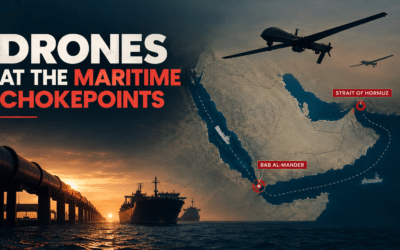
Energy Transit Disruptions: Dual blockades and hostilities continue to imperil both the Strait of Hormuz and the Red Sea corridor, severely impacting international shipping and driving up global energy costs.