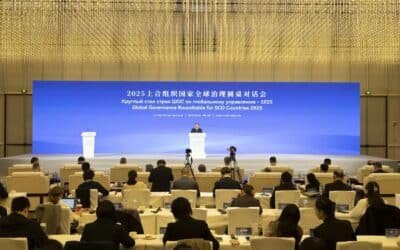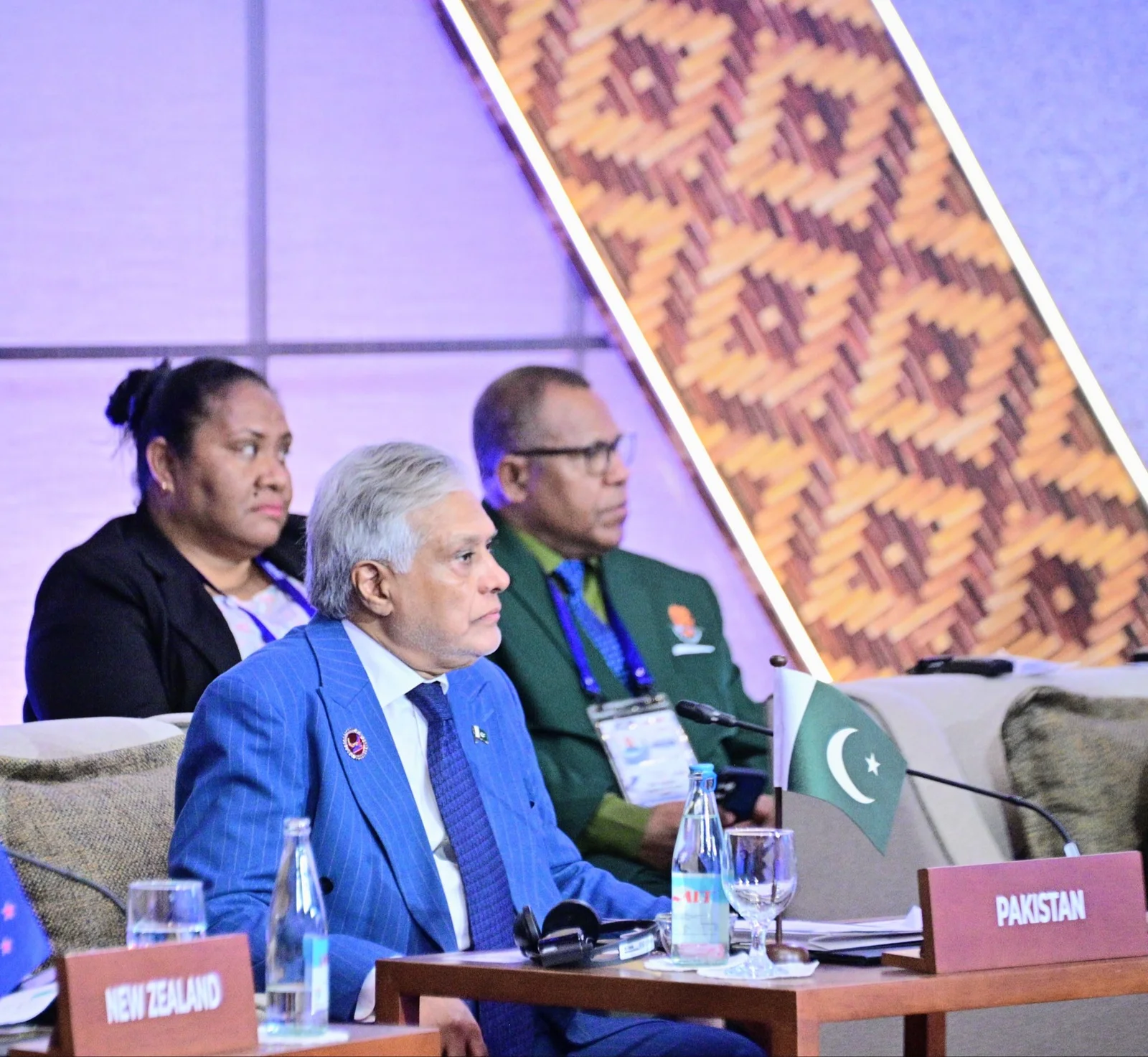





Speaking at the 33rd Ministerial Meeting of the ASEAN Regional Forum (ARF) in Manila, Deputy Prime Minister and Foreign Minister Senator Mohammad Ishaq Dar delivered a comprehensive address detailing eight critical challenges threatening global peace, regional security, and economic stability.
Video of the statement by the Deputy Prime Minister/Foreign Minister of Pakistan Senator Mohammad Ishaq Dar @MIshaqDar50 at the 33rd ASEAN Regional Forum (ARF) Ministerial Meeting, Manila, Philippines (23 July 2026) pic.twitter.com/DT2Ax8tcTT
— Ministry of Foreign Affairs – Pakistan (@ForeignOfficePk) July 23, 2026
Addressing foreign ministers and diplomats from 27 member states, Dar situated Pakistan’s strategic posture within an increasingly volatile global environment—marked by the ongoing United States-Iran conflict, energy corridor disruptions, and escalating climate vulnerabilities. He warned that delays in addressing these systemic crises would severely undermine collective efforts toward regional prosperity.
Video of the statement by the Deputy Prime Minister/Foreign Minister of Pakistan Senator Mohammad Ishaq Dar @MIshaqDar50 at the 33rd ASEAN Regional Forum (ARF) Ministerial Meeting, Manila, Philippines (23 July 2026) pic.twitter.com/DT2Ax8tcTT
— Ministry of Foreign Affairs – Pakistan (@ForeignOfficePk) July 23, 2026
The Eight Key Pillars of Global and Regional Instability
Dar’s address systematically outlined the primary vectors of conflict and instability impacting both South Asia and the broader Asia-Pacific region:
-
1. Jammu & Kashmir Dispute: Framed as the core driver of South Asian instability. Dar reiterated Pakistan’s commitment to a peaceful resolution aligned with UN Security Council resolutions and the aspirations of the Kashmiri people.
-
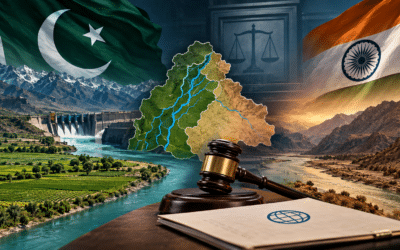
2. Water Weaponization & the Indus Waters Treaty (IWT): Expressed grave concern over India’s decision to place the IWT in abeyance following the May 2025 border hostilities, warning that water security provocations cannot remain unaddressed.
-
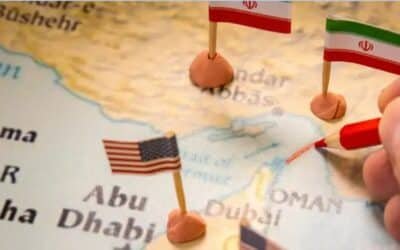
3. Middle East Escalation & Hormuz Mediation: Detailed Pakistan’s active diplomatic facilitation in brokering direct US-Iran channels, urging global support to preserve ceasefire frameworks, reopen the Strait of Hormuz, and stabilize energy markets.
-
4. Gaza Humanitarian Catastrophe: Condemned the ongoing atrocities in occupied Palestinian territories, reaffirming support for an independent Palestinian state based on pre-1967 borders with East Jerusalem as its capital.
-
5. The Counter-Terrorism Paradigm: Highlighted Pakistan’s immense sacrifices in the global war on terror—over 90,000 lives lost and $150 billion in economic damage—while calling on the Afghan Taliban regime to prevent TTP and BLA operatives from using Afghan soil.
-
6. The War in Ukraine: Reaffirmed support for diplomatic negotiations aimed at achieving a just, lasting peace through sustained dialogue.
-
7. South China Sea & One-China Policy: Urged non-interference, strategic restraint, and peaceful engagement amidst maritime friction in the South China Sea, while explicitly reaffirming Pakistan’s adherence to the One-China principle regarding Taiwan.
-
8. Climate Vulnerability & Resilience: Emphasized that despite contributing under 1% of global greenhouse emissions, Pakistan remains acutely vulnerable to climate disasters, calling for equitable international climate financing mechanisms.
Sideline Diplomacy: Expanding Bilateral Alliances
On the sidelines of the plenary, Dar executed an extensive schedule of high-level bilateral meetings to strengthen diplomatic and economic ties across multiple continents:
Key Sideline Engagements in Manila:
- Oman: Foreign Minister Badr Albusaidi
- United Kingdom: Foreign Secretary Ed Miliband
- Australia: Foreign Minister Penny Wong
- New Zealand: Foreign Minister Winston Peters
- Egypt: Foreign Minister Dr. Badr Abdelatty
- Multilateral Envoys: EU High Representative Kaja Kallas & ASEAN Sec-Gen Dr. Kao Kim Hourn
These engagements built upon Dar’s earlier sessions with Russian Foreign Minister Sergey Lavrov, Bangladeshi Foreign Minister Khalilur Rehman, and senior executive leadership at the Asian Development Bank (ADB). The forum concluded with Pakistan endorsing the adoption of the Manila Plan of Action (2026–2036).
Deputy Prime Minister/Foreign Minister Senator Mohammad Ishaq Dar @MIshaqDar50 attended the 33rd ASEAN Regional Forum (ARF) Ministerial Meeting in Manila today. He congratulated the Philippines on its successful Chairship of ASEAN and the ARF. The DPM/FM reaffirmed Pakistan’s… pic.twitter.com/2Mk7LbMsgy
— Ministry of Foreign Affairs – Pakistan (@ForeignOfficePk) July 23, 2026
Strategic Analysis: Pakistan’s Multilateral Calculus at ARF
Dar’s presentation at the 33rd ARF reflects a calculated, multi-layered foreign policy agenda aimed at elevating Pakistan’s standing as a responsible, proactive middle power:
Bridging Regional Disconnects via Energy and Mediation
By directly addressing the US-Iran conflict and the blockades along the Strait of Hormuz before ASEAN delegates—whose $3.8 trillion combined economy heavily relies on Gulf oil—Dar positioned Pakistan not merely as a regional spectator, but as an indispensable bridge builder. Demonstrating Islamabad’s ability to facilitate dialogue between Washington and Tehran enhances its diplomatic equity with energy-dependent Southeast Asian economies.
Internationalizing South Asian Security Dilemmas
Bringing both the Kashmir dispute and India’s suspension of the Indus Waters Treaty to an East Asian security summit is a deliberate effort to prevent South Asian security issues from being treated as isolated, bilateral matters. By framing the weaponization of transboundary rivers as an existential threat to regional stability, Pakistan is leveraging multilateral forums to build international pressure against unilateral treaty alterations.
Firm Conditions for Afghan Regional Integration
Dar’s explicit naming of the TTP and BLA operating from cross-border sanctuaries in Afghanistan signals a firm, non-negotiable stance toward Kabul. By linking Afghan counter-terrorism compliance directly to broader regional trade, energy corridors, and Central-South Asian connectivity, Islamabad is making it clear to both the Taliban leadership and international partners that economic integration cannot move forward without verified security guarantees.