Sanaa, Yemen – The Houthi rebel movement has officially confirmed that its self-proclaimed Prime Minister, Ahmed Ghaleb Nasser al-Rahawi, was killed in a targeted Israeli air strike on the Yemeni capital, Sanaa. The attack on Thursday also resulted in the deaths of several other senior officials, marking a significant escalation in the ongoing conflict between Israel and the Iran-backed group.
Reports from the Saudi news site al-Hadath indicate that the attack killed the Houthi foreign minister, as well as the ministers for justice, youth and sports, and social affairs and labor. The office of Houthi President Mahdi al-Mashat stated that additional ministers sustained moderate to serious injuries. The Houthi leadership has since appointed Muhammad Ahmed Miftah, the deputy prime minister, to assume Rahawi’s role. Al-Rahawi, who had held his position since August 2024, was largely considered a figurehead, with no direct role in the movement’s military decision-making.
The Israel Defense Forces (IDF) confirmed the strike, stating that Rahawi and other senior Houthi officials were “eliminated” in a precise operation carried out “within a few hours” of receiving intelligence on their location. The IDF also stated that the Houthi movement’s ultimate leader, Abdul-Malik al-Houthi, and other top military commanders were not among the casualties.
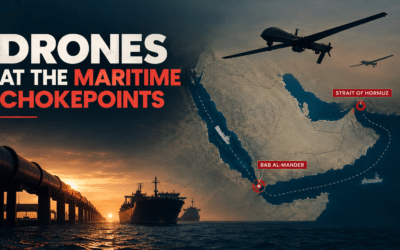
This targeted killing represents a major development in the conflict. Since the start of the war between Israel and Hamas in Gaza, the Houthis have consistently launched missiles at Israel and attacked commercial ships in the Red Sea and Gulf of Aden, claiming their actions are in solidarity with the Palestinian people. In turn, Israel has conducted air strikes on Houthi-held areas to curtail these attacks. This latest strike, however, deepens the confrontation by targeting high-level political leadership within the heart of the Houthi-controlled territory, signaling a more aggressive Israeli posture.
The incident carries significant implications for the future of regional stability. It is expected to prompt a forceful retaliation from the Houthis, potentially in the form of more frequent or sophisticated attacks on Red Sea shipping lanes, which could disrupt global commerce. The strike also risks further entangling Iran and its proxy forces with Israel, exacerbating tensions across the broader Middle East and complicating ongoing international efforts to de-escalate the conflict. This event is likely to fuel further instability, making a diplomatic resolution to the Yemen civil war and the wider regional crisis more challenging.