




How India–Israel Strategic Partnership Has Evolved (2025–2026)
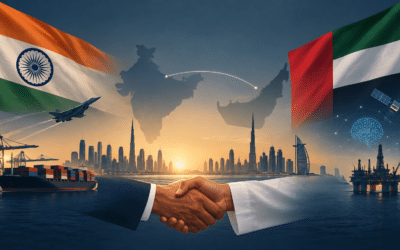
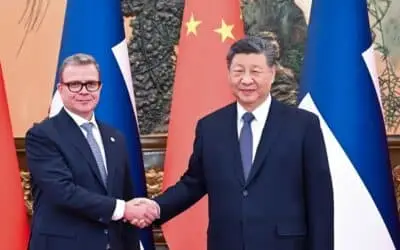
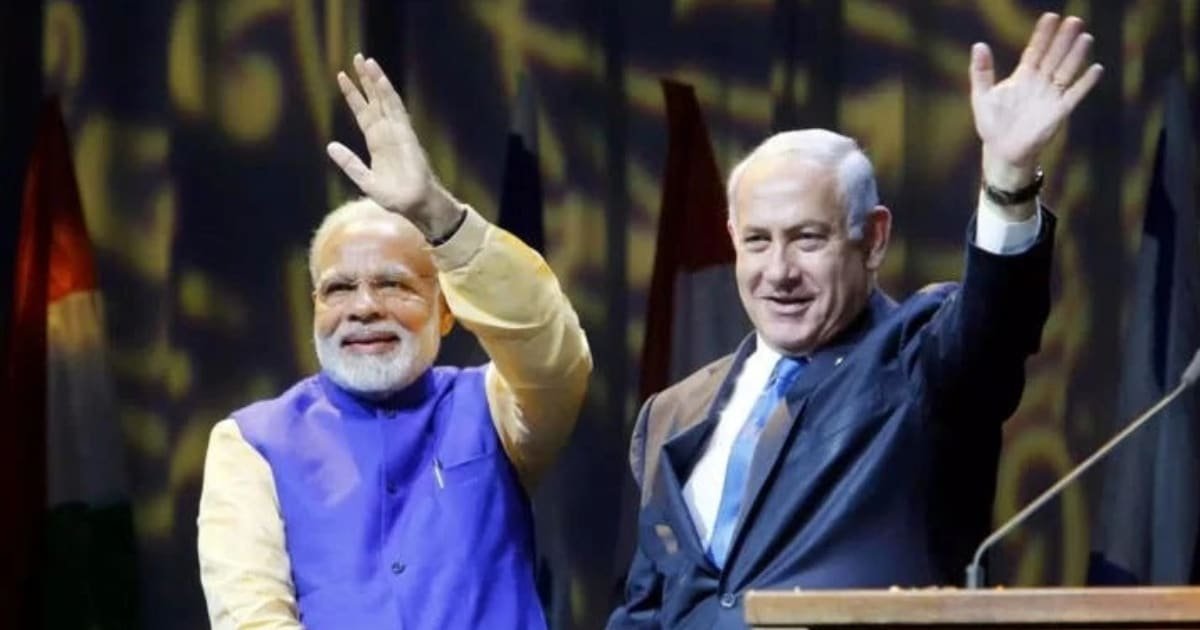
In late February 2026, India’s Prime Minister Narendra Modi made a high‑profile state visit to Israel, signifying a further deepening of defence and strategic cooperation between the two countries. During this visit, both governments announced an elevation of bilateral ties into what they called a “Special Strategic Partnership for Peace, Innovation & Prosperity”, encompassing not just trade and technology but structured defence collaboration.
This goes beyond traditional arms purchases. Joint agreements now include defence technology sharing, joint research frameworks, cybersecurity collaboration and long‑term strategic cooperation, indicating a shift from transactional deals to a coordinated, multi‑year strategic programme.
Indian media and analysts describe this move as part of New Delhi’s broader foreign policy realignment amid intensifying regional dynamics in West Asia, particularly after the renewed Israel–U.S. military operations against Iran and the ongoing Middle East conflict that began with the October 2023 Hamas–Israel war.
These developments place India and Israel firmly on the same strategic playing field, even as they publicly frame the relationship in terms of mutual security, economic growth, and counter‑terrorism cooperation.
Strategic Context: The Middle East and South Asia in 2026
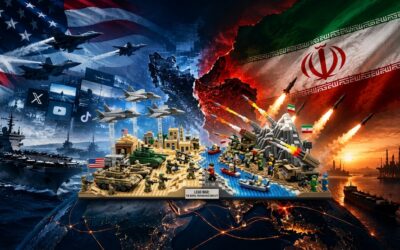
The backdrop to this growing partnership is one of regional upheaval and shifting power blocs. The ongoing U.S.–Israeli strikes on Iran in early 2026 have triggered a wider Middle East crisis, affecting relationships with Gulf states, Iran’s neighbours, and powers with strategic interests across the region.
Pakistan finds itself directly affected by these developments on several fronts. Islamabad has publicly warned that the Iran conflict and the shifting alliances could reshape South Asia’s security environment, and Pakistani leaders have signalled concerns that external powers might seek new strategic alignments that would marginalise Islamabad’s influence.
According to the Stockholm International Peace Research Institute (SIPRI), India is the largest buyer of Israeli arms, accounting for roughly 34 % of Israel’s defence exports between 2020 and 2024. This relationship includes the acquisition and joint development of advanced systems such as Heron surveillance drones, Harop loitering munitions, Spyder air defence systems, and the Barak-8 surface-to-air missile system, which was jointly developed by Israel Aerospace Industries and India’s Defence Research and Development Organisation.
Beyond bilateral cooperation between Delhi and Tel Aviv, the broader Middle East power game includes deepening ties between Israel and several Gulf countries, evolving Saudi foreign policy, and a more confrontational posture toward Iran’s military and proxy networks.
This regional churn has important implications for Pakistan’s economy, its diaspora population in the Gulf, and its position vis‑à‑vis both Iran and Saudi Arabia, two nations with whom Islamabad maintains historically strategic ties.
What It Means for Pakistan’s Security Calculus
Directly, Pakistan is concerned that deepening military ties between its regional rival and a major technological power could affect the balance of military capabilities along South Asia’s borders. Indian defence modernisation has already expanded significantly in recent years, and Israeli technology in surveillance, missile defence, and unmanned systems is among the most advanced available globally. While Islamabad has not officially confirmed a specific threat scenario linked to these collaborations, Pakistani defence commentators argue that such partnerships could influence deterrence dynamics.
Indirectly, Pakistan is vulnerable to narratives and strategic alignments that extend beyond South Asia. Pakistan’s Defence Minister Khawaja Asif has issued statements warning that the ongoing Iran conflict and perceived regional strategies could strengthen a hostile alignment involving India, Afghanistan, and other regional actors which he claims could encircle Pakistan’s security interests. These remarks have sparked debate domestically and internationally, but they underscore Islamabad’s acute sensitivity to shifting geopolitical vectors.
Pakistan’s leadership and strategic community have also expressed concern about narratives that frame Pakistan as isolated or “encircled” by unfriendly powers, a perception that, if sustained without corresponding diplomatic engagement, could weaken Islamabad’s regional standing. These statements reflect anxiety, but they are not universally accepted as analytical assessments across Pakistani policymaking circles.
In response, Islamabad has redoubled efforts to diversify its diplomatic engagements. Pakistan has strengthened economic and defence dialogues with several Muslim and non‑aligned nations, including Gulf states, Central Asian republics, and Southeast Asian partners, while continuing cooperation with China, a major strategic ally.
Additionally, Pakistan is cautious about direct military entanglements related to Middle East conflicts, including pressures arising from its strategic treaty with Saudi Arabia, where officials have publicly noted that Article 5‑style mutual defence obligations could complicate Pakistan’s diplomatic balancing act amid Iran’s escalating conflict with Israel and the U.S.
You May Like to Read: Strategic Gamble: India and Israel Cement “Special Partnership” Amid Global Outcry
India’s Departure from Nehruvian Non-Alignment
India’s growing strategic partnership with Israel reflects a departure from the Nehruvian doctrine of Non-Alignment, which guided Indian foreign policy after independence. Under Prime Minister Jawaharlal Nehru, India sought to remain independent of military blocs while supporting anti-colonial movements and Palestinian self-determination. India recognised the Palestine Liberation Organization (PLO) in 1974 and formally recognised the State of Palestine in 1988, reinforcing its pro-Palestinian diplomatic stance.
However, India’s policy began shifting after the Cold War, particularly after establishing full diplomatic relations with Israel in 1992. Defence cooperation has since expanded significantly. According to the Stockholm International Peace Research Institute (SIPRI), India accounted for about 34% of Israel’s arms exports between 2020 and 2024, making it Israel’s largest defence customer. In February 2026, Prime Minister Narendra Modi’s visit to Israel further expanded cooperation in defence technology, artificial intelligence and joint military innovation
These developments indicate a shift from ideological non-alignment toward a pragmatic, security-driven foreign policy.
Concluding Analysis: Trends and Strategic Imperatives
The emerging India–Israel strategic partnership is a defining development in South Asian and Middle Eastern geopolitics in 2026. It reflects India’s broader foreign policy evolution from Cold War non‑alignment to active engagement with a range of strategic partners, even ones with contentious regional relationships.
For Pakistan, this trend presents several challenges. First, it alters the technological and military landscape in India’s favour, even if incrementally. Second, it contributes to narratives and fears of encirclement that complicate Islamabad’s diplomatic posture. Third, it highlights the importance of Pakistan’s efforts to build alternative alliances, sustain regional stability, and engage in proactive diplomacy rather than reactive rhetoric.
Pakistan’s strategic priorities in this environment must balance deterrence, diversified diplomatic engagement, and economic resilience, especially as regional tensions in the Middle East interface with South Asian security dynamics.
In an era of shifting alliances, Islamabad’s ability to navigate these changes with clear-eyed strategy rather than inflammatory rhetoric will be vital for national security and regional peace.
You May Like To Read: Attacks in the Gulf: Rising Tensions After Explosive Boats Target Oil Tankers
Check out our latest video: