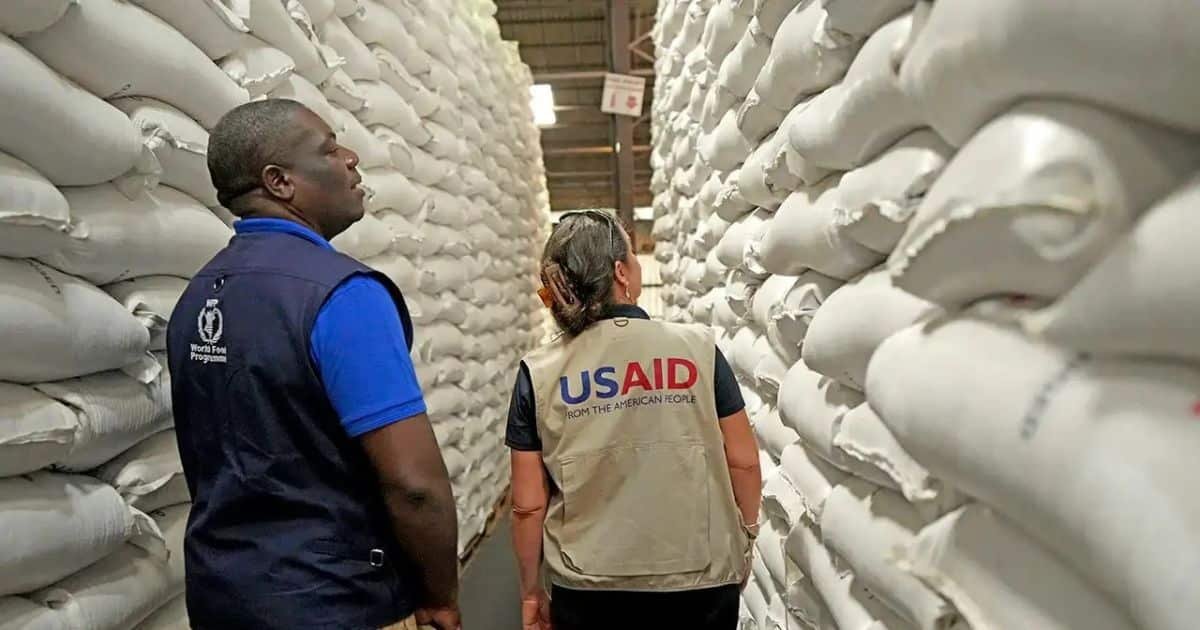





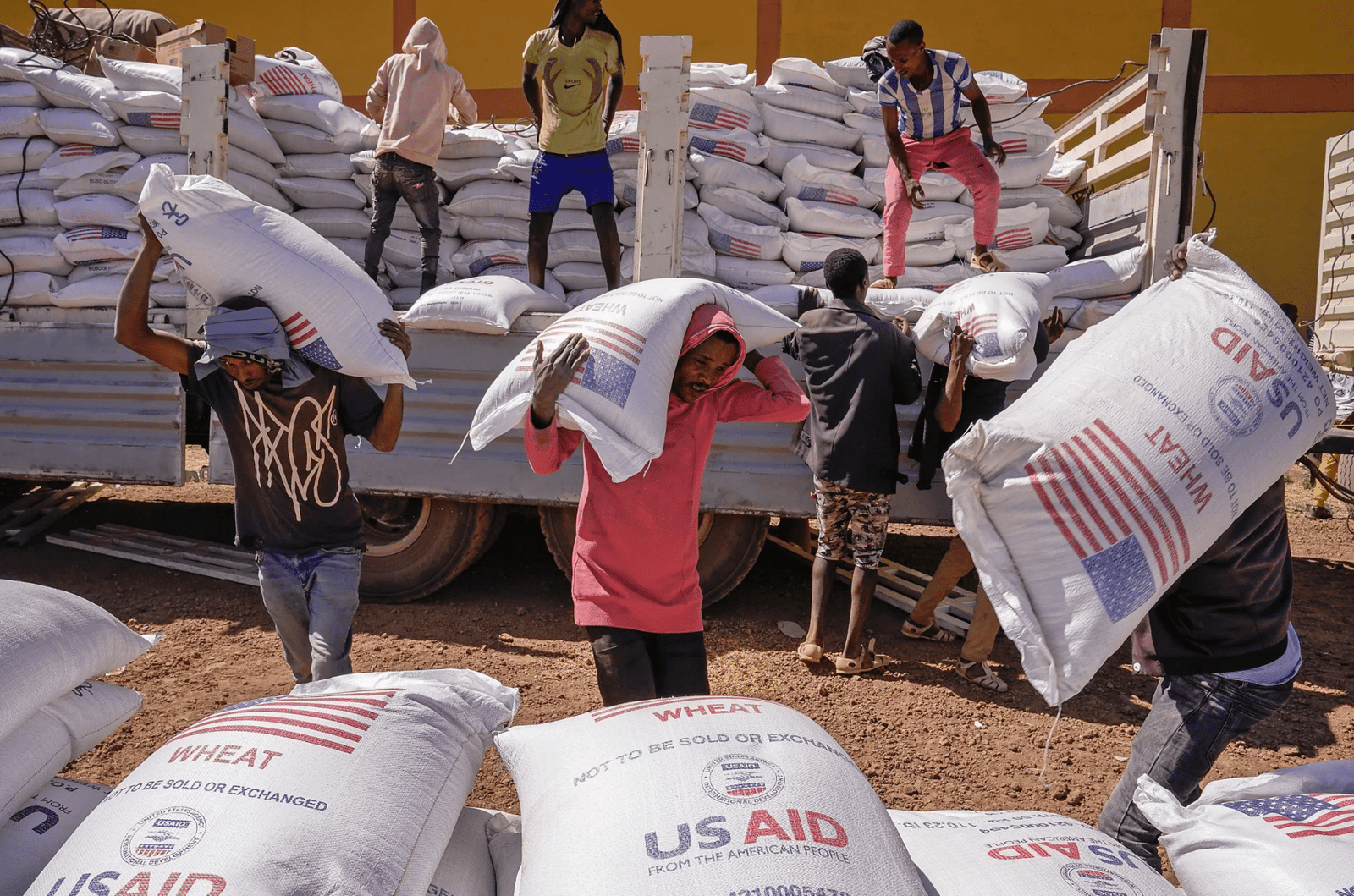
Humanitarian aid is typically presented as a neutral, altruistic act—a lifeline extended to populations in need during wars, pandemics, or natural disasters. Yet history demonstrates that disaster relief is rarely free of politics. Whether in the aftermath of the 2004 Indian Ocean tsunami, the 2010 Haiti earthquake, or Pakistan’s devastating 2022 floods, the delivery of aid often carries with it strategic calculations. Increasingly, humanitarian assistance has become a form of geopolitical currency, where states, blocs, and even private actors seek influence, legitimacy, and leverage through the politics of compassion.
Beyond Altruism: Aid as Soft Power
Joseph Nye’s concept of soft power—the ability to shape others’ preferences through attraction rather than coercion—finds a clear expression in humanitarian aid. When a state dispatches rescue teams, ships, or medical supplies, it does more than save lives. It sends a message: we are reliable, we are generous, we are present.
The 2004 tsunami was illustrative. The United States, Japan, and Australia coordinated relief in Southeast Asia, signaling their regional presence at a moment when China was still emerging as a global player. Two decades later, Beijing now uses aid as a tool of influence under its Health Silk Road, sending vaccines and medical teams abroad during the COVID-19 pandemic. Aid, in this sense, is diplomacy with bandages.
Humanitarianism and Strategic Geography
Aid is often deployed with careful attention to geography. When earthquakes struck Turkey in February 2023, NATO members and regional rivals alike rushed to send teams and supplies—not merely out of empathy, but because Turkey sits at the heart of Europe-Asia energy corridors and hosts millions of Syrian refugees. Supporting Ankara was as much about geostrategic stability as about humanitarian solidarity.
Similarly, Pakistan’s floods in 2022 triggered pledges from Gulf monarchies, China, and Western donors. While these contributions were framed as climate justice, they also reinforced strategic partnerships—China highlighting the resilience of the China–Pakistan Economic Corridor (CPEC), Gulf states reaffirming their long-standing patronage, and Western governments signaling commitment at a moment of strained relations.
You May Like To Read: Spanish Police Probe Theft of €600,000 Picasso Painting Missing En Route to Granada Exhibition
The Politics of “Who Gets Help”
Not all crises receive equal attention. The devastating earthquakes in Morocco and Afghanistan in 2023 exposed stark disparities: Morocco, with its ties to Europe and the Arab world, received swift pledges of support, while Afghanistan, isolated under Taliban rule, saw limited aid and difficult coordination.
Humanitarian organizations often warn against such selective compassion, where global attention follows strategic interests rather than human suffering. The pattern repeats: Syria’s civil war aid corridors became bargaining chips in UN Security Council negotiations; Yemen’s humanitarian catastrophe remains entangled in Gulf rivalries and Western arms sales.
Aid, in short, is rarely neutral. It reflects the hierarchies of global politics.
Disaster Relief as Image Management
Humanitarian assistance is also a tool of image repair. When Russia sent medical teams and supplies to Italy during the first wave of COVID-19, the move was less about addressing Italian health needs and more about countering narratives of Western disunity. Similarly, after Cyclone Idai struck Mozambique in 2019, India framed its rapid relief mission as proof of its role as a “first responder” in the Indian Ocean, enhancing its regional leadership credentials.
For states facing domestic or international criticism, aid becomes a way to project benevolence. China’s vaccine diplomacy during the pandemic allowed it to reshape narratives after criticism of its early handling of COVID-19. Likewise, Gulf monarchies often highlight their aid to Muslim-majority states as part of their religious and diplomatic outreach.
Humanitarianism, Sanctions, and Sovereignty
Aid can also intersect with the politics of sanctions and recognition. The case of Syria illustrates this complexity. Western sanctions against Bashar al-Assad’s regime have complicated the delivery of relief, even after devastating earthquakes in 2023. Russia and Iran framed their aid to Damascus as evidence of steadfast alliance, while Western states faced accusations of letting politics obstruct humanitarian needs.
Similarly, Taiwan’s contributions to disaster-stricken states often come with political controversy, as China pressures recipients not to formally acknowledge Taipei. Here, humanitarian aid is inseparable from questions of sovereignty and legitimacy.
The Future of Humanitarian Geopolitics
As climate change accelerates the frequency of disasters, humanitarian aid will become an even more crucial—and contested—instrument of geopolitics. The Global South is particularly exposed, from rising sea levels in Bangladesh to droughts in the Horn of Africa. Wealthy states may leverage aid to extract diplomatic alignment, investment opportunities, or military basing rights.
At the same time, non-state actors are entering the field. Tech billionaires fund vaccine programs; private logistics firms manage supply chains; diaspora networks mobilize funds faster than governments. This complicates the picture: humanitarianism is no longer the monopoly of states but part of a broader geopolitical marketplace.
Humanitarian aid is essential—it saves lives, alleviates suffering, and restores dignity. Yet to view it as purely altruistic is to overlook its role as a strategic currency. States use aid to signal power, build alliances, and shape global narratives. The challenge for the international community is to ensure that such politics does not overshadow humanitarian principles.
For countries like Pakistan, frequently on the receiving end of aid during disasters, recognizing the geopolitical dynamics behind assistance is critical. Accepting aid is not just about relief—it is about entering the web of global influence, where compassion and calculation are always intertwined.
In the 21st century, disaster relief is no longer just about saving lives. It is about saving influence.
You May Like To Read: Indonesia Sack Ex-Barcelona Star Patrick Kluivert After World Cup Exit