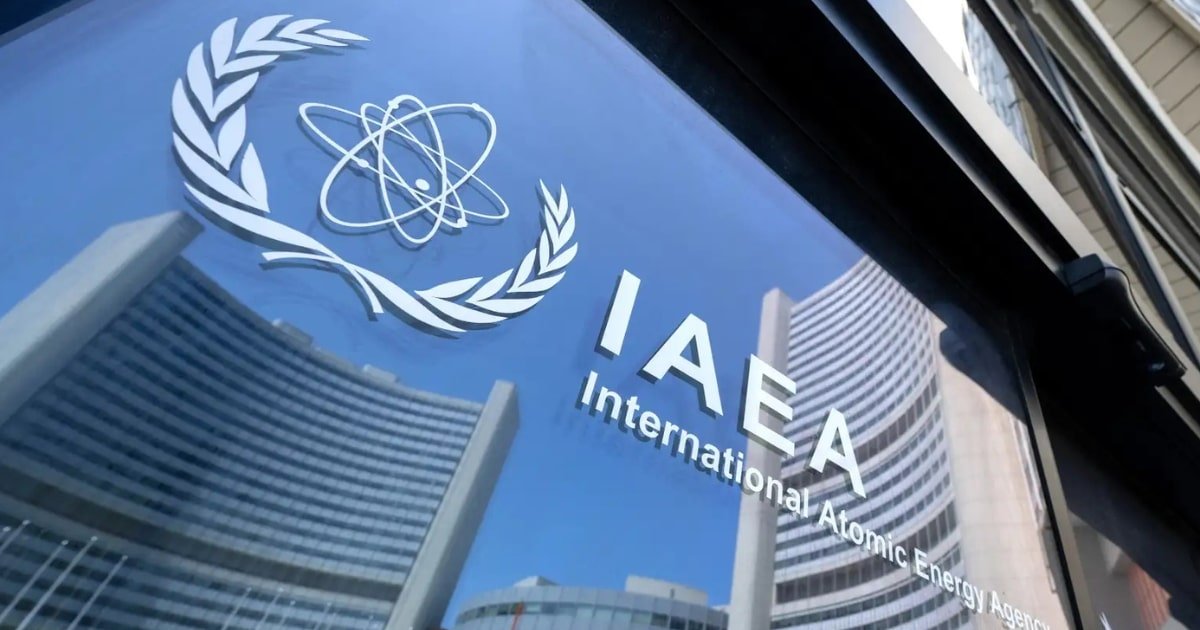





In a major diplomatic and technical breakthrough, the International Atomic Energy Agency (IAEA) Board of Governors has unanimously approved a new safeguards agreement for Unit-5 of the Chashma Nuclear Power Plant (C-5). The decision, announced on Wednesday, March 4, 2026, marks a pivotal milestone for Pakistan’s energy future and reinforces the international community’s trust in the country’s civil nuclear program.
International Atomic Energy Agency has approved safeguards agreement for Chashma Nuclear Power Plant, unit 5@iaeaorg #RadioPakistan #news https://t.co/KNx8iTbUi6 pic.twitter.com/5LQIJO501w
— Radio Pakistan (@RadioPakistan) March 4, 2026
Strategic Milestone for Energy Security
The approval follows high-level engagements between Prime Minister Shehbaz Sharif and IAEA Director General Rafael Mariano Grossi in Vienna last month.
-
Capacity Increase: Unit-5, a pressurized water reactor, boasts a gross capacity of 1,200 MW and is projected to be fully operational by 2030.
-
Green Energy Transition: Upon completion, C-5 will be a primary driver for Pakistan’s climate goals, adding a significant volume of low-carbon electricity to the national grid.
-
National Performance: Pakistan currently operates six nuclear plants with a combined capacity of 3,530 MW. In the last fiscal year, nuclear energy contributed 18.3% to the national power mix and 34% of all low-carbon generation.
IAEA approval of Safeguards Agreement for Chashma Unit 5 (C-5) marks a key milestone for Pakistan’s energy future — underscoring global trust in our nuclear safety, security, nonproliferation, and peaceful nuclear program. pic.twitter.com/A44TU7wHjA
— Ishaq Dar (@MIshaqDar50) March 4, 2026
Global Trust and Non-Proliferation
Deputy Prime Minister and Foreign Minister Ishaq Dar hailed the development as a “key milestone,” noting it underscores global confidence in Pakistan’s adherence to non-proliferation and safety standards.
-
Operational Pedigree: With over 100 reactor-years of safe operation, Pakistan has maintained a flawless record of security and transparency.
-
IAEA Partnership: The agreement is part of a broader cooperation framework that recently saw the Institute of Nuclear Medicine and Oncology (INMOL) in Lahore designated as an IAEA Collaborating Centre.
-
Special Status: As a state not party to the NPT, Pakistan implements these safeguards through item-specific agreements, joining India and Israel in this specialized IAEA monitoring tier.
You May Like To Read: White House Maintains “Strategic Ambiguity” on Ground Troops
The Economic Context
The unanimous approval comes at a critical juncture as Pakistan implements emergency energy conservation measures due to regional supply disruptions. The expansion of the Chashma complex is viewed as a long-term solution to reduce reliance on imported fossil fuels and ensure sustainable economic growth.
Check out our latest video: