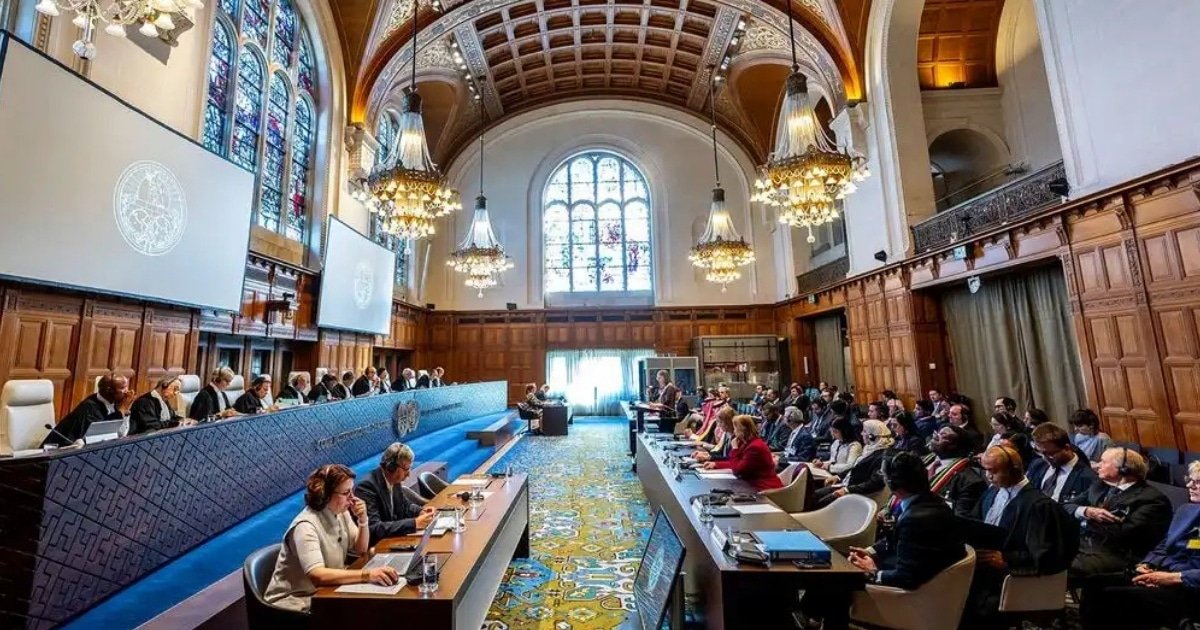





The International Court of Justice (ICJ) officially opened the merits phase of the landmark case brought by The Gambia against Myanmar today at the Peace Palace. The proceedings will determine whether Myanmar’s military, the Tatmadaw, breached its obligations under the 1948 Genocide Convention during its “clearance operations” against the Rohingya minority.
🇲🇲 The United Nations’ top court will begin hearing a landmark genocide case against Myanmar on Monday.
Gambia brought the case against the Southeast Asian country, accusing it of genocide of its Muslim Rohingya minority in the western Rakhine region in 2017 👇 pic.twitter.com/jtHVmhAwIu
— FRANCE 24 English (@France24_en) January 12, 2026
A Quest for Accountability
The hearings, presided over by Judge Iwasawa Yuji, mark a critical turning point following years of preliminary legal disputes. Over the next three weeks, the Court will hear oral arguments and examine witness testimony regarding the atrocities committed in Rakhine State, which led to the displacement of over 700,000 Rohingya in 2017.
In his opening statement, Dawda Jallow, Attorney General and Minister of Justice of The Gambia, emphasized that the case transcends legal theory. “By all measures, this case is not about esoteric issues of international law,” Mr. Jallow told the judges. “It is about real people, real stories, and a real group of human beings.”
Background of the Dispute
The Gambia filed the application in November 2019, acting on credible reports of “the most brutal and vicious violations imaginable.” These allegations were bolstered by a 2018 UN Fact-Finding Mission, which found reasonable grounds to conclude that genocide and crimes against humanity had occurred.
While Myanmar previously challenged the Court’s jurisdiction, the ICJ ruled in July 2022 that it was competent to hear the case. Currently, nearly one million Rohingya remain in refugee camps in Bangladesh, while others face dire conditions as internally displaced persons (IDPs) within Myanmar.
The Scope of the Hearings
The current schedule includes:
- Two rounds of oral pleadings from both The Gambia and Myanmar.
- Closed sessions for sensitive witness and expert testimony.
- Review of compliance regarding the provisional measures ordered by the Court in 2020, which required Myanmar to prevent genocidal acts and preserve evidence.
You May Like To Read: White House Announces 25% Tariff on Nations Conducting Business with Iran
Implications of the Verdict
The Gambia’s representatives warned that Myanmar remains trapped in a “cycle of atrocities and impunity,” exacerbated by the 2021 military coup. They argued that a definitive ruling on state responsibility is imperative to prevent the repetition of such crimes.
As the principal judicial organ of the United Nations, the ICJ’s final judgment will be legally binding. While the Court does not try individuals, it holds the power to determine the international legal responsibility of the State of Myanmar.
Check out our latest video: