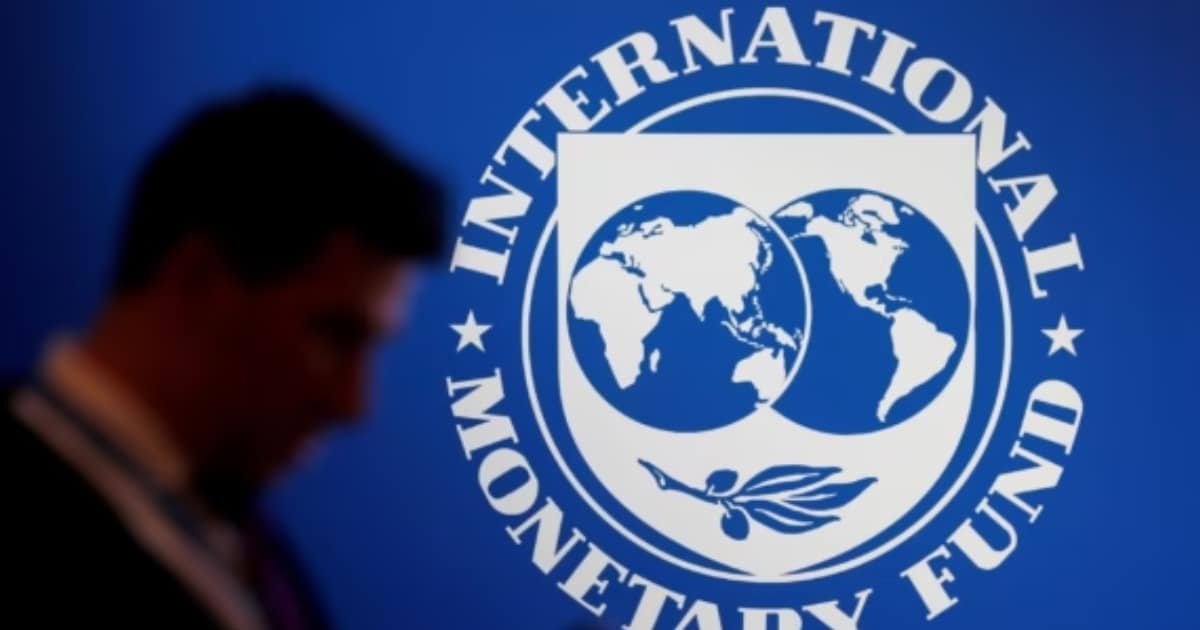


The IMF has given Pakistan the green light to spend Rs830 billion on power subsidies in the upcoming budget — but with some tough conditions attached.
The International Monetary Fund (IMF) has allowed Pakistan to allocate Rs830 billion for power subsidies in the new budget. The amount includes Rs300 billion to pay for electricity theft and poor bill recovery. #DialoguePakistan #IMF #Allowed #Pakistan #Power #Subsidies #Budget pic.twitter.com/TAttliiJ5t
— Dialogue Pakistan (@DialoguePak) April 4, 2026
Out of this amount, Rs300 billion will go towards covering electricity theft and poor bill recovery. The lender has also asked Pakistan to increase electricity prices in January 2027 as part of the annual adjustment, a new structural benchmark under the $7 billion bailout package.
Government sources say Pakistan has accepted the condition. The IMF wants timely tariff hikes — including quarterly and monthly adjustments — to fully reflect rising generation costs caused by the Middle East conflict and to keep the power sector financially viable.
Interestingly, while the IMF allowed these huge power subsidies (Rs830 billion, though 16% less than what Pakistan originally asked for), it remained strict on fuel subsidies for petrol and diesel despite the global oil price shock from the Iran war.
The Rs830 billion will cover tariff differences for Discos and K-Electric, FATA arrears, agriculture tube-wells, and circular debt payments. However, the IMF has once again allowed another Rs300 billion increase in circular debt next year — after Rs400 billion this year. Pakistan has promised yet again to completely eliminate circular debt by 2031.
The government also assured the IMF it will finalise deals with Independent Power Producers (IPPs), including CPEC projects, by June 2026 and resolve the ongoing dispute with K-Electric by December 2026. Plans to privatise some distribution companies have been delayed to next year, but the IMF appears okay with that.
In short, the IMF is giving breathing room on power subsidies but is pushing hard for higher electricity prices and reforms to stop the circular debt from keep growing.
You May Like To Read: 04 Ships Transit Strait of Hormuz Amid Iran-Oman Maritime Protocol Talks
Check out our latest video: