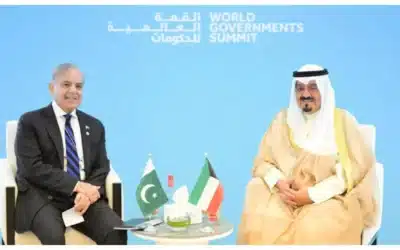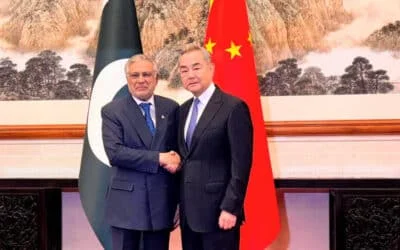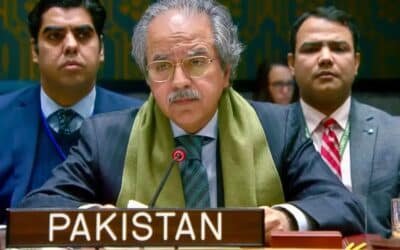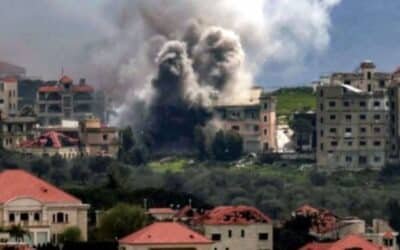




The foreign ministers of several Muslim and Arab nations, including Pakistan, Egypt, Saudi Arabia, Turkiye, and Qatar, released a joint statement Friday underscoring their “absolute rejection” of any attempt to displace Palestinians from the Gaza Strip, a position reaffirmed amid ongoing volatility in the nearly two-month-old ceasefire.
⚡️A statement from 8 Arab and Islamic countries:
-We categorically reject any attempts to displace the Palestinian people.
-We emphasize the necessity of reconstruction and creating the conditions for the Palestinian Authority to resume its responsibilities in Gaza.
-We are… pic.twitter.com/1NX384y6fX
— S2FUncensored (@S2FUncensored) December 6, 2025
Rafah Crossing and Forced Displacement
The ministers expressed deep concern over Israel’s recent announcement to unilaterally open the Rafah crossing for the sole purpose of allowing Gaza residents to flee. This move was swiftly rejected by Egypt, who insisted on lifting the blockade in both directions to facilitate humanitarian access rather than an evacuation that critics fear amounts to forced displacement.
The joint statement was clear: “The Ministers underscore their absolute rejection of any attempts to expel the Palestinian people from their land and stress the necessity of the full adherence to the plan proposed by US President Donald Trump.”
This adherence includes keeping the Rafah Crossing open in both directions, ensuring freedom of movement for the population, and creating the right conditions for residents to stay on their land and participate in rebuilding their homeland.
Pakistan and Saudi Arabia Reaffirm Stance
Deputy Prime Minister and Foreign Minister Ishaq Dar, following a phone call with his Saudi counterpart Prince Faisal bin Farhan, strongly condemned Israel’s plan to restrict the Rafah crossing for exit only, calling it a “clear violation” of the peace plan.
The Foreign Office (FO) confirmed that both leaders reaffirmed their commitment to ensuring unfettered aid into Gaza and advancing coordinated efforts toward a lasting peace.
Ceasefire and Trump Plan Implementation
The joint statement emphasized the need to fully sustain the ceasefire and ensure the unrestricted entry of humanitarian assistance into the Gaza Strip. The top diplomats called for the full implementation of the “Trump Plan” without delay or obstruction, in order to achieve regional security and stability.
Key demands for the next phase of the peace plan include:
- Alleviating civilian suffering and ensuring humanitarian access.
- Initiating early recovery and reconstruction efforts.
- Creating conditions for the Palestinian Authority to resume its responsibilities in the Gaza Strip.
The ministers reaffirmed their commitment to work with the United States and international parties to ensure the full implementation of UN Security Council resolutions, emphasizing the establishment of an independent Palestinian state along the June 4, 1967 lines, with East Jerusalem as its capital.
Despite the diplomatic pressure, negotiations on the next stage of the ceasefire remain slow, hampered by issues such as the demand for the return of the remains of the last body held by Hamas and legal ambiguities within the Trump Plan itself.