




Migration has become one of the defining challenges of the 21st century, not only in humanitarian terms but also in geopolitics. As wars, climate change, and economic disparities drive people across borders, wealthy states are increasingly outsourcing their border controls to poorer nations, effectively creating a global migration bargain. While this strategy reduces political pressure in the Global North, it raises troubling questions about sovereignty, equity, and human rights in the Global South.
The Rise of Externalized Borders
Rather than managing migration solely at their own frontiers, Western states are striking deals with countries of origin and transit. The logic is straightforward: stop migrants before they reach Europe or North America.
- In 2016, the EU–Turkey deal offered Ankara billions of euros in aid in exchange for preventing Syrian refugees from entering Europe.
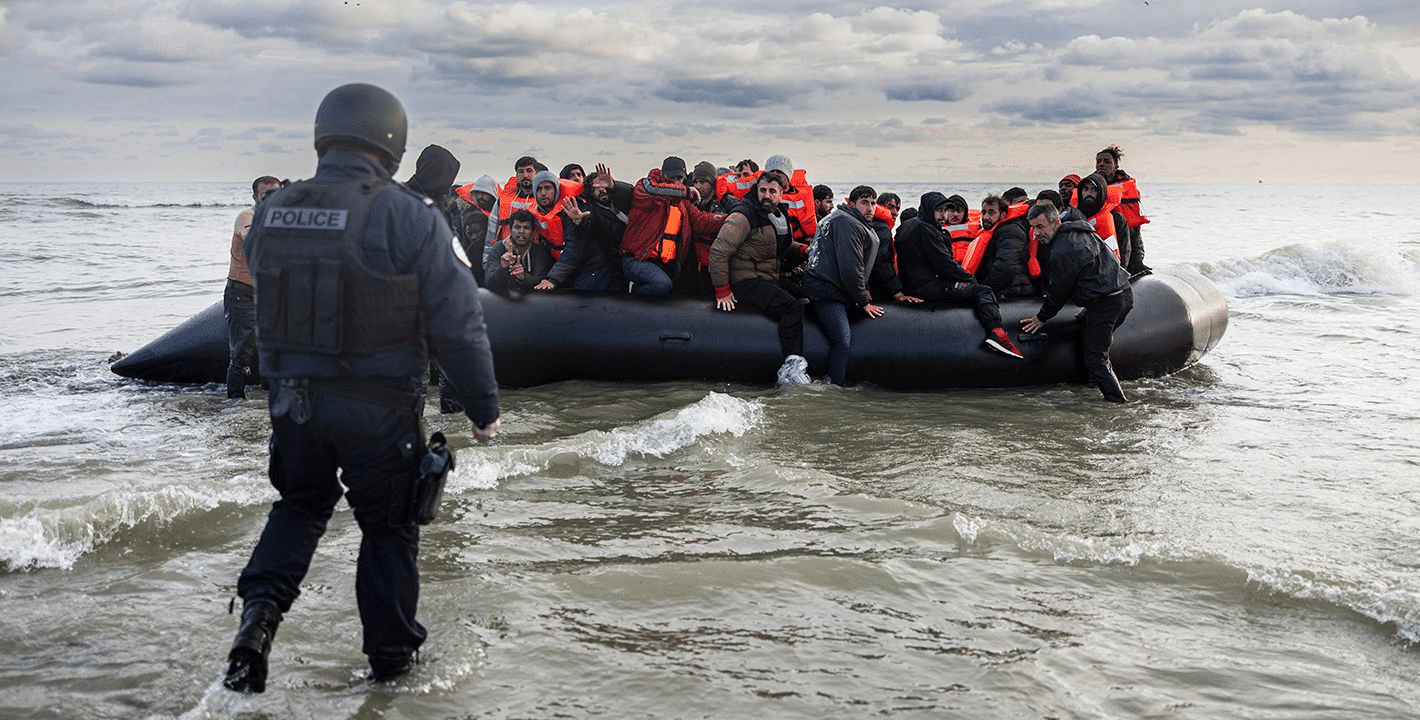
- Italy and the EU have funded the Libyan Coast Guard, accused of intercepting migrants and returning them to abusive detention centers.
- The UK–Rwanda partnership seeks to process asylum seekers offshore, effectively transferring Britain’s asylum responsibilities to Africa.
- The U.S. has leaned on Mexico and Central American states to tighten enforcement, often in exchange for development aid and diplomatic concessions.
These deals illustrate a growing pattern: migration governance is no longer just a domestic issue but an internationally negotiated bargain where responsibility is outsourced to those with fewer resources and weaker protections.
Why Wealthy States Pursue Outsourcing
For rich countries, the politics of migration are fraught. Rising populism, fears over jobs, and cultural anxieties make open-door policies politically untenable. Outsourcing provides a double benefit:
- It reduces visible arrivals at domestic borders.
- It creates a perception of “control,” reassuring anxious electorates.
From a financial perspective, paying countries in the Global South to host or contain migrants is cheaper than managing asylum systems at home. Yet this cost-effectiveness masks deeper inequalities: the burden of hosting vulnerable populations shifts to states already struggling with poverty, weak institutions, and climate stress.
The Costs for the Global South
While host states receive aid and diplomatic leverage, the migration bargain is rarely equal.
- Sovereignty trade-offs: Countries like Niger or Libya effectively become Europe’s external border guards, their policies shaped by EU funding.
- Social strain: Host communities often face tensions as they absorb migrants with limited resources.
- Human rights risks: Outsourced enforcement frequently leads to abuse, arbitrary detention, and violations of international refugee law.
In many cases, refugees and migrants become bargaining chips, their futures dependent on negotiations between powerful and weaker states.
The Humanitarian Dimension
The outsourcing model risks undermining the 1951 Refugee Convention, which obliges states to provide asylum to those fleeing persecution. Instead of honoring this principle, wealthy countries increasingly argue that protection should be offered “closer to home.” While framed as pragmatic burden-sharing, in practice this often becomes burden-shifting, transferring responsibility to states with fewer resources and weaker protections.
Critics describe this as a race to the bottom, where offshore processing centers and “safe third country” agreements place vulnerable populations in precarious and sometimes dangerous conditions. Reports of overcrowded camps, arbitrary detention, and lack of legal safeguards highlight the humanitarian risks of these arrangements. International watchdogs, including Amnesty International and the UNHCR, warn that such policies erode long-standing refugee protection norms.
If this trend continues unchecked, the international asylum system may devolve into a patchwork of ad hoc deals, leaving displaced people caught in geopolitical bargaining rather than safeguarded by universal rights.
You May Like To Read: The Recalibration of Middle Eastern Alliances: From U.S. Dependence to Multipolar Diplomacy
The Bargaining Power of the Global South
Outsourcing, however, is not one-sided. For some states, migration control has become a strategic asset.
- Turkey has repeatedly used its refugee-hosting role as leverage in negotiations with the EU.
- Morocco has signaled its importance to Europe by tightening or loosening border controls depending on political disputes.
- Mexico has leveraged U.S. dependence on its enforcement capacity for economic and trade concessions.
In this sense, migration becomes a form of geopolitical currency, giving Global South states bargaining power in international affairs. But this transactional logic risks further politicizing vulnerable populations.
Climate Change and the Next Wave
Looking ahead, climate-driven migration could dwarf current flows. Rising sea levels, desertification, and extreme weather may displace hundreds of millions. Wealthy states will likely double down on outsourcing strategies, making the Global South not only a transit zone but also a permanent containment area.
This raises profound ethical questions: Should developing countries, already bearing the brunt of climate change caused by industrialized economies, also shoulder the burden of managing displaced populations?
The global migration bargain reflects a shifting world order in which the Global South serves as both gatekeeper and buffer for the Global North. While outsourcing may ease political pressure in wealthy states, it risks undermining international refugee protection, exacerbating inequalities, and commodifying human lives.
For Pakistan and other Global South nations, the trend offers both opportunity and danger. Aid and political leverage may flow, but the humanitarian and sovereignty costs are high.
Ultimately, migration governance requires more than bargains—it demands collective responsibility. Without it, borders will harden, lives will be jeopardized, and the very idea of international solidarity will erode under the weight of transactional deals.
You May Like To Read: China Welcomes Pakistan-Afghanistan 48-Hour Temporary Ceasefire Decision