




On February 16, 2026, Iranian Foreign Minister Abbas Araghchi arrived in Geneva to meet with IAEA Director-General Rafael Grossi, setting the stage for a critical second round of nuclear negotiations with the United States. Araghchi brought a team of nuclear experts for “in-depth technical discussions” aimed at restoring international monitoring, which has been largely suspended since the June 2025 regional conflict. While Araghchi claims to have “real ideas” for a deal, he maintains that Iran will not submit to “threats.”
Iran meets UN nuclear watchdog in Geneva ahead of a second round of U.S. talks https://t.co/b7bAZUPO8P
— CTV News (@CTVNews) February 16, 2026
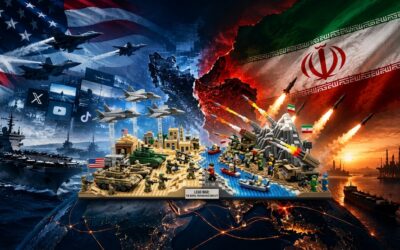
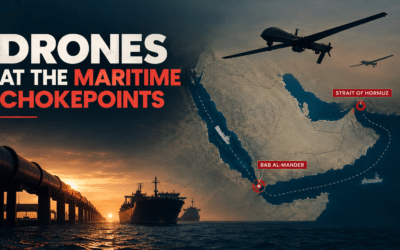
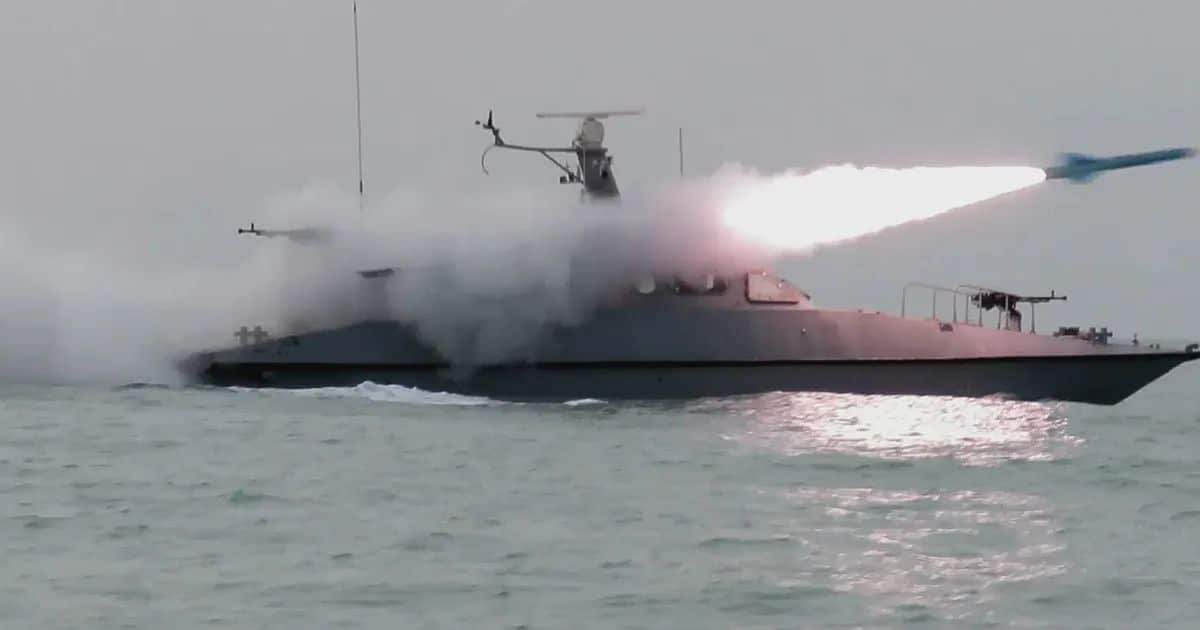
The diplomatic push is occurring against a backdrop of intense military posturing. Early Monday morning, the Islamic Revolutionary Guard Corps (IRGC) launched a high-stakes naval exercise dubbed “Smart Control of the Strait of Hormuz.” The drill, which spans the Persian Gulf and the Gulf of Oman, includes reported live-fire exercises in one of the world’s most vital oil transit corridors. This move is widely seen as a response to President Donald Trump’s order to deploy a second aircraft carrier, the USS Gerald R. Ford, to the region to join the USS Abraham Lincoln in a “maximum pressure” display.
As the second round of Omani-mediated talks begins on Tuesday, February 17, both sides remain deadlocked over “red lines.” The U.S. continues to demand a total end to domestic uranium enrichment, while Tehran insists on its “inalienable right” to the technology. With the global oil market on edge and a massive U.S. naval presence in the Arabian Sea, the Geneva summit represents a thin line between a historic diplomatic breakthrough and a catastrophic regional war.
You May Like To Read: