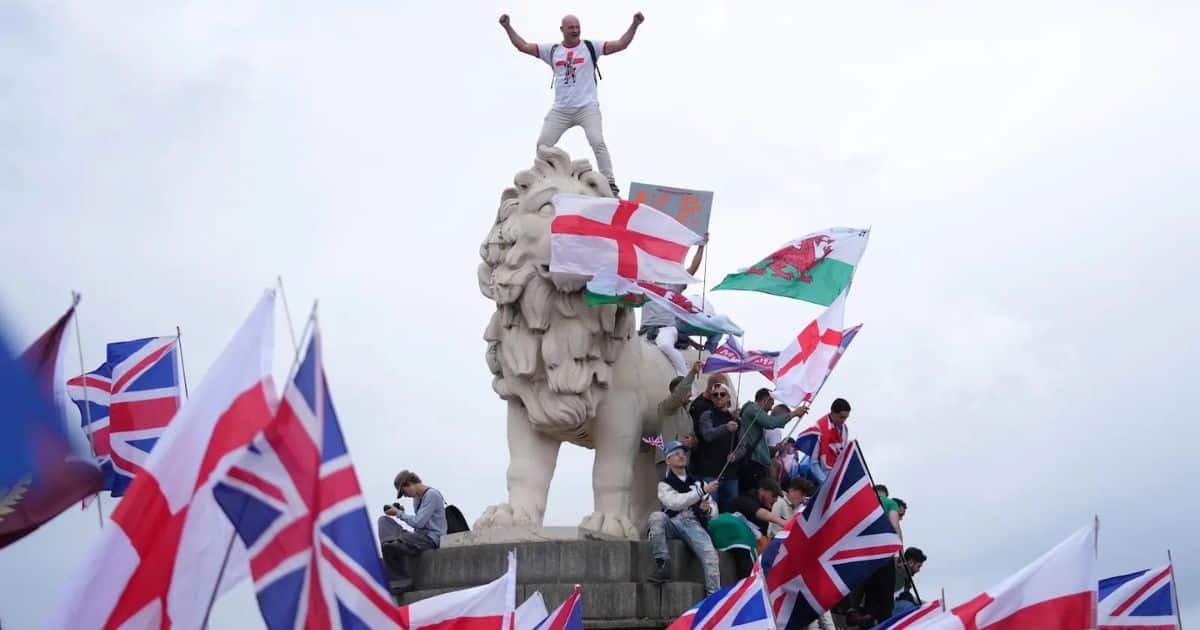





The rise of far-right politics is no longer a series of isolated national events but a deeply interconnected global phenomenon. Unlike their 20th-century predecessors, today’s far-right movements operate through a sophisticated transnational network, leveraging digital technology and shared ideology to fuel a coordinated assault on liberal democratic norms. This new political dimension transcends borders, creating a powerful echo chamber where narratives born in one country can be weaponized in another within hours. This article investigates the architecture of this network, analyzing how ideological narratives, formal and informal linkages, and financial resources are shared across continents—from Europe and the US to parts of Asia. By understanding these connections, we can better comprehend the scale and nature of this modern political challenge, which is defined not by its parochialism but by its alarming global coordination.
Heard of OPEC+ but not sure what it actually does?
This powerful oil alliance still moves global markets — even as the world shifts to cleaner energy.
Read on to learn how it works, who’s in it, and why it still matters 👇 pic.twitter.com/dQP97x85Yl
— PU Prime (@puprime) August 5, 2025
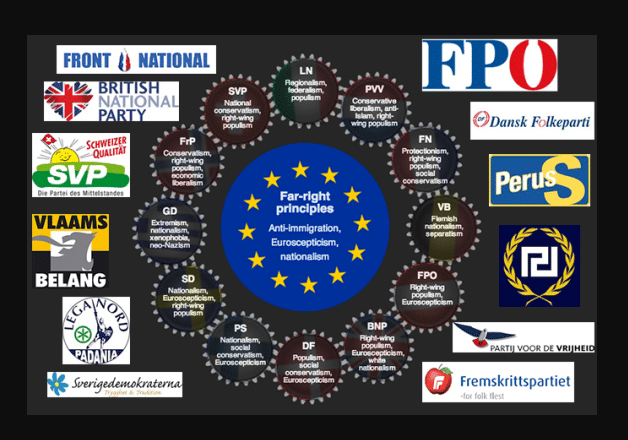
Shared Ideological Narratives, and Digital Propagation
Source: Al-Jazeera.com
At the core of the global far-right’s transnational network are shared ideologies that transcend borders, including nativism, which prioritizes native populations over immigrants; authoritarianism, favoring strongman leadership; and populism, framing elites as enemies of the people. These narratives are disseminated through digital platforms like social media and alternative tech, enabling rapid idea exchange between groups in Europe, the US, and beyond. For instance, U.S.-based white supremacist ideologies influence European far-right parties via online forums, where memes and manifestos circulate freely, amplifying anti-globalist sentiments. Digital affordances allow for real-time coordination, such as live-streamed rallies or AI-generated content to evade moderation. This virtual connectivity has turned fringe ideas into mainstream discourse, as seen in the mutual promotion of anti-EU stances by Italian and French nationalists with American conservatives. By leveraging platforms like Telegram and Gab, these movements bypass traditional media, creating echo chambers that reinforce their worldview and recruit internationally, ultimately fueling a cohesive challenge to liberal values.
Financial Networks and Resource Sharing
Financial connections form the backbone of the far-right’s global coordination, enabling resource sharing that sustains operations across continents. Online financing platforms allow U.S. anti-authority extremists to crowdfund via cryptocurrencies and donation sites, often evading regulatory scrutiny. These funds support transnational activities, such as travel for conferences or propaganda production. When far-right parties gain governmental power, they influence foreign aid allocations, redirecting funds to align with nationalist priorities and potentially aiding allied movements abroad. For example, European far-right governments have been linked to reduced aid for multicultural programs, indirectly benefiting similar ideologies in the US and Asia. Cross-national donor networks, including wealthy patrons, facilitate this exchange, as highlighted in reports on radical right cooperation. This financial web not only amplifies political campaigns but also funds legal defenses and media outlets, creating a self-sustaining ecosystem that challenges democratic institutions by outpacing traditional funding models.
You May Like To Read: Pakistan and the United Nations’ Peacekeeping Legacy
Regional Connections and Global Coordination
The far-right’s transnational network manifests through regional linkages that foster global coordination. In Europe and the US, groups like the Proud Boys and Germany’s AfD share tactics via joint events and online alliances, extending to terrorism threats across the Atlantic. Asia’s involvement, often rooted in Cold War legacies, includes Japanese nationalists and Philippine right-wing activists aligning with Western counterparts on anti-China stances or cultural conservatism. These connections are evident in mutual endorsements, such as European parties praising U.S. policies on immigration. Conservative think tanks advocate for a “nationalist internationalism,” proposing alliances among like-minded states to counter globalism. This coordination challenges liberal norms by promoting protectionism and sovereignty, as seen in collaborative efforts against international bodies like the EU or UN. While critics argue this hype overlooks left-wing threats, the network’s growth underscores a deliberate strategy to reshape geopolitics.
Conclusion
The global far-right’s transnational network, driven by ideological synergy, digital tools, and financial ties, poses a formidable challenge to liberal democracies. From Europe’s populist surges to U.S. extremism and Asia’s emerging alignments, this coordinated movement erodes trust in institutions, amplifies division, and promotes authoritarian alternatives. While substantiated by cross-border collaborations and resource flows, it also faces pushback from counter-extremism efforts and balanced media scrutiny. To mitigate its influence, policymakers must enhance digital regulations, disrupt illicit financing, and foster inclusive dialogues that address underlying grievances like economic inequality. Ultimately, recognizing this as a unified political force, rather than disparate uprisings, is essential for safeguarding democratic values. Failure to act could accelerate its momentum, leading to further polarization and instability in an interconnected world.
You May Like To Read: Israel Deports Greta Thunberg, and 170 Gaza Aid Flotilla Activists