On 24 July 2025, Hamas officially submitted a revised ceasefire and hostage‐exchange proposal to Israel, as Gaza plunged into a deep famine. The proposal calls for a 60‑day truce, conditional hostage releases, and increased humanitarian access under UN control—amid mounting international demands to halt the humanitarian catastrophe unfolding in the enclave.
Proposal Details & Israeli Response
Hamas proposes to release 10 living Israeli hostages and the bodies of 18 deceased in return for Palestinian prisoners and a commitment from Israel to terminate military operations temporarily. The agreement envisions negotiations during the truce to secure a lasting peace deal and to broaden humanitarian deliveries under UN supervision, replacing the controversial Gaza Humanitarian Foundation (GHF) mechanism.
Israeli officials described the submission as “workable,” although key differences remain over troop deployment and the scope of withdrawal. According to Reuters, Israel is reviewing the response attentively, even as it continues airstrikes in central and southern Gaza.
Starvation Crisis Escalating
Humanitarian conditions have deteriorated alarmingly:
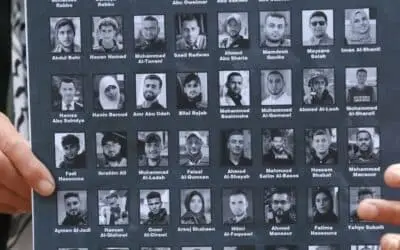
- Over 111 people, predominantly children, have succumbed to starvation since the blockade intensified—including 42 deaths within just the last few days.
- The World Health Organization and UN agencies report that more than 2 million Palestinians face famine-level conditions, with aid workers fainting from hunger and food queues frequently targeted by violence.
- The humanitarian system is all but paralysed: UN-led aid distribution—previously spread across 400-plus sites—has been drastically scaled back. Instead, a heavily criticised US‑backed fund (GHF) runs four distribution points staffed by private security, resulting in thousands of deaths among aid seekers.
Political and Legal Stakes
The ceasefire submission arrives amid increased domestic pressure on the Israeli government. Netanyahu postponed a second phase prisoner exchange and threatened further consequences if Hamas refuses to discuss terms—while simultaneously citing starvation as a pressure lever in talks.
Meanwhile, Hamas emphasises that any deal must guarantee unrestricted UN-administered aid, Israeli withdrawal to pre‑March 2 positions, and a credible path toward a permanent end to hostilities. It warns that ceasefire talks hold “no sense” without assurances against “hunger war and extermination war” in Gaza.
Regional and International Dynamics
U.S. Middle East envoy Steve Witkoff has intensified shuttle diplomacy, meeting in Italy with Israeli adviser Ron Dermer and Qatari officials to broker a deal. Countries including Canada and several European states have called for immediate UN-led aid restoration and an urgent halt to the siege.
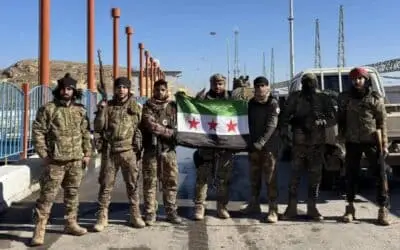
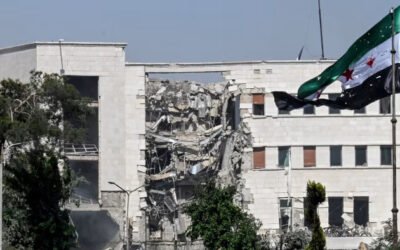
At the same time, tensions persist across the wider region. An explosion in Syria’s Idlib province, violence in the West Bank, and Israeli–Syrian diplomacy in Paris are unfolding concurrently, underscoring mounting regional instability.
Analysis & Implications
-
Humanitarian Urgency: With famine spreading at an alarming rate and deaths escalating daily, the ceasefire proposal from Hamas signals profound desperation rather than strategic flexibility. The current blockade has not only led to acute food shortages but has also crippled the healthcare system, exacerbating the crisis for vulnerable populations, particularly children and the elderly. The long-term effects of malnutrition, including stunted development and increased susceptibility to disease, will plague Gaza for generations, even if aid is fully restored.
- Israeli Leverage: The sustained blockade and the escalating starvation policy are overtly being wielded as negotiating tools by Israel. This approach raises severe legal and moral questions under international humanitarian law, particularly concerning the prohibition of starvation as a method of warfare and the obligations to facilitate humanitarian aid to civilian populations. Critics argue that such tactics may constitute collective punishment, which is explicitly forbidden under international law.
- Diplomatic Tension: Mediators are operating within an increasingly narrow window of opportunity to salvage a fragile truce. The deep-seated mistrust between Israel and Hamas, coupled with the immediate humanitarian catastrophe, makes these negotiations extraordinarily complex. Failure to secure a meaningful agreement could lead to widespread diplomatic fallout, further isolating parties and potentially escalating regional tensions beyond Gaza. The intensified shuttle diplomacy by U.S. envoy Steve Witkoff highlights the urgency and the recognition that a broader regional conflict could easily ignite if the situation in Gaza is not de-escalated.
- Rights and Legitimacy: Hamas’s insistence on UN-managed aid, Israeli withdrawal to specific pre-conflict positions, and the articulation of a credible path toward a permanent cessation of hostilities reflect a deliberate push for international accountability and legitimacy. By framing its demands around established humanitarian principles and long-term peace, Hamas seeks to garner international sympathy and pressure Israel. Conversely, Israel views the proposal primarily as a tactical concession conditional on the release of hostages, and is wary of any terms that might undermine its security objectives or leave Hamas with operational capabilities. This fundamental divergence in perspectives creates a significant hurdle for any lasting resolution.
Future Outlook
As Gaza edges toward full-scale famine, Hamas’s submission of its latest ceasefire plan could mark a critical inflection point. Yet with nearly 59 hostages still in Gaza, deep mistrust, and Israel continuing military operations, fundamental obstacles remain. Unless humanitarian corridors are significantly expanded and concrete guarantees are translated into verifiable action on the ground, the enclave risks spiralling further into profound disorder and catastrophic death tolls, potentially triggering mass displacement, uncontrollable disease outbreaks, and an irreversible humanitarian catastrophe that could destabilize the entire region for years to come.