


The United Arab Emirates (UAE) issued a stark warning on Tuesday, urging Iran and the United States to utilize upcoming diplomatic talks to avert a “calamitous” regional conflict. The appeal comes as sources confirm that Jared Kushner will join the U.S. delegation for Friday’s critical nuclear negotiations in Istanbul.
UAE Calls for Regional Stability
Speaking at the World Governments Summit in Dubai, Anwar Gargash, senior advisor to the UAE President, emphasized that the Middle East cannot afford another war.
“The region has gone through various calamitous confrontations,” Gargash stated, highlighting the urgency for both Washington and Tehran to move past mutual threats of air strikes and naval standoffs. As a major oil producer and key U.S. ally, the UAE’s stance underscores the global economic anxiety surrounding the potential for military escalation in the Gulf.
High-Profile U.S. Delegation
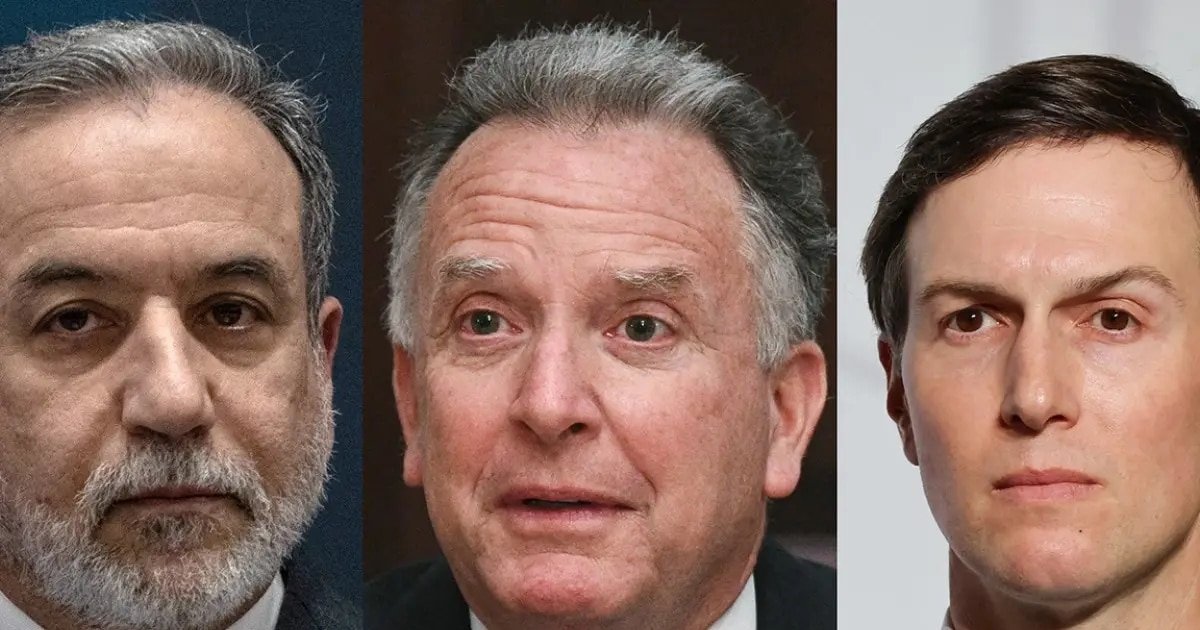
In a move signaling the high priority placed on these talks by the White House, sources familiar with the situation confirmed that Jared Kushner will participate in the Istanbul summit. He will join U.S. Special Envoy Steve Witkoff to meet with Iranian Foreign Minister Abbas Araghchi.
The inclusion of Kushner—who played a central role in previous Middle East diplomatic frameworks—suggests that the U.S. may be seeking a comprehensive regional “grand bargain” rather than a narrow nuclear agreement.
🚨🇺🇸🇮🇷 Jared Kushner to join U.S.-Iran talks in Istanbul Friday, with Turkey, Qatar, and Egypt mediating.
First direct contact since Trump moved a massive U.S. armada into striking range.
Iran signaling major concessions: ready to completely suspend nuclear program and ship all… pic.twitter.com/BPHITYLvnd
— Terror Alarm (@Terror_Alarm) February 3, 2026
The Standoff: Naval Power vs. Defensive Sovereignty
While diplomacy resumes, the rhetoric remains charged:
- U.S. Position: President Donald Trump underscored the military pressure, noting that “bad things” would likely occur if a deal is not reached, referencing the movement of “big U.S. warships” toward the region.
- Iranian Position: A diplomatic source in Tehran described their outlook as “neither optimistic nor pessimistic.” Iranian officials have reiterated that while they are at the table, their ballistic missile program and defensive capabilities remain “non-negotiable.”
You May Like To Read: U.S. Navy Intercepts, and Shoots Down Iranian Drone in Arabian Sea
Key Conflict Points for Friday’s Talks
The Friday meeting in Turkiye is expected to focus on:
- Nuclear Compliance: Resumption of monitoring and enrichment limits.
- Ballistic Missiles: The U.S. demand to limit Iran’s missile range, which Tehran views as a sovereign defense necessity.
- Sanctions Relief: Iran’s urgent requirement for economic stability to prevent internal unrest.
“It remains to be seen whether the United States intends to conduct serious, result-oriented negotiations,” an Iranian source noted, adding that the Islamic Republic is “ready for any scenario.”
Check out our latest video: