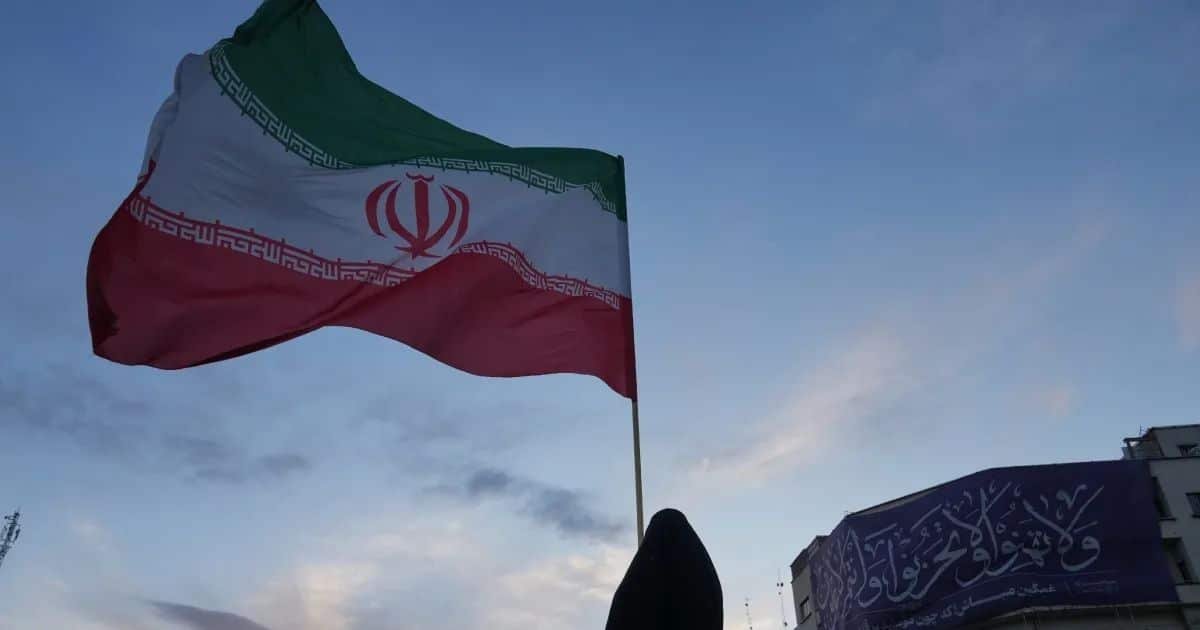





Iran has formally responded to the US proposal for ending the war, rejecting any temporary ceasefire and insisting on a permanent resolution to the conflict.
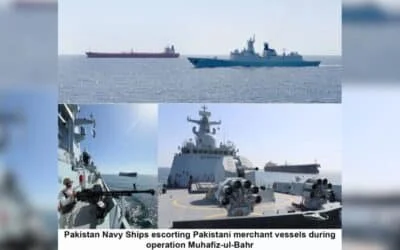
According to Iran’s official IRNA news agency, Tehran conveyed a 10-clause response to Pakistan, which is acting as an intermediary. The key points include an end to all regional conflicts, a protocol for safe passage through the Strait of Hormuz, lifting of sanctions, and reconstruction support.
Iranian Foreign Ministry spokesperson Esmaeil Baghaei said the demands reflect Iran’s confidence in defending its positions rather than any sign of weakness. He also reiterated that earlier US proposals, including a 15-point plan, were “excessive” and unacceptable.
Iran gives Pakistan a 10-clause response to US plan to end hostilities — IRNA
Among them:
▪️Iran REJECTS ceasefire, citing ‘past experiences’
▪️’PERMANENT end to war’
▪️END to conflicts in region
▪️Protocol for safe passage through Hormuz
▪️Lifting of sanctions pic.twitter.com/rnuqcI0Z0U— RT (@RT_com) April 6, 2026
US President Donald Trump quickly rejected Iran’s response, calling it “a significant proposal” but “not good enough.” Speaking at a White House Easter event, Trump insisted his deadline for Iran to reopen the Strait of Hormuz remains firm. He has threatened severe consequences if the waterway is not opened by 8pm EDT Tuesday (midnight GMT Wednesday in Pakistan).
The closure of the Strait of Hormuz — a critical route for about one-fifth of the world’s oil and gas — has become Iran’s strongest bargaining chip, causing major disruptions to global energy markets.
A White House official later clarified that the ceasefire idea was “one of many ideas” and that President Trump had not yet signed off on it, adding that “Operation Epic Fury continues.”
Meanwhile, fresh strikes were reported across Iran on Monday. Israeli forces claimed responsibility for the assassination of Revolutionary Guards’ intelligence chief Majid Khademi, while a US-Israeli attack reportedly damaged the data centre at Tehran’s Sharif University of Technology, affecting the country’s national AI platform.
UAE presidential adviser Anwar Gargash warned that any final settlement must guarantee free access through the Strait of Hormuz and include strong curbs on Iran’s nuclear programme, missiles, and drones.
With the deadline approaching and both sides sticking to firm positions, the window for diplomacy appears to be narrowing rapidly.
You May Like To Read: