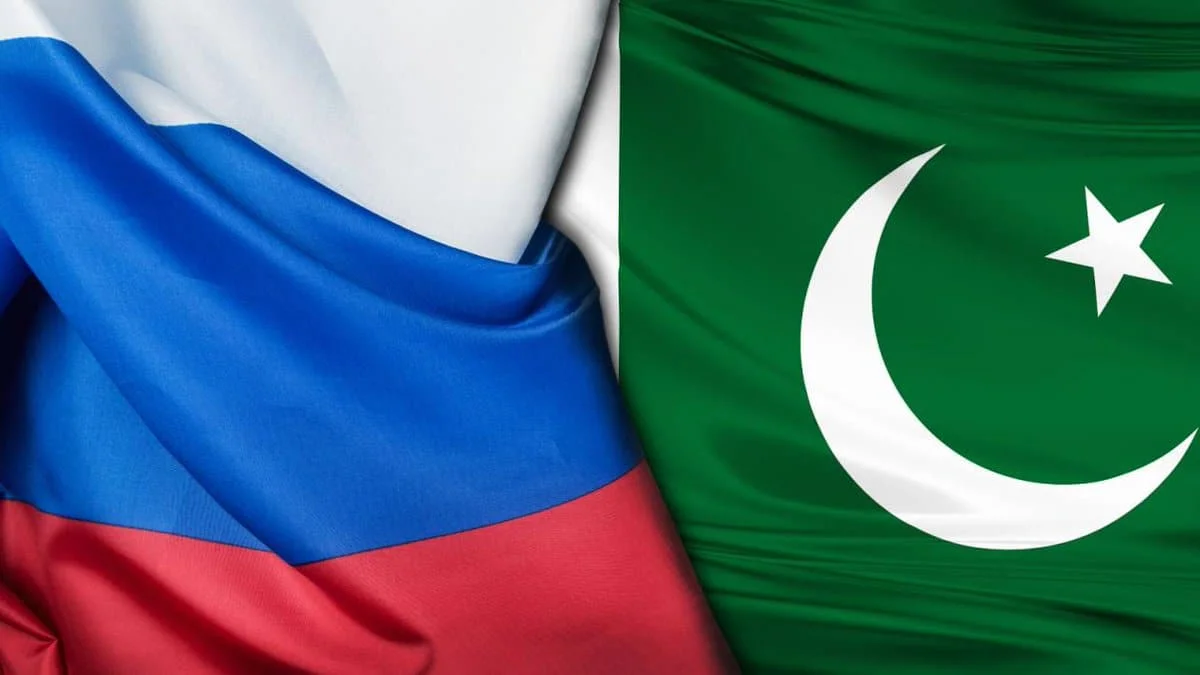





In a major diplomatic step forward for regional security, Pakistan’s Federal Interior Minister Mohsin Naqvi and Russian Interior Minister Vladimir Kolokoltsev signed comprehensive bilateral agreements today. The pacts aim to counter illegal immigration and dismantle transnational drug trafficking networks across the Eurasian corridor.
The high-profile signing ceremony took place on the sidelines of the special meeting of the Ministers of Interior and Public Security of the Shanghai Cooperation Organisation (SCO) in Bishkek.
The new framework establishes binding mechanisms between Moscow and Islamabad to curb undocumented migration, facilitate the systematic repatriation of illegally residing citizens, and pool specialized intelligence resources to disrupt the flow of illicit narcotics.
محسن نقوی/ 5 وزرائے داخلہ سے ملاقاتیں
وفاقی وزیر داخلہ محسن نقوی سے روس۔ تاجکستان۔ ازبکستان۔ کرغزستان اور قازقستان کے وزرائے داخلہ کی الگ الگ ملاقاتیں
وزیر داخلہ محسن نقوی اور روسی ہم منصب ولادیمیر کولوکولٹسیف کی ملاقات میں اہم معاہدوں پر دستخط pic.twitter.com/JL8c2d9pkI— Ministry of Interior GoP (@MOIofficialGoP) June 6, 2026
Central Asian Diplomatic Push: Afghanistan’s 25 Terror Hubs Flagged
Beyond the landmark agreements with Russia, Minister Naqvi engaged in intense, back-to-back security diplomacy with heads of internal security delegations from five regional powers, focusing heavily on cross-border spillover from Afghanistan.
                  ┌────────────────────────────────────────┐
                  │      SCO BISHKEK SECURITY SUMMIT      │
                  └───────────────────┬────────────────────┘
                                      │
         ┌────────────────────────────┼────────────────────────────┐
         ▼                            ▼                            ▼
┌──────────────────┐        ┌──────────────────┐        ┌──────────────────┐
│      RUSSIA      │        │    TAJIKISTAN    │        │    UZBEKISTAN    │
├──────────────────┤        ├──────────────────┤        ├──────────────────┤
│• Illegal Class B │        │• Afghan Border   │        │• Joint Policing  │
│  Border Control  │        │  Containment     │        │  Working Group   │
│• Repatriation    │        │• 25 Active       │        │• Institutional   │
│• Counter-Drugs   │        │  Terror Groups   │        │  Tactical Academy│
└──────────────────┘        └──────────────────┘        └──────────────────┘
The specific outcomes of these diplomatic discussions include:
-
The Tajikistan Standoff: During talks with Tajik Interior Minister Rahimzoda Ramazon Hamro, both nations issued a joint declaration warning that active terrorist safe havens and industrial-scale narcotics production inside Afghanistan pose an immediate risk to regional stability. The ministers noted that 25 distinct terrorist organizations are currently operational under the current landscape in Kabul.
-
The Uzbekistan Working Group: Naqvi and Uzbek Interior Minister Major General Aziz Tashpulatov agreed to establish a permanent inter-ministerial working group. The initiative will focus on synchronizing law enforcement communications and launching joint tactical training initiatives for border security officers.
-
The Kazakhstan Migration Tracker: A separate bilateral session with Kazakh Interior Minister Yerzhan Sadenov resulted in an agreement to form a joint ministerial task force specifically engineered to share biometric data and prevent illegal human smuggling routes.
-
The Kyrgyzstan UN Commendation: Meeting with Kyrgyz Interior Minister Ulan Niyazbekov, Naqvi congratulated Bishkek on its election as a non-permanent member of the United Nations Security Council (UNSC) while finalizing broader border management protocols.
Critical Analysis
The diplomatic breakthroughs achieved by Pakistan in Bishkek reflect a calculated realignment of regional security priorities, driven by several key factors:
Re-Engineering Border Management via the Eurasian Pivot
The formal agreements signed with Vladimir Kolokoltsev mark a significant shift in Pakistan’s defense and internal security architecture. Historically reliant on Western counter-narcotics funding and training, Islamabad is increasingly looking toward Moscow to secure its northern and western frontiers.
By formalizing repatriation and illegal immigration structures with Russia, Pakistan is positioning itself as a reliable partner in preventing the flow of undocumented migration from South Asia into the Russian Federation. In return, Islamabad gains access to sophisticated Russian surveillance methods and heavy intelligence tracking assets, making this a highly pragmatic partnership for both nations.
The Afghan Vector and the 25-Faction Threat Matrix
The public acknowledgment by Pakistan and Tajikistan that 25 active terrorist organizations are operating inside Afghanistan highlights a major breakdown in regional counter-terrorism expectations. Despite repeated assurances from the setup in Kabul that Afghan soil would not be used against neighboring states, the intelligence sharing between Islamabad and Dushanbe reveals a highly complex threat matrix.
By publicizing this specific metric at an SCO forum, Naqvi is building a regional consensus to pressure Afghanistan. This collective approach signals to Kabul that Central and South Asian states are ready to build a defensive containment zone around its borders if the cross-border export of terrorism and narcotics continues.
Modernizing the “Shanghai Spirit” for Digital and Crypto-Warfare
In his primary address to the SCO assembly on Friday, Minister Naqvi emphasized that traditional policing methods are no longer sufficient to secure regional borders. Criminal and insurgent networks have rapidly adapted to technological advancements, leveraging artificial intelligence (AI), encrypted digital communication platforms, and untraceable cryptocurrency transactions to fund and execute operations.
By linking the illegal drug trade directly to terror financing, Pakistan is pushing the SCO’s Regional Anti-Terrorist Structure (RATS) to modernize its capabilities. The minister’s call for shared digital forensics and cyber intelligence proves that the structural focus of the “Shanghai Spirit” is shifting away from conventional border troops and moving toward digital monitoring and financial containment.
Pragmatic Engagement with Iran Amid Regional Friction
Naqvi’s sideline meeting with Iranian Interior Minister Eskandar Momeni on Thursday underscores the careful diplomatic balancing act Islamabad must maintain. Coming at a time when U.S.-Iran relations are highly volatile due to active missile exchanges in the Persian Gulf, Pakistan chose to engage directly with Tehran on border security and regional stability.
By keeping communication channels open with Iran while simultaneously signing security deals with Russia and checking Afghan-based threats, Pakistan is using the neutral platform of the SCO to protect its immediate borders from being drawn into wider, cross-theater conflicts.