




Iran’s move to charge a transit fee on ships transiting the Strait of Hormuz has caused a lot of controversy among policymakers, legal professionals, and global markets, as heightened tensions in the region are redefining key trade routes.
Iran’s proposed toll plan for the Strait of Hormuz could mark a seismic shift in the global maritime order, with experts warning it risks turning a key shipping lane into a geopolitical bargaining chip and setting a contentious precedent
🔗https://t.co/E5UDRj8jsV pic.twitter.com/QUZrQ1xo9Q
— TRT World (@trtworld) April 3, 2026
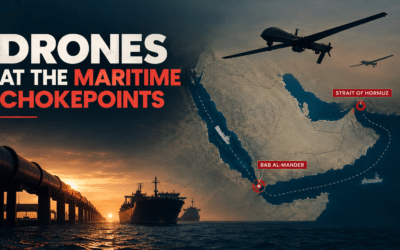
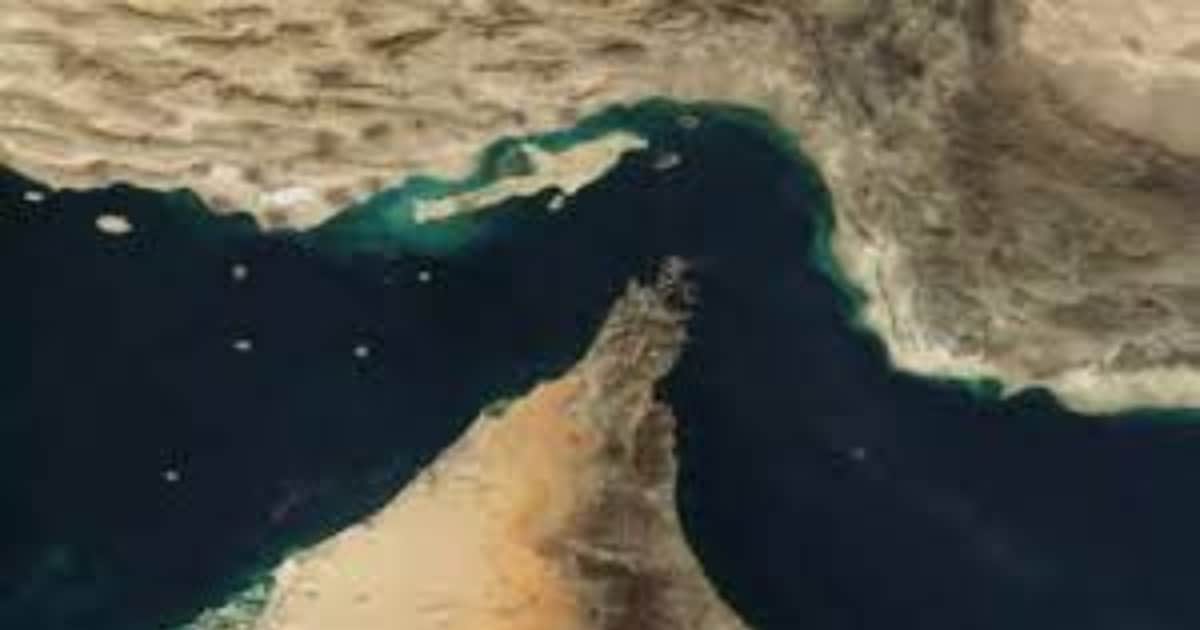
The strait, located between Iran and Oman, is one of the most geographically important corridors in the world, accounting for nearly a fifth of global oil shipments, as well as other important goods like fertilizers and industrial materials.
The proposal follows weeks of upheaval, with Iran limiting maritime traffic amid increasing conflict between Israel and the United States. Tehran has positioned the fee plan as a component of larger talks that could resolve hostilities and stabilize the region.
Iran turns Strait of Hormuz into a toll route: ships must clear IRGC-linked checks, pay ~$1/barrel (often in yuan/crypto), and get escorted passage.
Tankers could pay up to $2M per transit.
Pakistan may re-flag vessels to help bypass restrictions.
– Global Markets Investor pic.twitter.com/zUtDYwOxrG
— Public News X (@PublicNewsX) April 2, 2026
The move, however, brings about some complicated issues concerning international law at sea, specifically the concept of transit passage that generally provides ships with the right to transit freely in disputable chokepoints such as the Strait of Hormuz.
Analysts caution that the introduction of such charges might create an objectionable precedent, which may prompt other countries to impose a similar claim on major maritime routes. The implications for the energy markets of the world are immediate and great.
Any further expense and inconvenience in Hormuz would raise the cost of shipping, strain supply chains, and add further instability to already volatile oil markets.
Some observers think the proposal is a bargaining chip, not a long-term policy, but others warn that any immediate enforcement would put a strain on international relations and elicit retaliation by big naval powers that are determined to preserve freedom of navigation. With the ongoing diplomacy, the future of this offer will probably feature prominently in the course of the conflict and the stability of the global trading systems.
You May Like To Read: Pakistan Steers the World from Disaster: Trump and Pezeshkian Agree to Islamabad Summit
Check out our latest video: