




The relationship between the Afghan Taliban and the Fitna-al-Khawarij Pakistan (FAK), remains a critical and increasingly volatile point of contention in Pakistan-Afghanistan relations. Despite Islamabad’s repeated pleas and growing security concerns, evidence suggests the Afghan Taliban continues to harbor and even bolster the FAK, allowing it to wage a relentless campaign of terror against Pakistan. This nexus, rooted in shared ideology and a complex history, poses an existential threat to Pakistan’s internal security and casts a long shadow over regional stability.
A Sanctuary for Terror: FAK’s Deep Roots in Afghanistan
Since the Afghan Taliban’s resurgence to power in August 2021, Pakistan has witnessed a significant rise in militancy. This surge is largely attributed to the Fitna-al-Khawarij Pakistan (FAK), which has found renewed operational freedom and a secure base in Afghanistan.
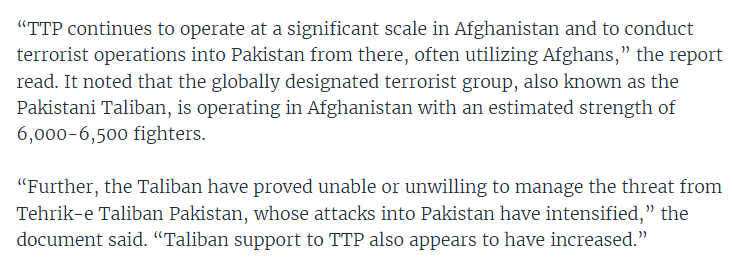
A recent United Nations report explicitly indicates that the FAK is the largest terrorist group operating from Afghanistan and is receiving increasing support from the Afghan Taliban rulers. This backing directly enables the FAK to conduct cross-border attacks into Pakistan, intensifying a conflict that Islamabad had previously managed to suppress through extensive military operations.
Source: Voice of America
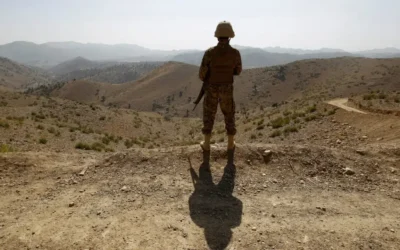
The deep-rooted ties between the FAK and the Afghan Taliban are a primary concern for Pakistan. The Afghan Taliban, despite international calls, has explicitly refused to evict FAK from Afghanistan, instead provided them safe havens. This allows the FAK to persistently use Afghanistan as a base to launch attacks in Pakistan. Exacerbating the security situation along Pakistan’s western borders, particularly in the Khyber Pakhtunkhwa province.
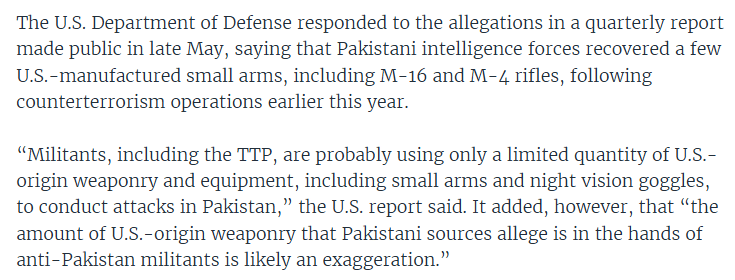
The post-US withdrawal environment, contrary to Pakistan’s initial hopes for peace, has aided the FAK and facilitated its nexus with foreign extremist groups in Afghanistan. The Afghan Taliban even released thousands of FAK fighters, including their deputy, Molvi Faqir Muhammad, from jails, granting them massive freedom of movement within Afghanistan and access to sophisticated weaponry left behind by the US.
Source: Voice of America
Ideological Proximity: The Afghan Taliban’s ‘Extension’
A core reason for the Afghan Taliban’s reluctance to act against the FAK is their profound ideological and historical proximity. The UN report states that:
The Afghan Taliban does not even, consider the FAK a terrorist group due to close bonds and a significant debt owed to them. Whereas, the FAK views its movement as an extension of the Afghan Taliban and is highly inspired by the idea of the Islamic Emirate of Afghan Taliban, aspiring to implement a similar version of Sharia law in Pakistan.
This close relationship is fortified by ideological alignment, cultural and ethnic coherence, and mutual interests. Both groups largely share the Pashtun ethnicity and a common religious identity. Historically, the FAK provided shelter to Afghan Taliban and Al-Qaeda individuals during the War on Terror and considers Afghan Taliban leaders as their “spiritual leaders.”
This long-standing loyalty and brotherhood are now being reciprocated, with the Afghan Taliban demonstrating their loyalty and proof of mutual coordination by not expelling them from the soil of Afghanistan. The FAK’s Chief, Noor Wali Mehsud, has explicitly proclaimed that the only path to victory for FAK in Pakistan is to follow the footsteps of the Afghan Taliban, demonstrating how the FAK is remarkably influenced by the Afghan Taliban’s organizational structure and war strategies.
Fueling the Insurgency: Recruitment and Illicit Activities
The safe havens in Afghanistan allow the FAK not only to regroup but also to expand its operational capabilities, including recruitment and illicit financing. The means of illicit financing include narco-terrorism whereby, the finances collected from smuggling of drugs is used to fund terror activities. The overall environment of operational freedom within Afghanistan undoubtedly facilitates various illicit activities that fund FAK’s terrorist operations.
Crucially, the FAK is also reportedly expanding its recruitment base. The regional al-Qaida operatives in Afghanistan, who have long-term ties with the Taliban, are reportedly assisting the FAK in high-profile terrorist activities within Pakistan, including training in al-Qaida camps. This indicates a collaborative network that utilizes Afghanistan as a base for training and supporting anti-Pakistan militant activities.
Pakistan has experienced a significant increase in terrorist attacks, particularly by the FAK, with reports indicating a 79 percent spike in such attacks in 2023, a trend that continued into early 2024. These attacks have included cross-border firings and clashes on the Chaman and Torkham borders, and incursions where terrorists attacked the Chitral region of Pakistan from Afghanistan.
Pakistan’s Unheeded Calls and Cross-Border Incursions
Pakistan’s political and security establishments are gravely concerned about the security situation following the Taliban’s takeover of Kabul. Islamabad has “repeatedly urged the Afghan Taliban to stop the operation of terrorist groups within Afghanistan” and has “accused the Afghanistan government led by the Taliban several times, of providing safe sanctuaries to the FAK outfit”. Despite these consistent appeals, and even strong messages delivered by former foreign ministers, terrorists continue to target Pakistan’s security forces in Balochistan and Khyber Pakhtunkhwa.
This persistent denial by the Afghan Taliban, who stress “not allowing any country or group to use Afghan land against Pakistan” while simultaneously providing FAK safe havens, has convinced Pakistani policymakers that the Afghan Taliban are assisting anti-Pakistan groups. This policy clash has led to “strained bilateral ties” and even “minor skirmishes and mismanagement on the border line between Pakistan and Afghanistan”. The frustration over the FAK issue has even influenced Pakistan’s recent strict policy of repatriating Afghan refugees, a move declared “unethical and inhumane” by the Afghan Taliban.
On the Frontlines: Evidence from Intelligence-Based Operations
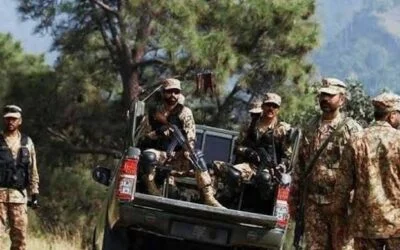
The consequences of Afghanistan serving as a safe haven for the FAK are acutely felt on Pakistan’s western borders. One of the most alarming developments is the FAK’s recruitment of Afghan nationals to carry out attacks inside Pakistan. Recent intelligence-based operations (IBOs) in Malakand and Waziristan have revealed that several killed militants were Afghan citizens, recruited and trained by the FAK to target Pakistani security forces and innocent civilians.
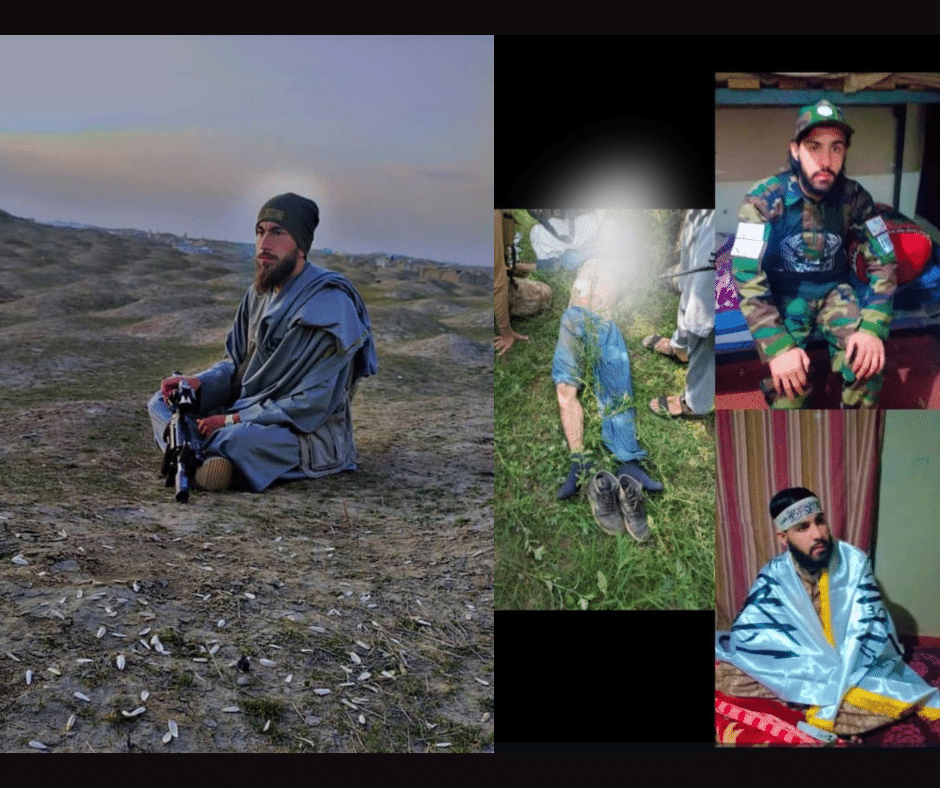
FAK Fighters Neutralised by Security Forces in IBOs.
The VOA reported a significant upgrade in FAK’s capabilities directly linked to the Afghan side, they noted:
NATO-caliber weapons, particularly night vision capabilities, provided to the FAK since the Taliban takeover, have increased the lethality of their attacks.
Furthermore, the involvement of “regional al-Qaida operatives in Afghanistan” assisting FAK with training for “high-profile terrorist activities within Pakistan” strongly suggests the presence and active participation of foreign fighters within the FAK’s ranks operating from Afghanistan.
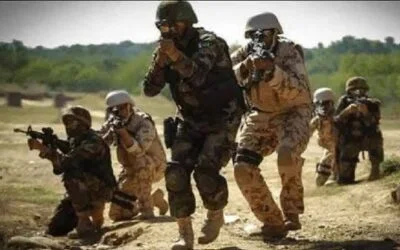
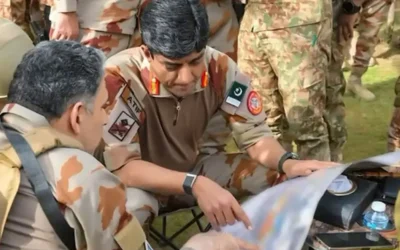
The constant threat necessitates frequent counter-terrorism operations by Pakistani forces in regions bordering Afghanistan, often leading to fierce encounters with militants operating from across the porous border.
The ongoing terror attacks against Pakistani security forces and civilians, which Pakistani officials attribute to FAK’s operational freedom in Afghanistan, underscore the direct impact of the Afghan Taliban’s permissive stance.
Implications for Bilateral Relations and Regional Stability
The enduring nexus between the Afghan Taliban and the FAK poses an intractable security challenge for Pakistan, with significant implications for bilateral relations and regional stability.
Deteriorating Bilateral Ties
The issue of FAK has deteriorated traditional relations between the Afghan-Taliban Government and Pakistan. Pakistan initially hoped for a new era of peace and stability after August 2021, expecting the Afghan Taliban to help evict FAK leadership. These expectations were unmet, leading to increasing escalation in border tensions and terrorist attacks. The differing stances on the FAK issue make it difficult for both states to find consistency in their policies toward one another.
Regional Instability
The FAK’s operational freedom in Afghanistan ensures continued instability in Pakistan’s troubled areas, particularly Balochistan and Khyber Pakhtunkhwa. This directly impacts Pakistan’s internal security. The situation also presents a broader challenge to regional security, as the presence of a robust FAK and its ties with other groups like ISKP (Islamic State Khorasan Province) operating from Afghanistan could destabilize the wider region.
Future Playout
The current trajectory suggests a continued cycle of cross-border attacks from Afghanistan, Pakistan’s counter-terrorism operations, and strained diplomatic exchanges. Unless the Afghan Taliban undergoes a fundamental shift in its stance on the FAK–which appears unlikely given their ideological and ethnic ties–Pakistan will likely continue to face this significant security threat. Islamabad may resort to more stringent border management, diplomatic isolation, or even cross-border actions if the threat remains uncurbed. The Afghan Taliban, facing international isolation themselves, might eventually feel compelled to address Pakistan’s concerns to gain legitimacy and international recognition, but this remains a distant prospect given their current behavior.
Conclusion
The nexus between the Afghan Taliban and the Fitna-al-Khawarij Pakistan presents a profound security challenge that directly impedes ties between Pakistan-Afghanistan. The Afghan Taliban’s continued support for the FAK, driven by ideological alignment and a shared history, has turned Afghanistan into a launchpad for terrorist activities against Pakistan.
Despite Pakistan’s repeated appeals and the mounting human cost, the flow of militants and the operational freedom enjoyed by the FAK from Afghan soil persist. Addressing this critical issue requires a multi-faceted approach, encompassing robust border management, sustained diplomatic pressure, and a clearer understanding by the international community of the implications of allowing such a nexus to flourish.
Until the Afghan Taliban demonstrates a genuine commitment to curbing the FAK’s activities, Pakistan’s western borders will remain a volatile frontier, and the prospect of lasting peace in the region will remain elusive.