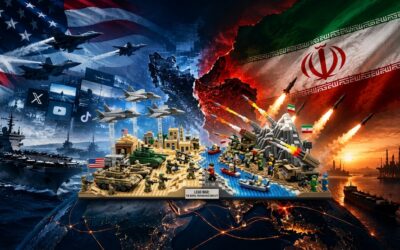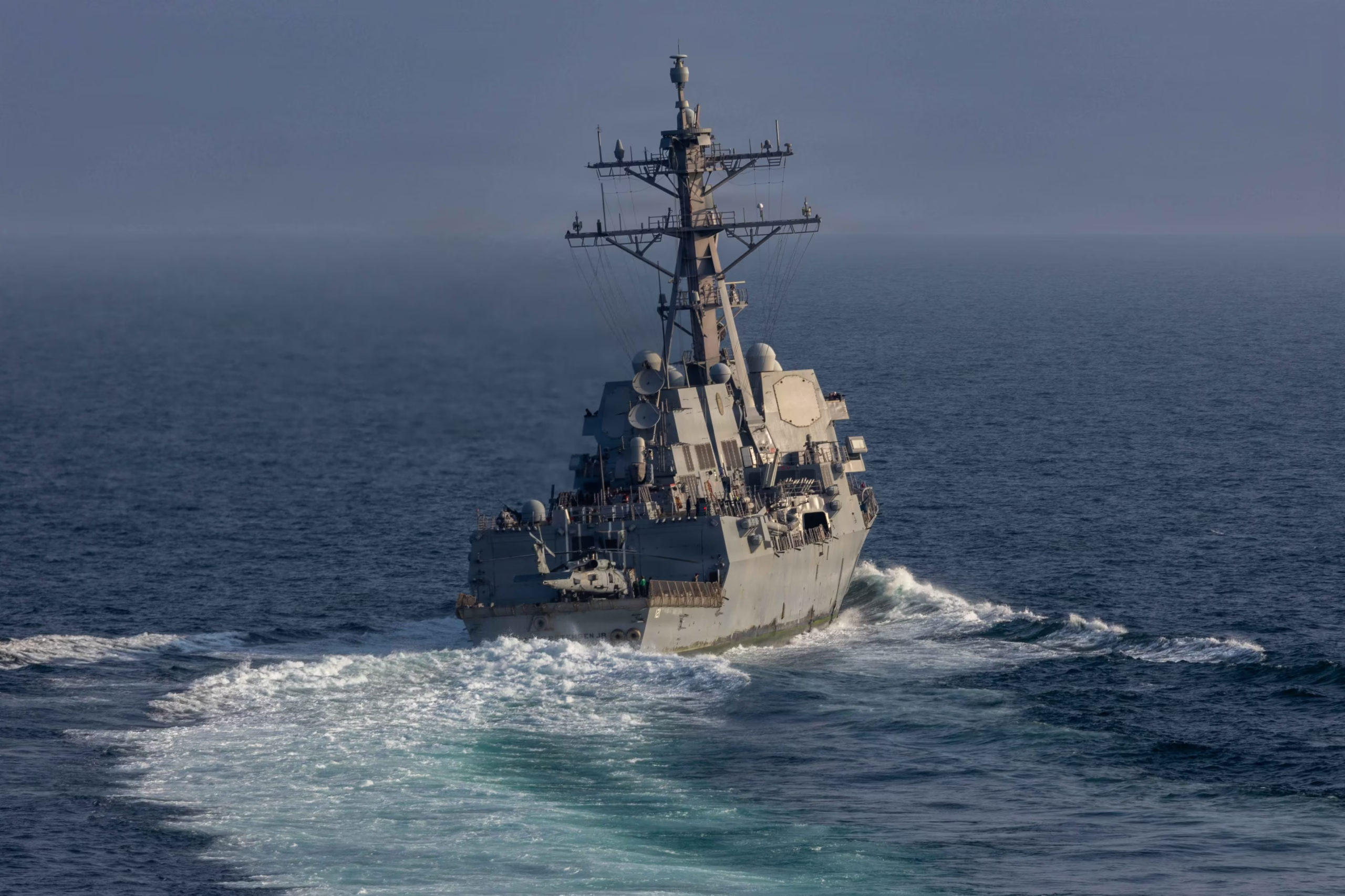





Several key NATO allies have refused to join US President Donald Trump’s naval blockade of the Strait of Hormuz, opting instead for a strictly defensive multinational mission once fighting ends.
The United States’ NATO allies say they would not get involved in President Trump’s plan to blockade the Strait of Hormuz, further ratcheting up tensions within the alliance
Follow our live coverage 👇https://t.co/engl6Ithuv pic.twitter.com/OybqRcu2Dv
— TRT World (@trtworld) April 13, 2026
British Prime Minister Keir Starmer made it clear on Monday that Britain would not be drawn into the conflict. “Whatever the pressure, we’re not getting dragged into the war,” he told the BBC. He emphasised that the UK’s focus is on safeguarding shipping and restoring freedom of navigation through diplomacy once the conflict subsides.
French President Emmanuel Macron announced that France and Britain will soon organise a conference with willing countries to establish a “peaceful multinational mission” aimed at restoring safe passage in the strait. Macron stressed that any such mission would be strictly defensive and separate from the warring parties.
NATO Secretary General Mark Rutte had earlier indicated that the alliance could potentially play a role in securing the strait, but several European nations have said they would only participate after a durable ceasefire and an agreement with Iran.
Turkish Foreign Minister Hakan Fidan also voiced concerns, saying the strait should be reopened through diplomacy rather than military force, and warned that creating an international force to oversee it would be complicated.
The US announced the blockade on Sunday after weekend talks in Islamabad failed to produce a breakthrough. The measure, which began on Monday, targets vessels entering or leaving Iranian ports, aiming to cut off roughly two million barrels of Iranian oil per day from global markets.
The diverging positions among NATO allies have added fresh strain to the transatlantic relationship, with Trump already threatening to pull US troops from Europe and criticising countries that denied airspace for strikes on Iran.
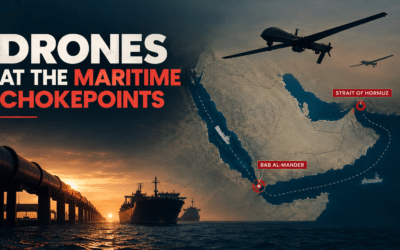
The Strait of Hormuz remains a critical global chokepoint, carrying about one-fifth of the world’s oil supply. Any prolonged disruption risks further spikes in energy prices and broader economic fallout.
NATO allies refuse Hormuz blockade, Starmer rejects US blockade, Macron multinational mission Hormuz, Britain France Hormuz mission, Trump Hormuz blockade NATO reaction, Keir Starmer Strait of Hormuz, European countries defensive mission Hormuz, UK not support US Iran blockade, Macron conference freedom of navigation, NATO strains with Trump, reopening Strait of Hormuz diplomacy