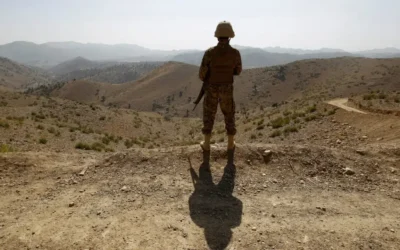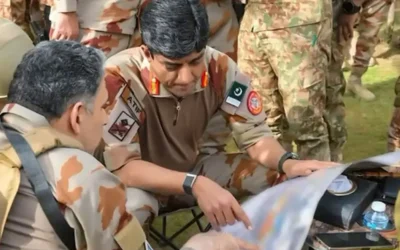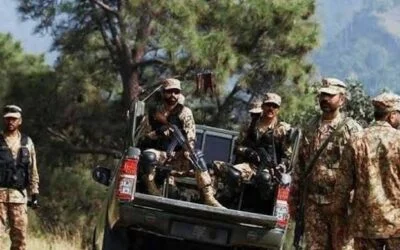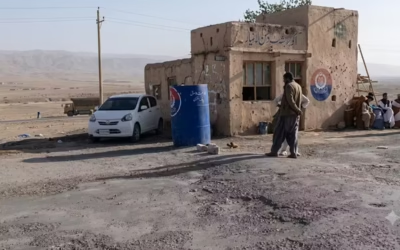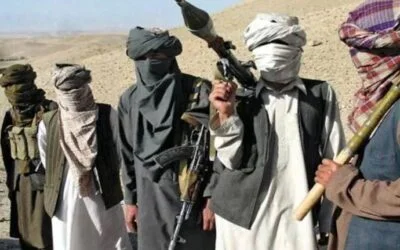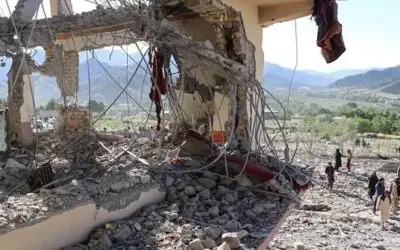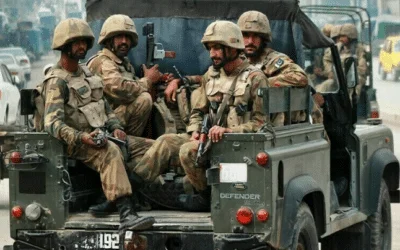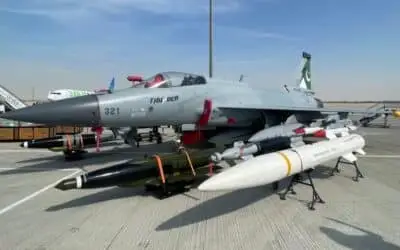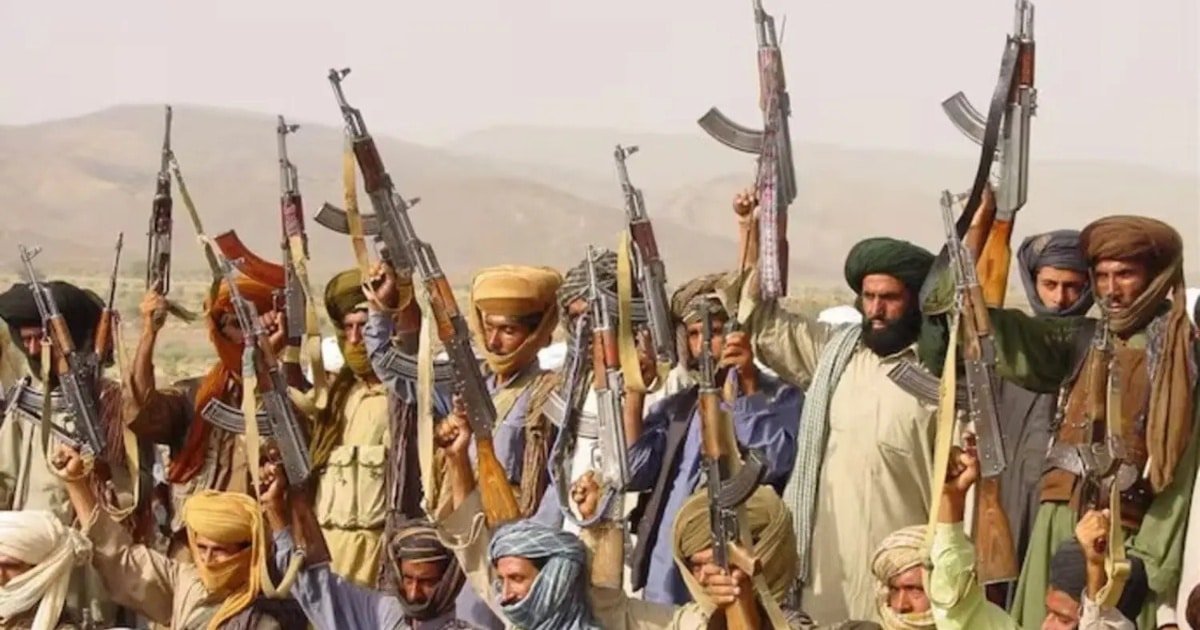



In recent years, Pakistan has witnessed a recurring pattern: militants from banned Baloch insurgent groups i.e., Fitna al Hindustan (FAH) and their various proxies such as the Balochistan Liberation Army (BLA), Baloch Republican Army (BRA), and Baloch Liberation Front (BLF) surrendering before state authorities and publicly confessing their involvement in violence. Often, these individuals allege direct links to Indian intelligence agency RAW, detailing training in safe havens abroad, funding pipelines, and operational directives targeting CPEC infrastructure and security personnel.
These confessions occupy a dual role in Pakistan’s counter-insurgency landscape. On one hand, they provide actionable intelligence for security operations. On the other, they serve as potent tools of psychological operations (psy-ops), reinforcing the state’s narrative that the insurgency is externally driven rather than rooted in purely domestic discontent. Understanding this dual function—between intelligence value and propaganda impact—is essential to assessing their broader significance.
Intelligence Value: From Testimony to Targeting
For intelligence agencies, surrendered militants represent a living archive. Unlike captured fighters who may be reluctant to cooperate, defectors often provide detailed insights into organizational structures, command hierarchies, funding mechanisms, and operational tactics.
- Mapping Networks: Confessions help identify cross-border routes allegedly used for training or funding, particularly in Afghanistan and Iran.
- Financial Flows: Militants frequently describe how funds were disbursed, whether through hawala networks, front businesses, or NGOs. Such information allows investigators to trace and disrupt financial pipelines.
- Operational Tactics: Insights into how insurgents select targets—especially CPEC-related assets—inform force protection measures for Chinese personnel and critical infrastructure.
This intelligence value is amplified when multiple testimonies converge on similar themes, creating corroborative patterns. For example, when several defectors claim they received support from RAW handlers, Pakistani agencies can build a composite picture of alleged Indian sponsorship, even if hard evidence remains classified.
You May Like To Read: The Kulbhushan Jadhav Echo: Enduring Relevance of Espionage Cases in Indian Proxy Warfare
The Psychological Operations Dimension
Beyond intelligence, these public confessions play a significant role in psychological and information warfare. By organizing press conferences, televised statements, and media coverage, Pakistan projects an image of insurgents renouncing violence and validating the state’s accusations of Indian involvement.
- Delegitimizing Insurgency: Public confessions undermine the image of separatists as fighting for indigenous rights, instead portraying them as mercenaries on a foreign payroll.
- Boosting Morale: For the security establishment, visible surrenders reinforce the perception that militant ranks are fracturing, demoralizing active insurgents.
- Domestic Legitimacy: Linking violence to India bolsters public support for counter-terror operations and reduces sympathy for insurgent narratives.
- International Messaging: On the global stage, such testimonies are presented as evidence in Pakistan’s diplomatic outreach, particularly in conversations with China and multilateral bodies.
This dual use—intelligence extraction and public display—illustrates how counter-insurgency is as much about managing perception as it is about eliminating armed threats.
Controversies, and Critical Assessment
However, the phenomenon of televised confessions also raises questions about credibility and overreliance on narrative framing.
- Risk of Over-Securitization: By focusing primarily on the “Indian proxy” angle, the state risks underplaying genuine local grievances in Balochistan—such as underdevelopment, political marginalization, and resource disputes.
- Human Rights Concerns: Critics argue that publicizing confessions risks blurring the line between voluntary testimony and coerced statements, especially when made in custody. This complicates the credibility of such narratives abroad.
- Propaganda Saturation: Overusing surrendered militants as a communication tool could lead to diminishing returns, with audiences becoming desensitized or skeptical.

Defection, and Reintegration Programs
The surrenders are also tied to defection and reintegration strategies. Pakistani authorities often pair confessions with offers of amnesty, rehabilitation, and economic incentives. Militants are promised vocational training, stipends, or reintegration into civilian life. From a counter-insurgency standpoint, this approach weakens insurgent cohesion by encouraging defections while simultaneously presenting the state as both firm and benevolent.
When paired with confessional testimony, reintegration programs serve a dual function:
- Operational: Extracting information and reducing the pool of active fighters.
- Symbolic: Showcasing that the state offers a path away from violence, thereby contrasting itself with the insurgents’ narrative of perpetual struggle.
The Broader Counter-Insurgency Strategy
The recurring spectacle of surrendered militants reflects a broader shift in Pakistan’s counter-insurgency doctrine. The fight in Balochistan is not only a kinetic battle but also a war of perception, where controlling the narrative is as important as controlling territory.
- Intelligence Integration: Testimonies are fed into operational databases, refining the state’s ability to predict and preempt attacks.
- Narrative Warfare: Public confessions reinforce the India-as-sponsor thesis, shaping how domestic and international audiences interpret the insurgency.
- Diplomatic Leverage: These accounts provide Islamabad with a basis for lodging complaints at the UN, FATF forums, and in bilateral engagements.
The confessions of surrendered militants from Baloch separatist outfits serve as both intelligence assets and propaganda tools. They provide actionable details on insurgent operations while simultaneously reinforcing Pakistan’s broader claim that Fitna-al-Hindustan [and their proxy groups like the BLA, BLF, and BRA] are not indigenous resistance movements but foreign-sponsored proxies, particularly linked to India’s RAW.
Yet the utility of these confessions must be balanced against questions of credibility, potential coercion, and the risk of over-reliance on external blame at the expense of addressing internal grievances. In counter-insurgency, perception management is indispensable, but it cannot substitute for inclusive political engagement and development.
Ultimately, the recurring phenomenon of surrendered militants illustrates the complex interplay between intelligence, propaganda, and governance in Pakistan’s struggle to secure Balochistan. The confessions may weaken insurgent legitimacy and bolster state narratives, but lasting stability will depend on whether Pakistan can simultaneously neutralize external threats and resolve internal fractures.
You May Like To Read: The “Islamic Emirate” Mirage: Why the FAK’s ‘Governance’ Breeds Chaos, Not Justice