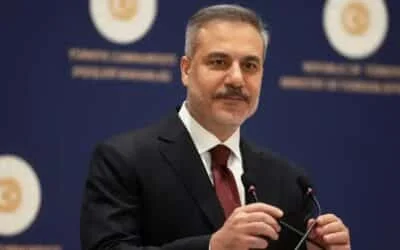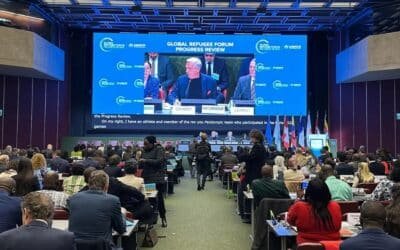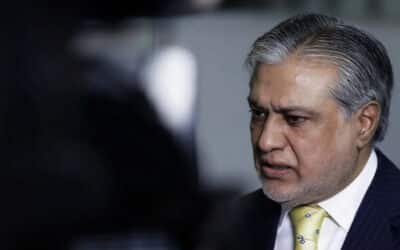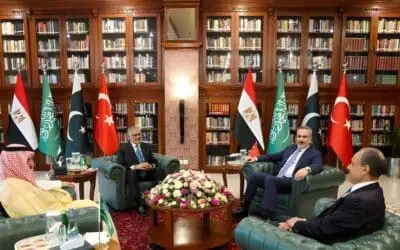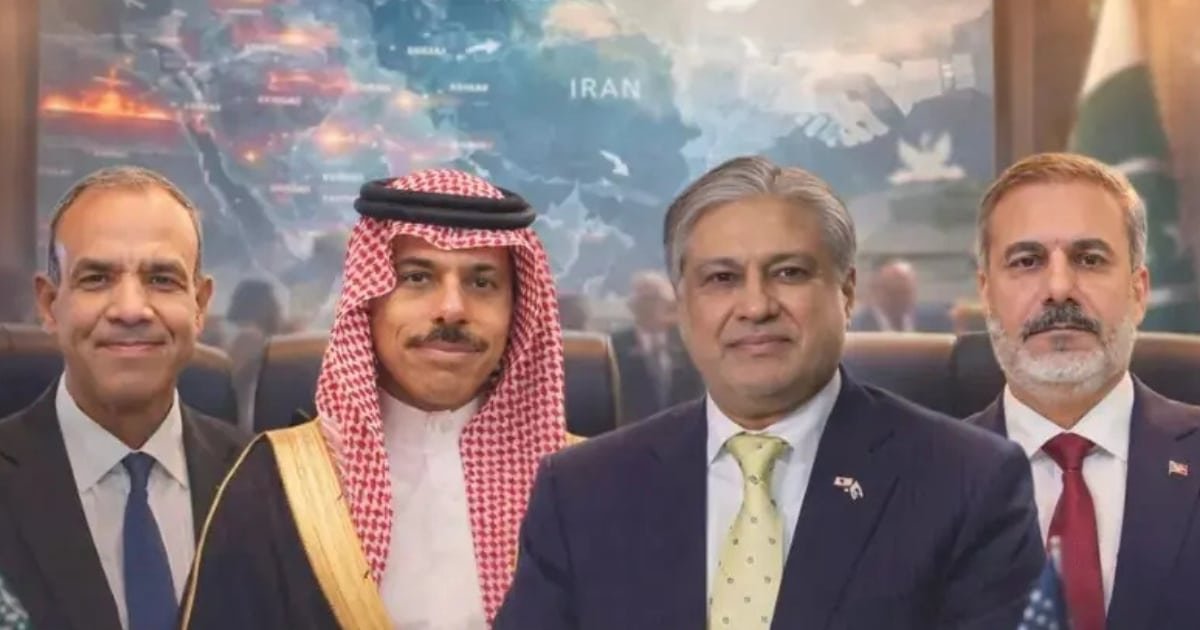





A significant diplomatic gathering in Islamabad has brought Egypt, Pakistan, Saudi Arabia, and Turkey into sharper alignment, signalling the emergence of a potentially influential four-nation bloc aimed at reshaping the balance of power in the Middle East. Convened at a moment of escalating tensions and deepening conflict involving Iran and Israel, the meeting reflects growing urgency among regional powers to prevent further destabilisation and avert a wider war with global consequences.
#WATCH: Pakistan hosted Saudi, Turkish and Egyptian FMs in Islamabad, signaling readiness to facilitate US‑Iran talks. Analysts and former diplomats say Islamabad’s outreach builds on a history of backchannel mediation, is driven by national security concerns, and boosts… pic.twitter.com/oXVkoWioUs
— Arab News Pakistan (@arabnewspk) March 30, 2026
While the quartet has previously coordinated informally, this latest summit marks a more structured and deliberate effort to establish a unified diplomatic front. Their immediate objective is to broker a ceasefire and reduce hostilities, particularly in light of recent attacks on critical infrastructure and fears of environmental and economic catastrophe in the Gulf.
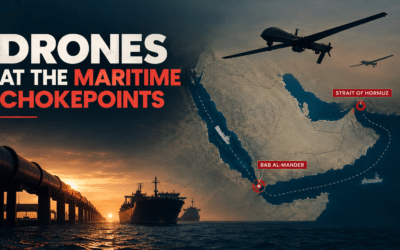
The agreement allowing limited Pakistani-flagged vessels to pass through the Strait of Hormuz represents a modest but meaningful step toward de-escalation.
Beyond crisis management, the bloc appears to be positioning itself as a central intermediary in negotiations involving Iran, potentially maintaining indirect communication channels between Tehran and global powers.
This evolving role underscores dissatisfaction with existing diplomatic mechanisms and reflects a broader desire among regional states to assert greater control over security outcomes.
Quad summit underway in Islamabad: Pakistan, Saudi, Turkey & Egypt FMs discuss de-escalating Iran conflict & US-Iran talks.
Pakistan pushes the mediation role.#IslamabadSummit #IranWar https://t.co/4r5Yw4wHAA pic.twitter.com/FuqJ1g8Egg
— Public News X (@PublicNewsX) March 29, 2026
The alliance is notable for its diverse membership and differing strategic interests, yet shared concerns about prolonged instability and unchecked dominance by Iran or Israel have created common ground.
As the group deepens coordination and expands engagement, its actions may shape not only the trajectory of the current conflict but also the longer-term geopolitical architecture of the Middle East.
You May Like To Read: Pakistan Leads Regional Push to Reopen Hormuz and Broker Iran Ceasefire
Check out our latest video: