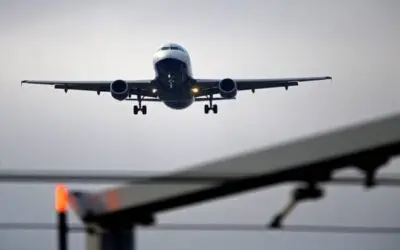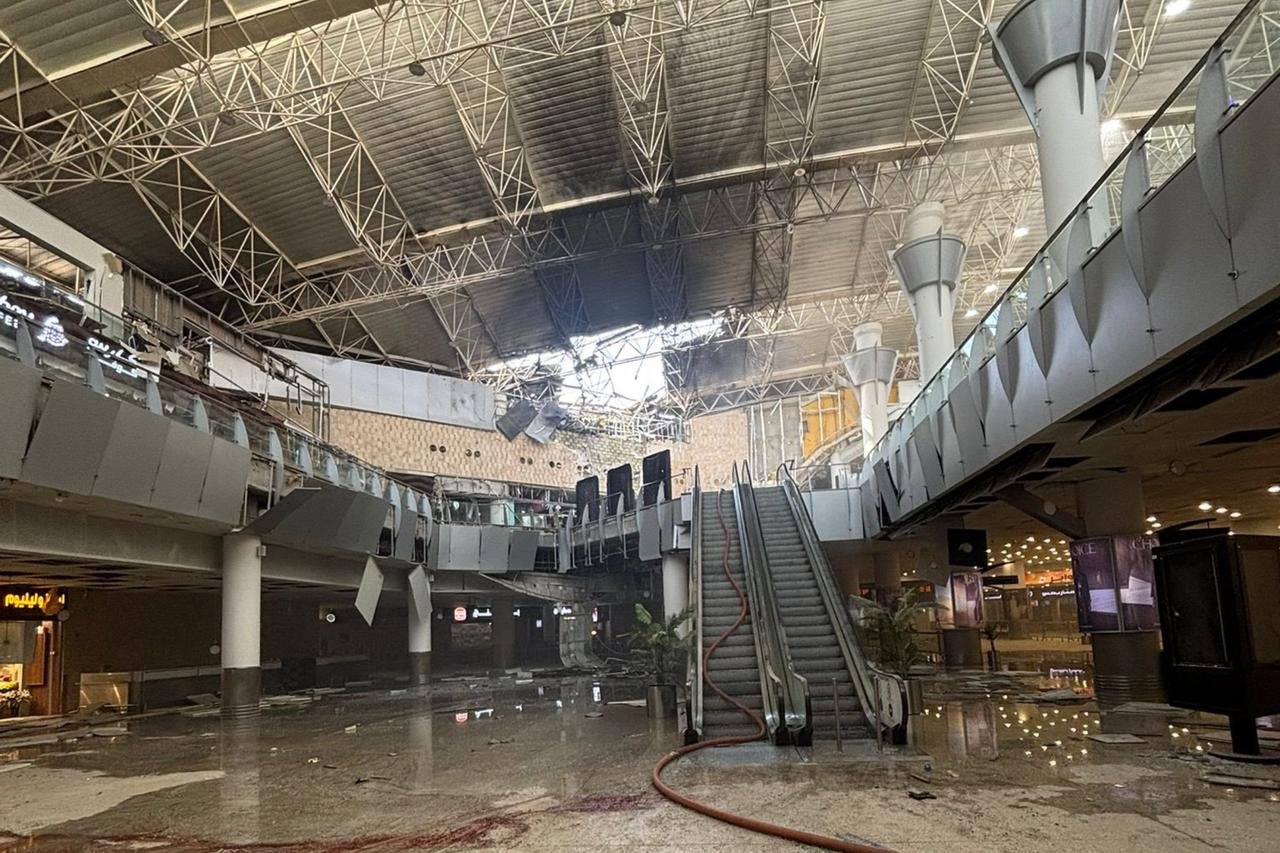


The volatile Middle East conflict escalated sharply on Wednesday as a devastating Iranian drone and missile attack struck Kuwait International Airport, forcing an immediate suspension and diversion of all flights. The latest surge in kinetic operations has sent global crude oil prices climbing more than 1%, deeply complicating the Trump administration’s efforts to finalize a tentative peace framework with Tehran.
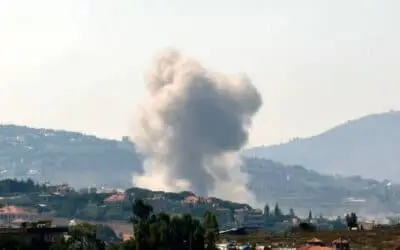
According to Kuwaiti state media and Ministry of Defense Spokesman Brigadier General Saud Abdulaziz Al-Atwan, an Iranian drone and missile strike directly impacted the airport’s T1 building, causing significant structural damage and multiple civilian injuries. General Al-Atwan formally condemned the strike as “criminal Iranian aggression.” Concurrently, the Islamic Revolutionary Guard Corps (IRGC) claimed it targeted the U.S. Navy’s Fifth Fleet headquarters in Bahrain, alongside a regional airbase and helicopter fleet.
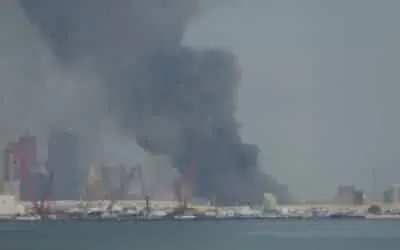
In rapid retaliation, U.S. Central Command (CENTCOM) announced that American forces shot down multiple Iranian drones threatening civilian maritime vessels and carried out targeted counter-strikes on Qeshm Island near the strategic Strait of Hormuz. CENTCOM added that several other Iranian ballistic missiles aimed at regional targets broke up in flight or were successfully intercepted before reaching Bahrain and American installations in Kuwait.
An additional wave of Iranian drones attempting to attack U.S. forces in Kuwait failed to impact intended targets tonight. U.S. Central Command air defenses successfully downed multiple drones and ensured no American personnel or assets were harmed.
— U.S. Central Command (@CENTCOM) June 3, 2026
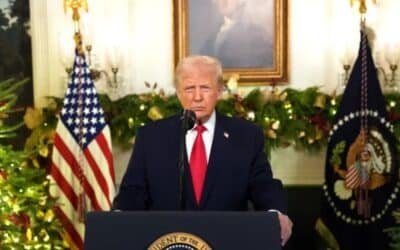
The flare-up underscores a widening diplomatic chasm. While Iranian state media reports that Tehran has frozen all diplomatic communications with Washington for several days, U.S. President Donald Trump publicly pushed back on social media, asserting: “The conversations between us have been going on continuously, including four days ago, three days ago, two days ago, one day ago, and today.”
— Rapid Response 47 (@RapidResponse47) June 2, 2026
Critical Analysis: Strategic Attrition, Chokepoint Economics, and the Nuclear Leverage Trap
The breakdown of the shaky, multi-front truce reveals critical structural vulnerabilities in the current U.S.-Iran-Israel conflict dynamics:
The Doctrine of Derivative Liability for Host Nations
Tehran’s explicit declaration that Kuwait and Bahrain bear “direct and clear responsibility” for American strikes marks a dangerous shift in the theater’s rules of engagement. Iran is actively operationalizing a doctrine of derivative liability, warning Gulf Cooperation Council (GCC) states that allowing U.S. forces to utilize domestic bases (such as Camp Arifjan or Naval Support Activity Bahrain) strips them of sovereign immunity. By striking Kuwait’s primary civilian airport terminal, the IRGC is attempting to break the Gulf states’ political will, signaling that the domestic economic and human cost of hosting the U.S. military will soon become untenable.
High-Stakes Maritime Attrition and Global Inflation
The escalation has immediately reverberated through global energy markets, forcing oil prices up by over 1%. With the Strait of Hormuz—previously responsible for a fifth of global oil and liquefied natural gas (LNG) traffic—largely closed since the war erupted on February 28, the economic landscape has evolved into a war of attrition:
-
The U.S. Strategy: Enforcing a rigorous naval blockade on Iranian ports to starve the regime of crude export revenues and force a comprehensive nuclear surrender.
-
The Iranian Counter-Strategy: Conducting asymmetric kinetic strikes—such as the missile attack on the commercial vessel Panaya—to prove that if Iran cannot export oil, no regional actor will safely transit the Gulf.
The Rubio-Trump Strategic Disconnect on Nuclear Diplomacy
The current flare-up exposes an underlying friction within the U.S. executive and legislative branches regarding the parameters of a final peace deal. U.S. Secretary of State Marco Rubio informed lawmakers that Washington would grant sanctions relief only if Iran agrees to completely dismantle its nuclear architecture, declaring definitively that “the war is over.” However, President Trump’s rapid-fire personal diplomacy tells a different story. Trump’s top priority remains preventing Iran from acquiring a nuclear weapon, a benchmark that implies a willingness to accept a freeze on enrichment rather than the total dismantlement Rubio demands. Tehran is exploiting this policy mismatch, using tactical military leverage in the Gulf to pressure Trump into lifting the naval blockade and granting oil revenue waivers without forcing them to completely surrender their atomic program.
The Lebanon Spoiler and Ceasefire Fragmentation
The hostilities in the Gulf remain inextricably linked to the Levantine theater. Despite a U.S.-mediated partial ceasefire unveiled on Monday, the Israeli military has maintained intense ground operations and drone sorties over Beirut and southern Lebanese towns.
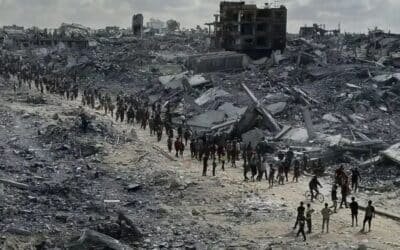
This ongoing campaign has displaced 1.2 million Lebanese civilians and forced Hezbollah to sustain deep-tier rocket fire into Israel. Because Tehran views the “Axis of Resistance” as a single defensive front, a localized ceasefire in the Gulf is a geopolitical impossibility so long as Israel pursues its deepest military incursion into Lebanon in 25 years. Iran will continue to use the threat of a wider Gulf war to force Washington to restrain its primary ally in the Levant.