


Ceasefire Terms and the Immediate Trade-offs
The ceasefire that brought a halt to two years of intense fighting in Gaza rests on a narrow, transactional framework: a cessation of large-scale Israeli military operations in exchange for the phased return of hostages, the release of thousands of Palestinian detainees, and a ramp-up of humanitarian aid into the Strip. Israel’s cabinet formally ratified the deal and moved to transfer prisoners ahead of planned releases, while Hamas agreed to begin releasing hostages within a set timetable. The package foresees hundreds of trucks of aid entering Gaza and a temporary pause that both sides describe as a step toward safer conditions on the ground.
You May Like to Read: U.S. to Deploy 200 Troops to Israel to Support Gaza Ceasefire Monitoring and Humanitarian Coordination
Who Gained and Who Lost; a cautious ledger
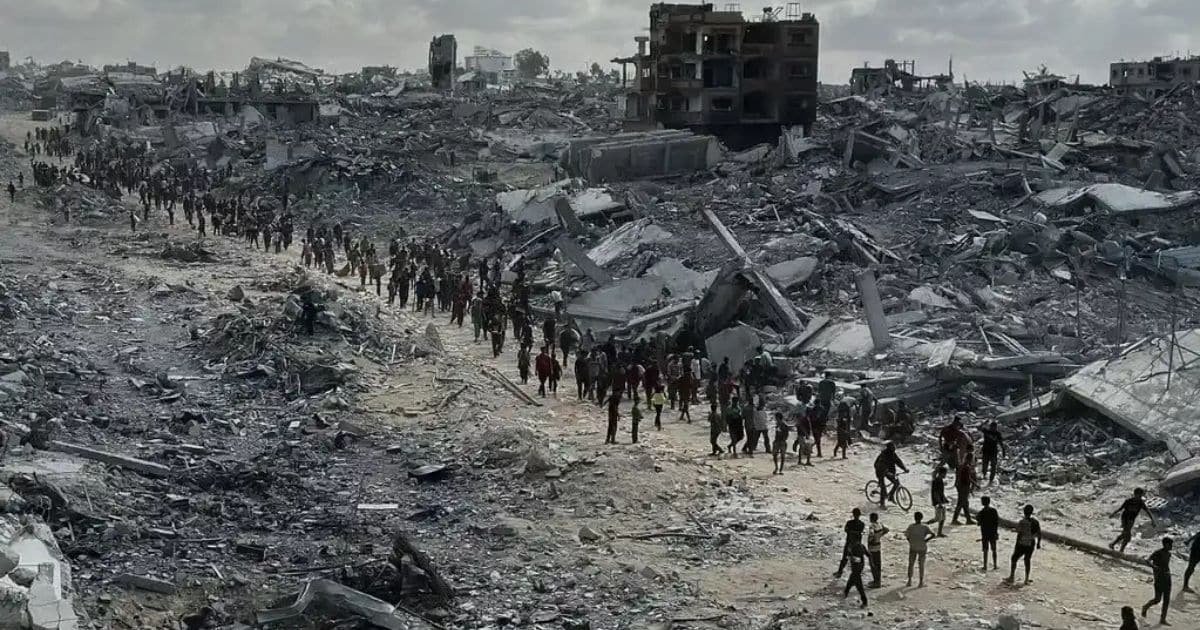
Assessing winners and losers is complicated. Israel can claim a major objective: the return of many hostages and a pause that allows for the degradation of militant infrastructure without an immediate political settlement that cedes territory or governance. Hamas, despite battlefield losses and devastation across Gaza, achieved the central diplomatic victory of surviving as a governing presence and securing prisoner releases that bolster its political standing at home. Civilians in Gaza, however, are unfortunately the clear victims: infrastructure lies in ruins, thousands remain displaced, and basic services are catastrophically short. The ceasefire buys breathing room, but it does not resolve the deep asymmetry that produced the war.
You May Like to Read: The Weaponization of Human Rights: How Global Powers Selectively Invoke International Law Against Adversaries
The Role of Regional Brokers: Egypt, Qatar, Iran and Turkey
Regional players shaped both the mechanics and messaging of the deal. Egypt hosted and facilitated negotiations while insisting on border security and controls that protect its Sinai frontier; Cairo’s posture was one of cautious mediation aimed at preventing a wider spillover. Qatar used its long-standing channels to shuttle messages, mediate terms and press for humanitarian access, continuing the pragmatic diplomacy it has cultivated with all parties.
Turkey, loudly critical of Israeli policies, nonetheless positioned itself as a political backer of Palestinian rights and a participant in post-ceasefire guarantees. Iran, while not a direct negotiator on the ceasefire, remains an influential external patron whose posture toward militant groups and regional proxies shapes calculations in Tehran, Jerusalem and capitals across the Arab world. This quartet of actors helped convert battlefield exhaustion into a negotiated pause, each for its own strategic reasons.
You May Like to Read: World Leaders Gather in Egypt as Trump-Brokered Gaza Peace Deal Nears Signing
Washington’s Changing Stance and its Implications
The United States re-emerged as an unmistakable broker in the final phase, deploying a small military task force to the region to “oversee” aspects of the truce and using its leverage to cajole partners toward a compromise. That active U.S. role, including public diplomacy and shuttle diplomacy by senior officials, marked a shift from earlier ambivalence and signalled Washington’s view that stabilizing Gaza serves wider regional security interests. The U.S. posture also underscored an uncomfortable reality: U.S. influence can craft a ceasefire, but it cannot alone guarantee long-term political solutions on the ground. Domestic politics in Washington and differing priorities among regional allies will continue to complicate sustained U.S. engagement.
You May Like to Read: Gaza Deal Sparks Hope and Uncertainty Amid Trump’s “New Middle East” Plan
Humanitarian Relief versus Access Constraints
Promises of “hundreds of trucks per day” and scaled humanitarian effort clash with on-the-ground bottlenecks. Key crossings remain tightly controlled, and Israel has tied the opening of some access points to progress on hostage returns and security guarantees. International aid agencies are clear: a ceasefire without immediate, guaranteed, and sustained access for reconstruction materials and civilian supplies will be insufficient to prevent a slow-moving humanitarian catastrophe. For ordinary Gazans, the arrival of trucks will matter little if rubble removal, water, electricity and medical services are not restored at scale.
Security Landscape; Short-term Calm, Long-term Uncertainty
The ceasefire reduces the immediate risk of large-scale exchange of fire, but it is not a peace agreement. Core questions remain unanswered: the future governance of Gaza, the disarmament or reintegration of militant groups, and a political horizon for Palestinian statehood. The suspension of active combat could entrench a status quo in which periodic flare-ups, proxy tensions in Lebanon and Syria, and political competition in Jerusalem and Ramallah keep the region volatile. External actors may seek to lock-in gains, but without a viable political track, the pause risks becoming merely a strategic intermission.
Concluding: What Pakistan’s readers should note
For Pakistanis watching from afar, the ceasefire is both a humanitarian reprieve and a reminder of how regional diplomacy matters. The international architecture that produced this pause — Arab mediators, global powers, and local actors, shows that no single actor can impose a lasting settlement. Pakistan’s longstanding rhetorical support for the Palestinian cause aligns with many observers’ calls now: urgent humanitarian assistance, diplomatic pressure for sustainable arrangements that uphold Palestinian rights, and regional diplomacy aimed at preventing spillover. The ceasefire offers an opening; whether it becomes a foundation for recovery and political progress, or merely another interval before renewed hostilities, will depend on whether the international community follows words with durable, concrete action.