




Kuwait has officially ratified a wide-ranging defense cooperation agreement with Pakistan, giving full legal effect to a bilateral military framework aimed at expanding institutional coordination between the two armed forces.
The formalization—enacted via a decree-law published in Kuwait’s official gazette, Kuwait Alyawm—ratifies the original accord signed in Kuwait on June 11, 2023. The move establishes a structured, multi-year mechanism for long-term strategic collaboration rather than ad-hoc military exchanges.
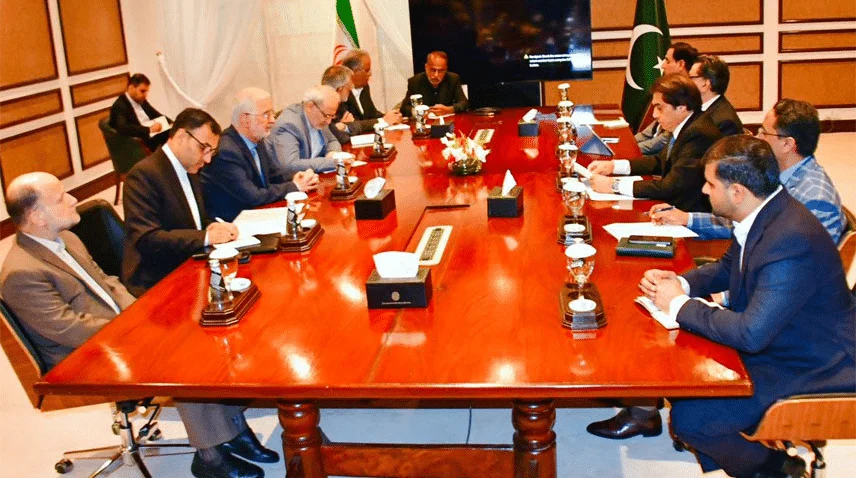
#Iran reaffirms commitment to further expand cooperation with #Pakistan in the fields of railways, trade, border connectivity, security and economic development@PakrailPK @PakinIran @IraninIslamabad #RadioPakistan #newshttps://t.co/70WH6TZYMs pic.twitter.com/8K0Ul7gVVn
— Radio Pakistan (@RadioPakistan) July 22, 2026
Operational Architecture of the Defense Pact
The newly promulgated legal framework creates institutional protocols governing military collaboration across multiple operational domains:
Kuwait-Pakistan Defense Cooperation Pillars:
- Joint Oversight: Annual Joint Military Committee headed by defense ministry appointees
- Core Domains: Training, intelligence sharing, logistics, & technological exchange
- Information Security: Strict non-disclosure mandates protecting classified documents
- Funding Framework: Reciprocal cost-sharing for official delegations & emergency care.
Key Elements of the Decree-Law
-
Structured Oversight: A Joint Military Committee co-chaired by senior officials designated by both defense ministries will meet annually to manage executive protocols, review joint programs, and expand cooperation.
-
Broad Operational Scope: The agreement covers joint military training and education, intelligence sharing, technical expert exchanges, logistics, and joint defense technology research.
-
Information Security & Legal Autonomy: Both nations are legally bound to protect classified materials from third-party disclosure. The pact remains separate from other international commitments and specifies that any operational disputes will be resolved amicably through direct bilateral consultations without third-party arbitration.
Strategic Analysis: Regional Diversification and Military Synergy
The formalization of defense ties between Kuwait and Pakistan reflects evolving regional security dynamics across the Gulf:
Diversification of Security Partnerships in the Gulf
While Kuwait maintains its foundational security alliance with the United States, recent maritime disruptions and aerial threats across Middle Eastern transit corridors have prompted Gulf states to broaden their strategic networks. Ratifying this agreement with Pakistan allows Kuwait to enhance its national defense capabilities through flexible, non-exclusive military partnerships that complement its existing security architecture.
Capitalizing on Conventional and Counter-Terrorism Expertise
For Kuwait, expanding institutional ties with Pakistan provides access to one of the largest, most battle-tested military forces in the Muslim world. Pakistan’s extensive operational experience in counter-terrorism, air defense integration, asymmetric warfare, and intelligence collection offers Kuwait valuable technical expertise to strengthen its critical infrastructure protection—including energy facilities, ports, and maritime export routes.
Institutionalizing Long-Standing Gulf Defense Footprints
Pakistan has historically maintained strong military training and advisory footprints across Gulf Cooperation Council (GCC) member states. Following Pakistan’s September 2025 mutual defense pact with Saudi Arabia, Kuwait’s formal legal ratification institutionalizes its own military exchanges with Islamabad into a predictable, annual framework—reinforcing Pakistan’s role as a cornerstone of Gulf security and military capacity-building.