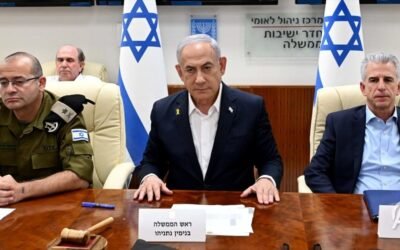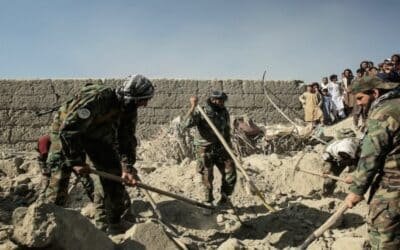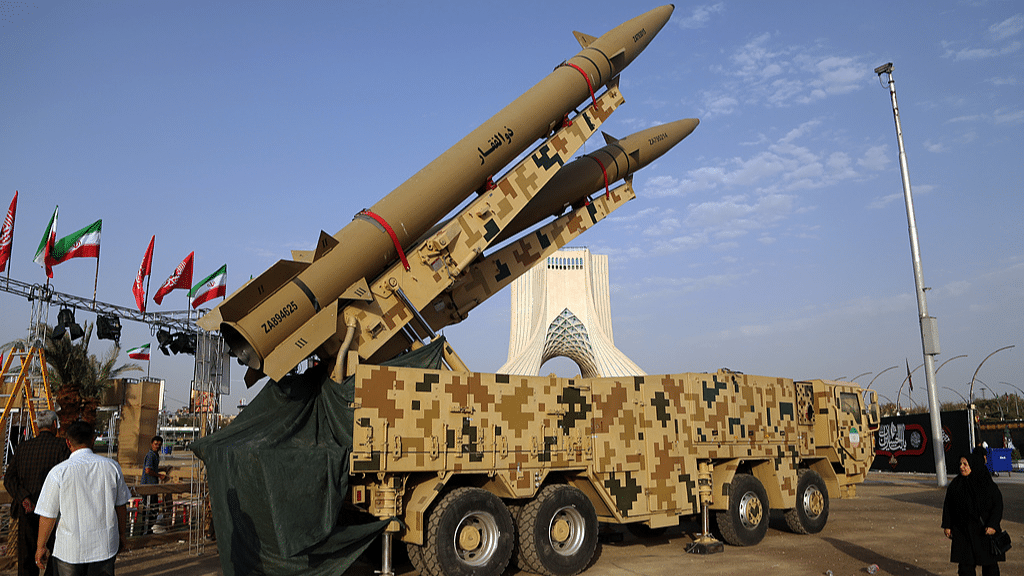



Following 13 consecutive nights of escalating US airstrikes across Iran and reciprocal Iranian missile strikes targeting American facilities in neighboring states, the Pentagon has abruptly suspended its bombing campaign. The tactical pause—confirmed by both Washington and Tehran—opens a crucial diplomatic window for regional mediators seeking to halt the expanding Middle Eastern conflict.
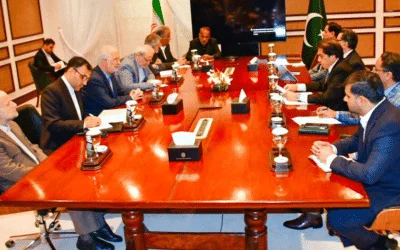
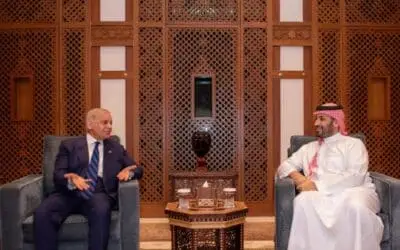
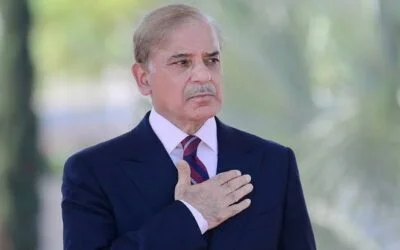
Diplomatic sources indicate that Pakistan, operating alongside key regional partners including Qatar, Turkey, and Saudi Arabia, played an active role in facilitating backchannel communications that created the conditions for this operational pause.
The Backchannel
The suspension of kinetic operations follows intense, multi-tiered diplomatic engagements across key regional capitals:
-
Pakistan’s Direct Channels: Islamabad maintained active diplomatic links with Tehran, Washington, Riyadh, and Beijing throughout the 13-day escalation. Pakistani officials engaged US policymakers and regional counterparts to emphasize that dialogue remains the only viable mechanism to prevent a total regional war.
-
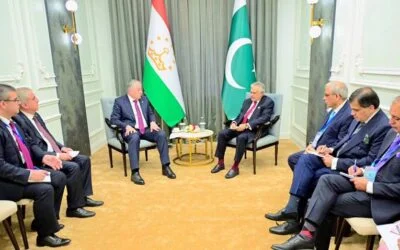
Trilateral Synchronization: Turkish Foreign Minister Hakan Fidan held high-level coordination calls with Qatari Prime Minister Mohammed bin Abdulrahman Al Thani and Pakistan’s Chief of Defence Forces, Field Marshal Asim Munir.
-
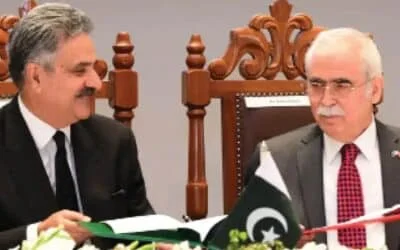
Joint De-escalation Formula: Building on previous initiatives—including the June Islamabad Memorandum—mediators in Islamabad and Doha presented a joint proposal urging both the US and Iran to halt strikes and return to their pre-July 9 positions as a preliminary step to revive formal negotiations.
-
Reciprocal Halting of Strikes: Following the US decision to suspend aerial bombardments, Iranian military spokesman Mohammad Akraminia confirmed that Tehran had halted its retaliatory strikes on US regional installations.
Operational Factors Behind Bombing Suspension
US officials and strategic analysts point to a combination of diplomatic maneuvering, tactical limitations, and internal military reviews for President Donald Trump’s decision to pause the campaign:
Key Factors Driving the Airstrike Suspension:
- Diplomatic Window: US UN Ambassador Mike Waltz confirmed Trump paused strikes to “make room for talks.”
- Ordnance Depletion: NYT & CNN report severe drawdown of Patriot air defense interceptors protecting US bases.
- Military Assessment: CENTCOM Commander Admiral Brad Cooper advised that strikes had reached strategic utility limits.
- Strategic Risks: Mounting pressure from vulnerable Gulf allies and risk of severe global economic shocks.
While US forces remain deployed in the region, the White House opted to test the mediation framework developed by Pakistani and Qatari negotiators to evaluate Tehran’s readiness for a structured ceasefire.
Strategic Analysis: Pakistan’s Middle-Power Mediation Calculus
The diplomatic breakthrough halting the latest iteration of the US-Iran war underscores Pakistan’s evolving role as a pivotal diplomatic bridge in Middle Eastern security dynamics:
Institutionalizing the Islamabad Memorandum Framework
Pakistan’s central role in facilitating the temporary pause builds directly on its previous mediation achievements, such as drafting the Islamabad Memorandum. By leveraging functional relationships with both the US administration and Iranian political-military leadership, Islamabad has established itself as an indispensable communication conduit during acute escalation cycles.
Protecting Critical Economic and Energy Arteries
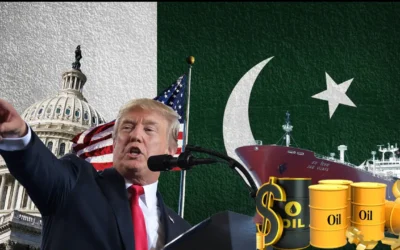
For Pakistan, stabilizing the US-Iran confrontation is an economic imperative. Prolonged hostilities along the Persian Gulf directly threaten energy imports and commercial shipping through the Strait of Hormuz. By coordinating with Qatar, Turkey, and Saudi Arabia, Pakistan is actively working to prevent maritime blockades that trigger inflationary spikes across South Asia.
Balancing Cross-Border Security and Regional Neutrality
Navigating relations between Washington, Tehran, and Riyadh requires a careful balancing act. Even as Pakistan shares a long, complex border with Iran—marked by security challenges involving cross-border militancy—it maintains a strategic defense relationship with Saudi Arabia and active diplomatic engagement with Washington. Successfully brokering a pause in hostilities reinforces Pakistan’s posture of strategic neutrality while elevating its standing among regional powers.