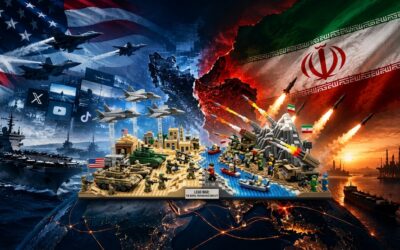





The Pakistani Foreign Office, in a synchronized diplomatic rollout with the Qatari Ministry of Foreign Affairs, announced the successful conclusion of intensive, indirect technical negotiations between the United States and Iran in Doha. This crucial round of mediation has yielded “positive progress” on the operational mechanics of the Islamabad Memorandum of Understanding (MoU), marking a significant step forward since the framework was initialized at the Lucerne Summit in Switzerland.
The joint mediation efforts have successfully locked in an immediate stabilization roadmap, with both Washington and Tehran agreeing to a formalized recess. The diplomatic track will officially resume following the state funeral processions for the late Iranian Supreme Leader Ayatollah Ali Khamenei, who was assassinated on the opening day of the conflict and is scheduled to be laid to rest on July 9.
PR No. 160/2026
Qatari and Pakistani Mediatiors Meetings with the US and Iranian Negotiations in Doha Today
🔗⬇️ pic.twitter.com/BXTW9RgiLY
— Ministry of Foreign Affairs – Pakistan (@ForeignOfficePk) July 2, 2026
Technical Consolidation vs. Washington’s Political Narrative
The two-day session in Doha exposed a sharp divergence between the high-decibel political claims emerging from the White House and the actual operational focus of the Pakistani and Qatari mediators. While U.S. President Donald Trump publicly declared to reporters that the “denuclearisation of Iran is moving along well,” high-level diplomatic sources confirmed that the strategic nuclear file was not even placed on the Doha agenda. U.S. Vice President JD Vance later walked back the administration’s timeline, conceding that the nuclear issue remains a future agenda item that negotiators will “start talking about” only after the immediate foundational terms of the truce are fully stabilized.
Qatar & Pakistan mediators concluded separate meetings with the US & Iranian negotiators in Doha today, with positive progress made on issues related to the Islamabad Memorandum of Understanding, building on the outcomes of the Lake Lucerne Summit. The parties agreed to continue…
— د. ماجد محمد الأنصاري Dr. Majed Al Ansari (@majedalansari) July 1, 2026
Instead, the Doha negotiations focused strictly on the highly critical, technical friction points that threaten the day-to-day survival of the 60-day interim ceasefire:
1. The Verification and De-escalation Channel
In a major operational breakthrough designed to prevent a accidental return to total war, the negotiating teams finalized the establishment of a direct, real-time communication channel. According to Iranian Deputy Foreign Minister Kazem Gharibabadi, this mechanism will go live immediately to report, record, and verify any tactical violations of the Islamabad MoU along active frontlines. By setting up this direct hotline under Pakistani and Qatari oversight, the mediators have effectively stripped local commanders of the ability to trigger unauthorized escalations.
2. The Mechanics of Hormuz and Immediate Asset Liquidity
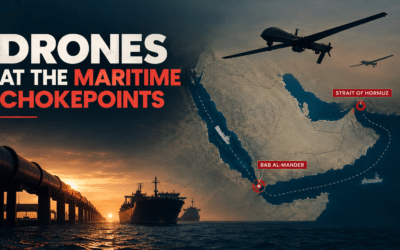
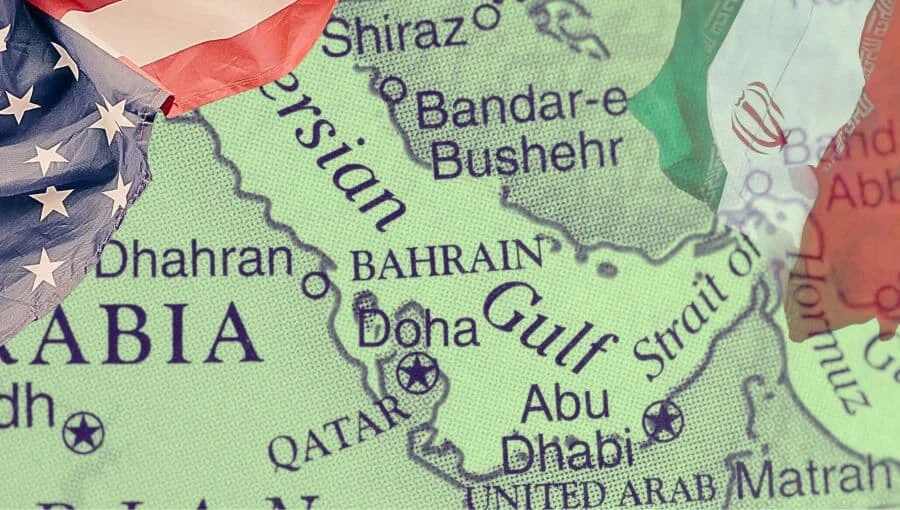
The core of the discussions centered on the physical reopening of the blockaded Strait of Hormuz and the immediate release of Iran’s frozen financial reserves. Rather than waiting for a comprehensive global treaty, Pakistan and Qatar successfully brokered an operational agreement with the Qatari Central Bank. This mechanism authorizes Tehran to immediately begin drawing down its initial 6 billion dollar frozen asset fund held in Doha to purchase essential humanitarian goods, providing Iran with an immediate economic incentive to keep the strategic maritime corridor open to international oil traffic.
Conclusion: The Resiliency of Pakistan’s Diplomatic Architecture
The positive momentum achieved in Doha proves the strategic value and resilience of the Islamabad MoU as a viable conflict-resolution framework. By forcing both superpowers to table abstract geopolitical demands in favor of concrete economic and maritime guarantees, the Pakistani-Qatari mediatory alliance has prevented the Lucerne truce from collapsing into an early stalemate.
As Iran enters its official period of mourning for its late Supreme Leader, the diplomatic architecture crafted on Pakistani soil remains the only functional mechanism preventing a return to all-out war in the Middle East. The upcoming post-funeral sessions will serve as the ultimate test of whether this technical progress can successfully be translated into a permanent, legally binding regional peace.